🇮🇹 Welcome to Venice
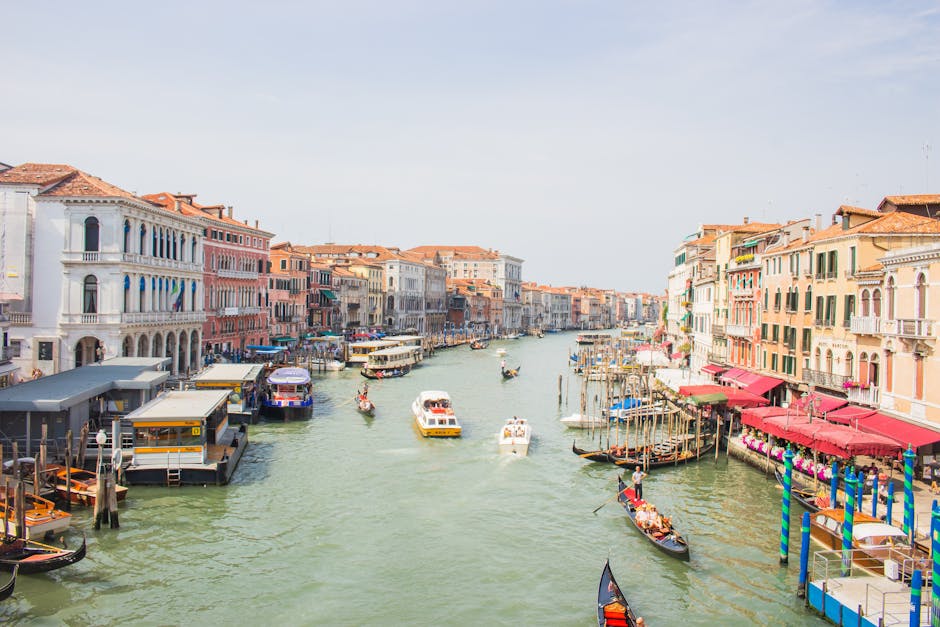
Venice is impossible. Built on 118 islands in a lagoon, connected by 400 bridges over 150 canals, without a single car or modern street, it shouldn't exist—and yet it has survived for 1,600 years as one of humanity's most improbable and beautiful creations. The Venetian Republic dominated Mediterranean trade for centuries, accumulating the wealth that built the Doge's Palace, St. Mark's Basilica, and the palazzos lining the Grand Canal. Today 50,000 residents share this fragile city with 30 million annual tourists—a ratio that creates both magic and madness. Yes, it's crowded. Yes, it's expensive. Yes, the cruise ships and selfie sticks can overwhelm. But wander off the main paths, lose yourself in the maze of alleys (everyone does), stumble upon a quiet campo (square) with a neighborhood bar, and you'll understand why Venice remains essential. There is simply no other place on Earth where you can watch sunrise over Byzantine domes reflected in canals while church bells echo across the water. Get lost. It's the point.
Understanding Venice
Venice's geography is its character. No cars, no bicycles, no wheeled transport—only feet and boats have moved through this city for 1,600 years. This creates a different rhythm: walking is the only option, getting lost is inevitable, and the constant presence of water alters everything from architecture to psychology. The city was built by refugees fleeing barbarian invasions who found safety in the lagoon's marshes. They drove wooden piles into the mud, built platforms, and created a maritime republic that controlled trade between East and West for 500 years. The wealth shows everywhere: Byzantine mosaics in St. Mark's, Gothic palaces on the Grand Canal, Renaissance paintings in every church. Venice declined after losing trade routes to the Portuguese and fell to Napoleon in 1797, ending over 1,000 years of independence. Today it faces existential threats: flooding (acqua alta), cruise ship damage, and population collapse as residents flee tourism's impact. Visit with awareness—stay overnight (day-trippers overwhelm), spend money locally, respect that people live here. The Venice that survives depends on thoughtful tourism.
⚡ Essential Venice Tips
• Get lost on purpose. The maze is the experience. GPS helps when needed, but wandering without direction reveals the real Venice—hidden campos, local bars, washing lines over canals.
• Stay overnight if at all possible. Day-trippers overwhelm the city 10am-6pm. Early morning (before 9am) and evening (after 7pm) are magical—empty squares, golden light, and locals reclaiming their city.
• Vaporetto (water bus) tickets cost €9.50 single. Get a pass: €25/24hrs, €35/48hrs, €45/72hrs. The pass is essential—you'll use boats constantly. Buy at ACTV booths or via app.
🔍 Search Venice
🗺 Interactive Venice Map
🧭 Quick Navigation
🗺️ Venice Sestieri (Districts)
Venice is divided into six sestieri (districts): San Marco (tourist center), Dorsoduro (art and students), San Polo and Santa Croce (foodie neighborhoods), Cannaregio (local and Jewish Quarter), and Castello (authentic and sprawling). Each has distinct character. The lagoon islands—Murano (glass), Burano (lace and colors), and Lido (beach)—are worth day trips.

Best For: Must-see landmarks, first impressions, luxury shopping

Best For: Art museums, aperitivo, local atmosphere
⛪ San Marco
🚇 Vaporetto: San Marco Vallaresso, San Marco Giardinetti, San Zaccaria (Lines 1, 2)
Heart of the Republic
St. Mark's Square (Piazza San Marco) was the center of Venetian power for over 1,000 years. The Doge ruled from his palace beside the basilica that holds St. Mark's relics (stolen from Alexandria in 828). The square's arcaded buildings housed government offices, the campanile (bell tower) served as lighthouse and signal tower, and the piazzetta opened to the lagoon where ships arrived from the empire. Napoleon called it 'the finest drawing room in Europe' before stripping Venice of independence and countless treasures.
Today San Marco is tourist Venice at its most intense—impossible to avoid and essential to see, but overwhelming midday. The buildings retain their magnificence: Byzantine domes, Gothic tracery, Renaissance sculpture. Come at dawn for empty squares and golden light, or at night when the cafes' orchestras play and the crowds thin. Just don't eat here—the restaurants are the worst value in Italy.
🏛️ Must-See Attractions


☕ Cafes

🍷 San Polo & Rialto
🚇 Vaporetto: Rialto (Lines 1, 2), Rialto Mercato (Line 1)

Commercial Heart
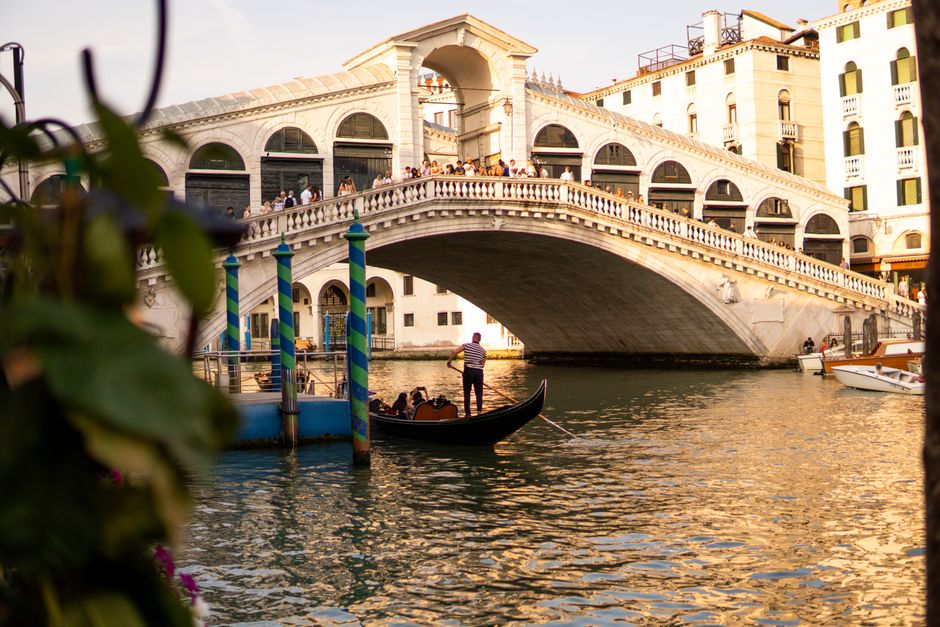
Rialto was Venice's Wall Street—the commercial center where banks, merchants, and markets created the wealth that built the palaces. The Rialto Bridge, for centuries the only crossing of the Grand Canal, was the city's economic lifeline. The markets here have operated since the 11th century; the current stone bridge dates to 1591 after earlier wooden versions collapsed under wedding crowds.
San Polo (behind Rialto) is where Venetians eat. The narrow alleys around the markets hold the city's best bacari (wine bars) serving cicchetti (Venetian tapas). This is the experience of Venice beyond monuments: standing at a tiny bar, glass of wine in hand, plates of baccalà mantecato (creamed cod) and sarde in saor (sweet-sour sardines) before you, locals crowding in for their evening ritual. Get lost finding these places—they're worth it.
🏛️ Attractions

🍷 Cicchetti & Wine Bars


🚇 Getting Around
🔒 Getting Around - Available in paid tiers
🏨 Where to Stay
🔒 Where to Stay - Available in paid tiers
🍜 Food Guide
🔒 Food Guide - Available in paid tiers
Must-Try Dishes
💡 Dining Tips
🎯 Book Activities in Venice
Tours, attractions, experiences & more
Powered by Klook • Best price guaranteed
🏨 Book Your Stay in Venice
Find the best hotels, hostels, and apartments
Best price across Booking, Expedia, VRBO & more • Powered by Stay22
📋 Practical Information
🔒 Practical Info - Available in paid tiers🌞 Sunny Travel Guides
The Confidence To Travel / Never Be Lost
© 2026 Sunny Travel Guides. All rights reserved.