Turkey
Where East Meets West
Find restaurants, attractions, hotels, or anything travel-related
Turkey occupies the Anatolian peninsula plus a small European portion (Thrace). The geography is remarkably diverse—Mediterranean and Aegean coasts, the Bosphorus strait dividing continents, central steppes, volcanic Cappadocia, and eastern mountains reaching 5,137 meters at Mount Ararat. Climate ranges from Mediterranean on the coasts to continental in the interior, with hot summers and cold winters in central Anatolia.
Turkish history encompasses the Hittites, Greeks, Romans, Byzantines, Seljuks, and Ottomans—each leaving architectural and cultural traces. Constantinople (Istanbul) was Christianity's greatest city for a millennium, then Islam's capital for five centuries. Atatürk's 1923 revolution created a secular republic from Ottoman ashes, establishing modern Turkey. The country balances secular governance with Muslim majority population, Western alliances with Eastern geography.
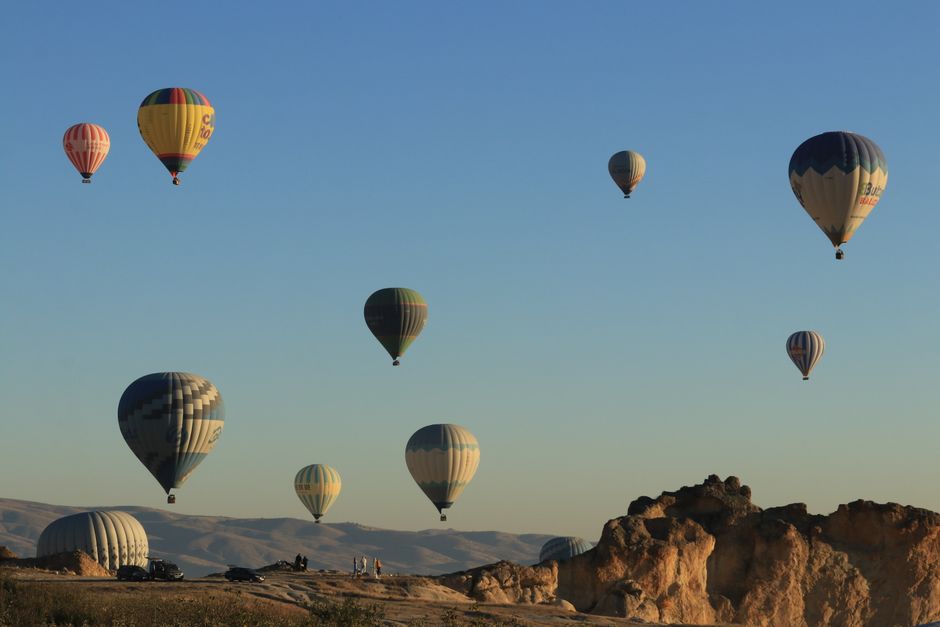
Travelers experience Turkey through sensory immersion—the call to prayer echoing across Istanbul's domes, the sunrise balloon flight over Cappadocia, the taste of fresh-grilled fish on the Bosphorus, the scent of spices in the bazaar, the warmth of Turkish hospitality (misafirperverlik). The infrastructure serves tourism well; domestic flights are cheap, buses reach everywhere, and the tourism industry is sophisticated.
Turkish identity draws from Ottoman imperial heritage, Atatürk's secular nationalism, Islamic faith (for most), and regional traditions. The tension between secular state and religious society shapes politics. Pride in Turkish history—both Ottoman and republican—is genuine. The concept of Turkish hospitality transcends politics; visitors experience warmth regardless of their country of origin.
Remove shoes when entering homes and mosques. Dress modestly at religious sites—women cover shoulders and hair at mosques; men avoid shorts. Accept offered tea graciously. Don't point feet at people or religious items. Bargaining is expected at bazaars but not fixed-price shops. Tipping 10-15% is customary at restaurants. Avoid discussing Kurdish issues or Armenian history carelessly.
E-visa required for many nationalities (US, UK, Canada, Australia)—apply online at evisa.gov.tr before travel. $50-60, valid 90 days within 180-day period. EU citizens can use ID card for 90 days visa-free. Some nationalities receive visa on arrival. Check current requirements as policies change.
Turkey offers exceptional value—the weak lira makes everything affordable for visitors with foreign currency. Street food costs dollars; fine dining costs tens. Accommodation ranges from $10 hostels to world-class luxury. Domestic flights and buses are cheap. The value improves further outside Istanbul.
April-June, September-October
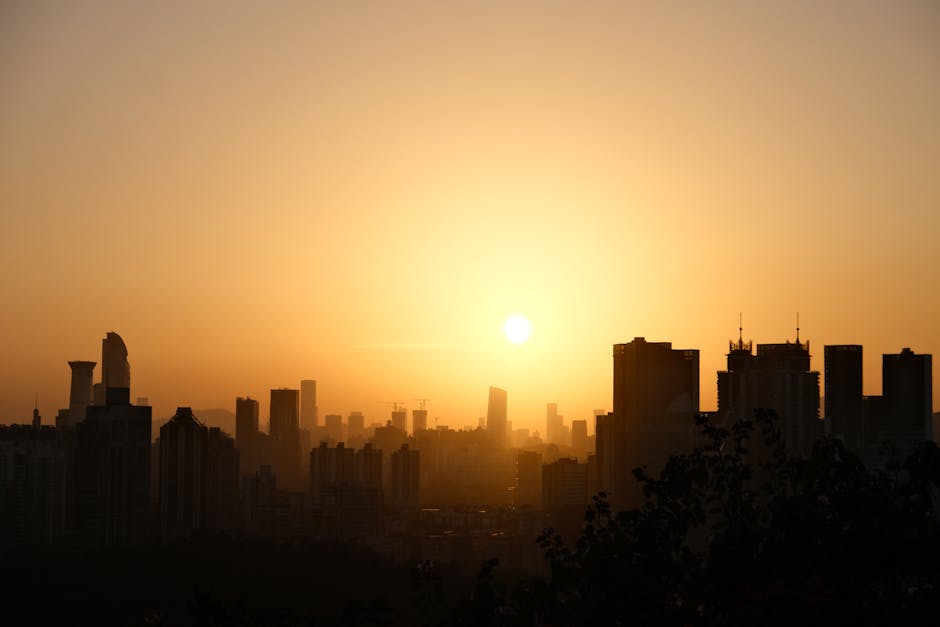
The only city spanning two continents—where Europe meets Asia across the Bosphorus. For 1,600 years it was the capital of empires: Byzantine Constantinople, then Ottoman Istanbul. The architectural treasures from Hagia Sophia to Topkapı Palace remain; 16 million people create chaotic, vibrant modern life around them. The sensory overload is constant; the rewards are endless.

The architectural marvel built in 537 AD—Byzantine cathedral for 900 years, mosque for 500, museum for 85, mosque again since 2020. The massive dome (56 meters high) appears to float; Byzantine mosaics survive alongside Islamic calligraphy. The building embodies Istanbul's layered history. Free entry (mosque status); dress modestly, women cover hair.

The Ottoman sultans' residence for 400 years—700,000 square meters of courtyards, pavilions, and treasures. The Harem (400+ rooms), Imperial Treasury (Topkapı Dagger, 86-carat diamond), and Holy Relics (Prophet's cloak and sword) overwhelm. Plan 3-4 hours minimum; arrive early.
🔓 3 more places in Premium

One of the world's oldest and largest covered markets—4,000+ shops across 61 streets selling carpets, ceramics, jewelry, leather, and everything else. Built 1461 by Mehmed the Conqueror. Bargaining expected—start at 50% of asking price. Closed Sundays.
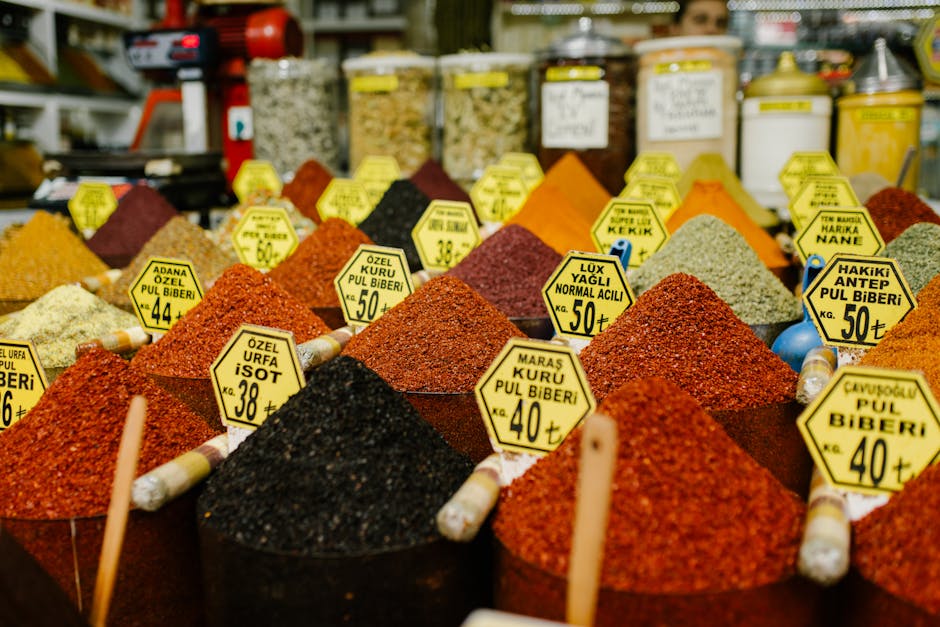
The Egyptian Bazaar overflows with spices, Turkish delight, dried fruits, nuts, and teas. More manageable than Grand Bazaar; better for food souvenirs. The surrounding streets have locals' shops with better prices.
Get all 6 cities with interactive neighborhood guides, insider tips, and full practical information
Upgrade Now →The mega-city spanning two continents plus surrounding Marmara region. Byzantine and Ottoman heritage; chaotic modern metropolis; gateway for most visitors.
View on MapThe surreal volcanic landscape—fairy chimneys, cave hotels, hot air balloons, underground cities, and Byzantine churches carved into rock.
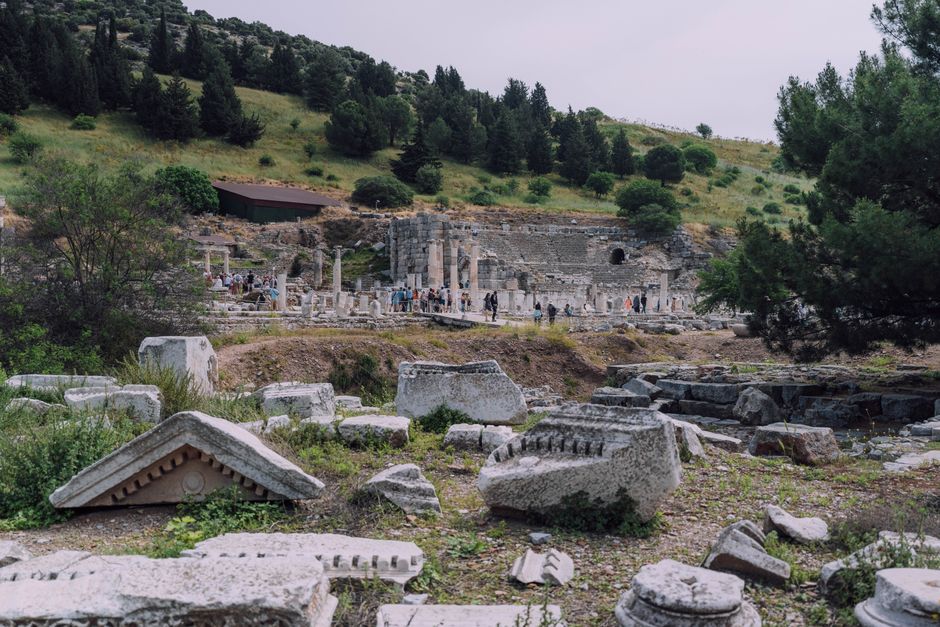
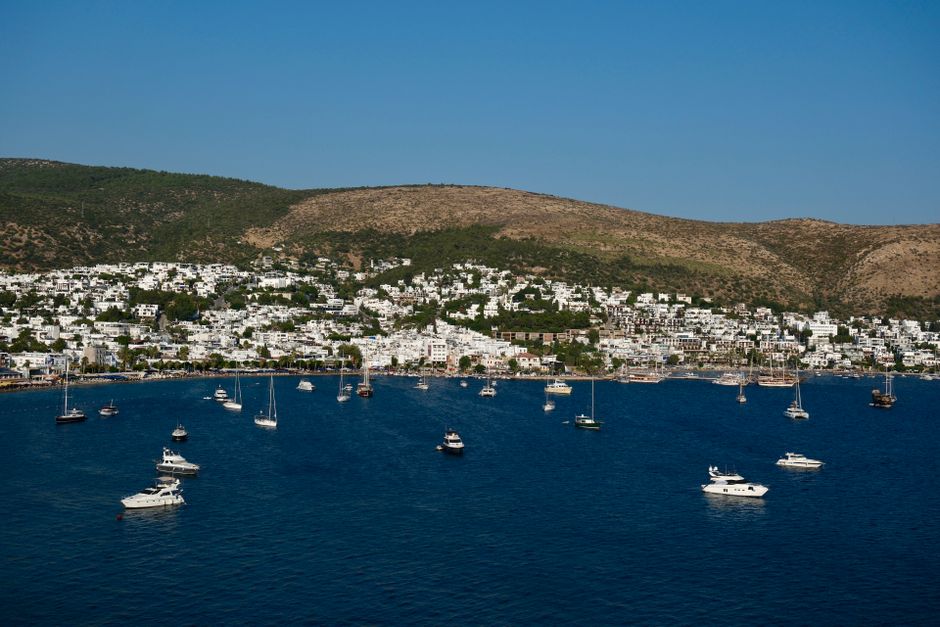
View on MapEphesus ruins, Bodrum glamour, İzmir's urban culture, and Greek island views. Mediterranean climate; more European feel.
View on MapAntalya beaches, Lycian ruins, gulet cruises, Ölüdeniz Blue Lagoon. Hundreds of kilometers of coastline; reliable sunshine.
View on MapTurkish cuisine ranks among the world's great food traditions—the Ottoman palace kitchens refined regional dishes into sophisticated cuisine. Kebabs vary by region; meze culture makes sharing essential; breakfast spreads are legendary. Tea (çay) accompanies everything; raki (anise spirit) accompanies meze. Street food is excellent and safe. Regional specialties reflect local ingredients and history.
🔒 Transportation - Available in paid tiers
Everything you need for Turkey - tours, transfers, SIM cards & more

Explore Turkey with guided tours and unique experiences. From day trips to multi-day adventures.

Skip-the-line tickets to top attractions in Turkey. Book ahead and walk right in.

Airport transfers, SIM cards, rail passes - everything you need for smooth travels.
Find the best hotels, hostels, and apartments
Best price across Booking, Expedia, VRBO & more • Powered by Stay22
Health: 🔒 Health - Available in paid tiers
Safety: 🔒 Safety - Available in paid tiers
🔒 Internet - Available in paid tiers
🔒 Money - Available in paid tiers