🇯🇵 Welcome to Tokyo
Tokyo overwhelms then captivates. This megacity of 14 million people (38 million in the greater metro area) is simultaneously the world's most futuristic metropolis and its most tradition-bound capital. Shinjuku's skyscrapers tower over quiet Shinto shrines. Robot restaurants neighbor centuries-old ramen shops. Harajuku teenagers in cosplay walk past businessmen in identical dark suits. The Shibuya Crossing—the world's busiest intersection—floods with 3,000 people every light change, yet trains run with Swiss precision and streets stay immaculately clean. Tokyo is expensive but manageable, overwhelming but navigable, foreign yet welcoming. The subway system looks impossible but works flawlessly with Google Maps. Nobody speaks English yet somehow you always find your way. Convenience stores sell better food than most restaurants back home. Vending machines dispense everything from hot coffee to fresh eggs. This is a city that defies easy categorization—endlessly modern yet deeply traditional, chaotically dense yet remarkably orderly, intimidating yet incredibly safe.
Understanding Japanese Etiquette
Tokyo runs on unspoken rules. Bow when greeting (slight nod for casual, deeper for respect). Never blow your nose in public—excuse yourself to a restroom. Shoes off before entering homes, temples, some restaurants. On trains: no phone calls ever, keep conversations quiet, don't eat or drink (water okay), give seats to elderly/pregnant/disabled, stand left on escalators. Tipping is insulting—service is included. Say 'itadakimasu' before eating, 'gochisousama' after. Never stick chopsticks upright in rice (funeral ritual). Slurp noodles loudly—shows appreciation. Tattoos associate with yakuza—many onsen ban them. Learn basic phrases: 'sumimasen' (excuse me), 'arigatou gozaimasu' (thank you). Download Google Translate offline. Tokyo rewards cultural sensitivity—follow these rules and earn respect.
⚡ Tokyo Essentials
• Get a Suica or Pasmo card immediately at any station: Rechargeable IC card works on all trains, subways, buses, vending machines, and stores. Buy at ticket machines, ¥500 deposit (refundable), load ¥2000-5000. Just tap at gates.
• Download Google Maps offline: Tokyo's 13 subway lines look overwhelming but Google Maps handles it perfectly. Shows exact platforms, which car to board, transfer times. Your essential tool.
• Convenience stores (konbini) are your best friends: 7-Eleven, FamilyMart, Lawson everywhere 24/7. Clean bathrooms, ATMs accepting foreign cards, hot food, onigiri, cheap breakfasts. Food quality exceeds most restaurants.
🔍 Search Tokyo
🗺 Interactive Tokyo Map
🧭 Quick Navigation
🗺️ Tokyo Neighborhoods
Tokyo is 23 wards (ku) merged into one mega-city. Each contains neighborhoods with distinct personalities. Shibuya and Harajuku are youth culture. Shinjuku mixes business with nightlife. Asakusa preserves old Tokyo. Ueno offers world-class museums and cherry blossoms. Ginza is luxury shopping. Roppongi has art museums and nightlife. Odaiba is futuristic waterfront. Yanaka shows traditional Tokyo. You'll use trains constantly—neighborhoods cluster around major stations.

Best For: First-timers, shopping, nightlife, people watching

Best For: City views, nightlife, business district, izakayas
🏙️ Shibuya
🚇 Shibuya Station (JR Yamanote Line, Tokyo Metro Ginza/Hanzomon/Fukutoshin Lines, Keio Inokashira, Tokyu Lines). Major hub - very crowded.
Youth Culture Epicenter
Shibuya evolved from post-war black market to 1960s-70s counterculture zone to 1990s-2000s youth fashion capital. The area around Shibuya Station became where Japanese teenagers created and consumed trends. The famous 'Shibuya-kei' music scene emerged here. Fashion subcultures (gyaru, Harajuku style) originated nearby. The 109 department store defined Japanese youth fashion for decades.
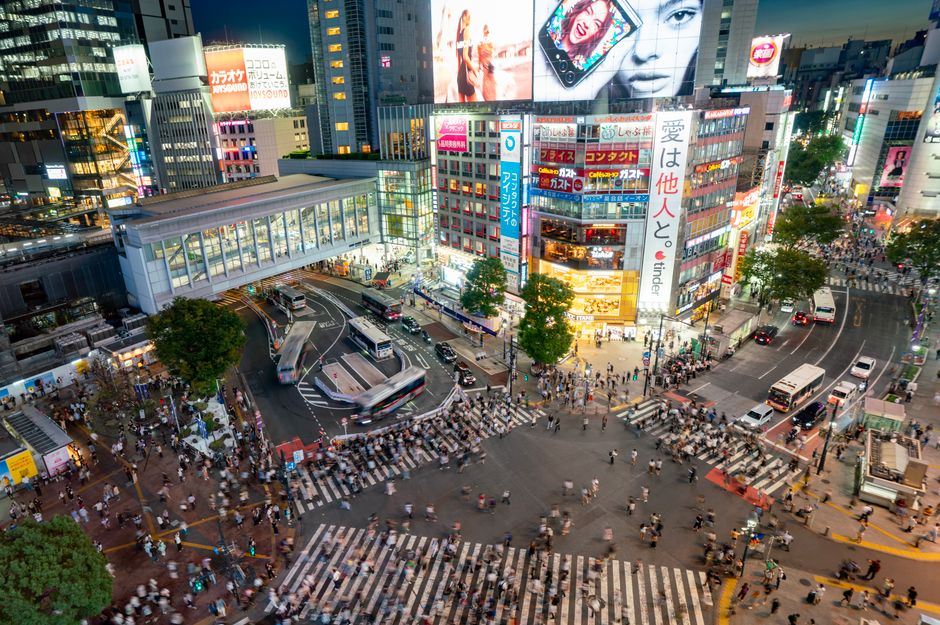
Today Shibuya is simultaneously tourist attraction and functioning neighborhood for Tokyo's young professionals. The scramble crossing appears in countless films and photos - it's Japan's most photographed spot. Yet locals still use it daily, barely noticing the chaos tourists find thrilling. Recent redevelopment (Shibuya Stream, Scramble Square) transformed the area into high-end retail and offices, pushing out some of the scrappier youth culture.
The vibe: overwhelming, energetic, commercial. The crossing floods with thousands every 2 minutes. Screens tower overhead blasting advertisements. Music pours from shops. Weekends bring teenage shoppers. Evenings: salarymen heading to izakayas. Late night: clubbers in love hotels. Shibuya is Japan at maximum velocity - the country's organized chaos concentrated in one intersection.
🗼 Attractions & Landmarks
Organized Chaos as Art
The scramble crossing epitomizes Japanese contradiction: maximum chaos, zero collisions. Everyone stops. Lights change. Everyone crosses from all directions simultaneously in perfect disorder. Then everyone stops again. This self-organizing system - no painted crosswalks needed - shows Japanese social coordination. The crossing became iconic because it visualizes Japan: dense, fast-moving, yet orderly. That it's now tourist attraction proves Tokyo's genius at monetizing its own functionality.

Loyalty as Cultural Value
Hachiko's story (1920s-1930s) resonates because it embodies chuugi - loyalty unto death. The dog's devotion until his own death captured Japanese values: duty, faithfulness, perseverance. That Hachiko became national symbol during militaristic 1930s isn't coincidental - the state promoted loyalty narratives. Today the statue represents both touching devotion and how Japan romanticizes uncritical loyalty. It's beloved for genuine reasons but also reflects cultural values foreigners should understand contextually.

🍜 Restaurants & Food
Solitary Dining Culture
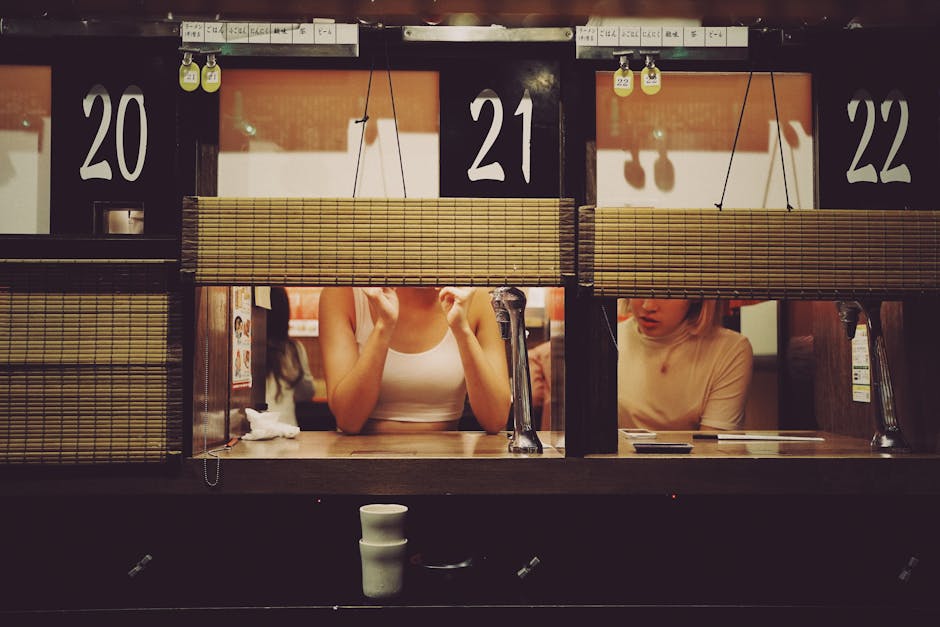
Ichiran's booths reflect Japanese comfort with solo activities. Unlike Western emphasis on communal dining, Japan embraces solitary meals - faster, no social obligation, pure focus on food. The booth design minimizes interaction: you don't even see the server's face. Some call it antisocial. Japanese see it as respectful efficiency - not wasting others' time with small talk. This dining philosophy extends to standing ramen bars, solo karaoke. Japan makes being alone not lonely.

Democratizing Sushi
Kaiten-zushi revolutionized sushi from elite omakase to accessible fast food. Post-war innovation made sushi affordable for working-class Japanese. The conveyor belt solved multiple problems: no awkward ordering, transparent pricing, kids find it entertaining. Critics say it lowered sushi's status. But it let millions experience sushi who couldn't afford traditional shops. This democratization approach - taking luxury and making it accessible - recurs in Japanese culture: from sushi to onsen to temples with free admission.

🌃 Shinjuku
🚇 Shinjuku Station - World's busiest station (3.6 million daily). Multiple lines (JR, Metro, private railways). Easy to get lost - follow signs carefully.
Tokyo's Wild Heart
Shinjuku transformed from farmland to post-war black market to business and entertainment district. By the 1970s-80s, Kabukicho became Japan's largest red-light district - host clubs, yakuza-run bars, love hotels. Meanwhile, Shinjuku Station became Tokyo's main hub. The west side developed into business center (Tokyo Metropolitan Government, skyscrapers). The east side remained entertainment chaos.
Today Shinjuku is schizophrenic: polished business district by day, seedy entertainment quarter by night. Kabukicho still operates openly - touts call out to passersby, host clubs light up narrow alleys, 'massage' parlors advertise. Yet families shop at Isetan department store blocks away. This contradiction is quintessentially Japanese - vice and respectability coexist without collision. Authorities tolerate Kabukicho because it's contained.
The vibe: overwhelming, contradictory, alive 24/7. Morning brings commuter floods through Shinjuku Station (world's busiest - you will get swept up). Business district fills with salarymen. Evening: neon blazes in Kabukicho, izakayas fill with drunk workers. Late night: club district throbs until dawn. Shinjuku never sleeps and never slows down. This is Tokyo's id - unrepressed desire and capitalist efficiency in uncomfortable proximity.
🏙️ Attractions & Views

Democratic Views
That government building offers free spectacular views reflects Japanese egalitarian principle: public goods should be accessible. Built 1991 during bubble economy at massive cost (¥157 billion), it could charge admission but doesn't. This contrasts with profit-driven Skytree and Tokyo Tower. The building represents Japanese government relationship with citizens: providing service, not extracting rent. Architect Kenzo Tange designed it to resemble Notre Dame Cathedral - Tokyo's secular temple to bureaucracy.


🍶 Izakayas & Nightlife
Salaryman Sanctuary
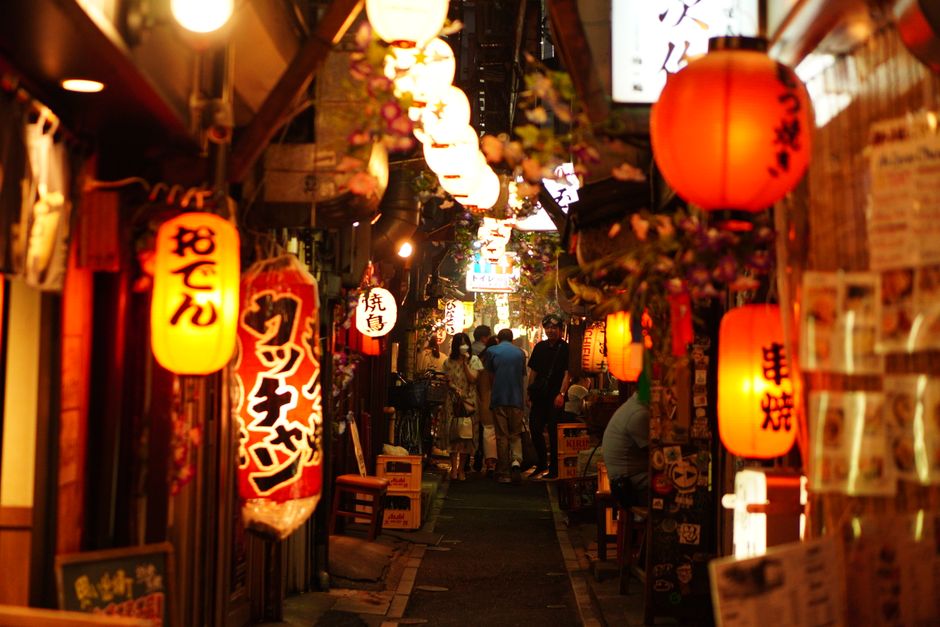
Omoide Yokocho survived from post-war black markets. These tiny stalls fed working-class Tokyo for decades. Today they represent nomikai culture - after-work drinking that's socially mandatory for Japanese salarymen. You drink, complain about the boss, bond with coworkers, then go home. This isn't recreation, it's work obligation. The cramped spaces force intimacy - shoulder-to-shoulder drinking breaks down hierarchies. These alleys are where Japanese social order temporarily suspends through alcohol. Understanding this explains why salarymen look destroyed on last trains - they weren't partying, they were working.

Micro-Community Bars
Golden Gai survived redevelopment because bar owners banded together - collective resistance to corporate buyouts. These bars operate on 'regular customer' system: newcomers sometimes unwelcome. This ma reflects Japanese in-group/out-group dynamics - uchi/soto. Once accepted (go multiple times, show respect), you're in. The model seems exclusionary to Westerners but creates intimate communities. These bars are where Japanese professionals, artists, and misfits built relationships over decades. The seating fees protect against tourists treating it like theme park. Golden Gai makes you earn belonging.

🚇 Getting Around
🔒 Getting Around - Available in paid tiers
🏨 Where to Stay
🔒 Where to Stay - Available in paid tiers
🍜 Food Guide
🔒 Food Guide - Available in paid tiers
Must-Try Dishes
💡 Dining Tips
Book Tours & Travel Essentials
Everything you need for Tokyo - tours, transfers, SIM cards & more
🚐 Day Trips & Tours

Tokyo Tours
See optionsGuided tours and day trips from Tokyo. Skip the planning - just show up and enjoy.
⭐ Things to Do

Tokyo Activities
See optionsTop-rated things to do in Tokyo. Book online with instant confirmation.
✈️ Travel Essentials

Tokyo Airport Transfer
See optionsPrivate car or shared shuttle to/from the airport. Pre-book for peace of mind.
🔍 Search All Klook Experiences
Klook.com🏨 Book Your Stay in Tokyo
Find the best hotels, hostels, and apartments
Best price across Booking, Expedia, VRBO & more • Powered by Stay22
📋 Practical Information
🔒 Practical Info - Available in paid tiers🌞 Sunny Travel Guides
The Confidence To Travel / Never Be Lost
© 2026 Sunny Travel Guides. All rights reserved.