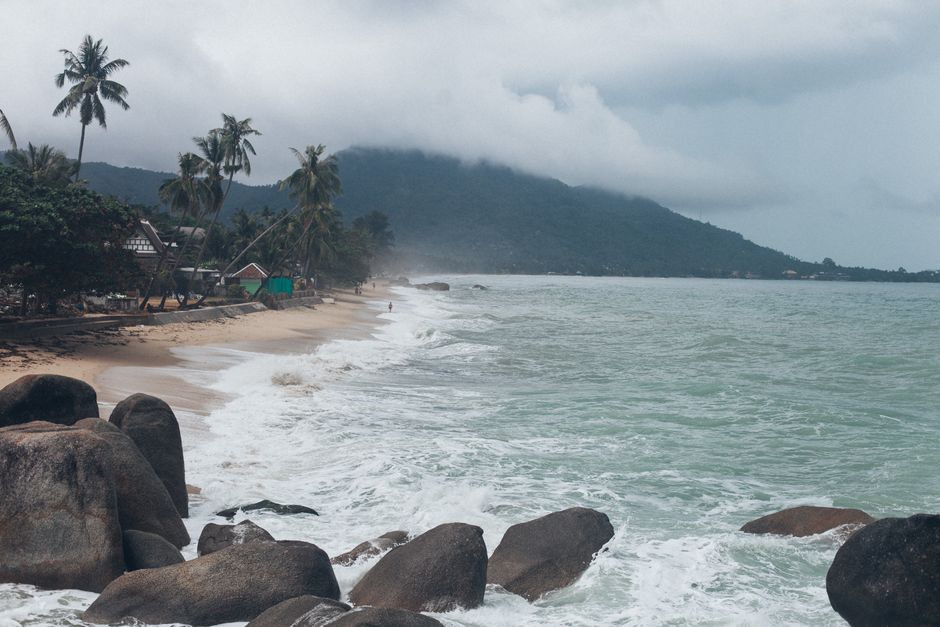
Thailand
The Land of Smiles Awaits
Find restaurants, attractions, hotels, or anything travel-related
Thailand stretches from the mountainous borders of Myanmar and Laos in the north to the tropical paradise islands of the Andaman Sea and Gulf of Thailand in the south. The landscape varies dramatically—misty peaks where hill tribes maintain ancient traditions, fertile central plains where rice paddies shimmer like mirrors, and over 1,400 islands offering everything from full-moon parties to silent meditation retreats. Limestone karsts rise dramatically from emerald waters, elephants roam protected forests, and waterfalls cascade through national parks.
Thai culture weaves together Buddhist spirituality, royal traditions, and a uniquely Thai approach to life called 'sanuk'—the belief that life should be enjoyable. Over 40,000 temples anchor communities across the nation; saffron-robed monks collect morning alms in timeless rituals. The monarchy commands deep respect, and royal imagery appears everywhere. Yet Thailand also embraces modernity—Bangkok pulses with contemporary art, fashion, and nightlife alongside ancient traditions.
Travelers discover Thailand through its contrasts—meditating in silent temples before dancing until dawn, trekking through jungle then lounging on pristine sand, eating Michelin-starred cuisine then slurping noodles at plastic tables. The famous Thai massage rejuvenates weary bodies; cooking classes unlock kitchen secrets. Whether island-hopping the Andaman, exploring Chiang Mai's temples, or losing yourself in Bangkok's sensory overload, Thailand rewards with experiences that linger long after departure.
Buddhism permeates Thai life—temples anchor every community, merit-making guides behavior, and monks are deeply respected. The monarchy is revered and legally protected. Thai identity balances tradition with adaptability, explaining both cultural preservation and enthusiastic adoption of modernity.
Remove shoes before entering homes and temples. Never touch anyone's head (sacred) or point feet at people or Buddha images (disrespectful). Dress modestly at temples—cover shoulders and knees. Stand for the royal anthem played before movies. The wai greeting varies by social status; return it appropriately. Never criticize the monarchy.
Most Western nationalities receive visa-free entry for 60 days (check current policy as proposals to reduce to 30 days are under discussion as of Feb 2026). Visa on arrival available for some nationalities. Extensions possible at immigration offices. Long-stay options include the LTR Visa (10-year), Long Stay Visa via property investment (3M baht minimum), Destination Thailand Visa for digital nomads (5-year, 180 days/entry), and retirement extensions for age 50+.
Thailand remains excellent value despite rising prices. Street food costs $1-3, comfortable hotels $30-60, and domestic flights under $50. Bangkok is pricier than elsewhere; islands command premiums. Budget travelers manage on $30-40/day; mid-range comfort runs $80-120.
November-February
Thailand's chaotic, captivating capital where golden temples rise beside glass towers, street food sizzles at all hours, and the old and new collide constantly. Bangkok overwhelms, rewards, and never bores—a city of contrasts demanding exploration.

Thailand's most sacred site—the Temple of the Emerald Buddha within the dazzling Grand Palace complex. Intricate murals, golden spires, and the tiny jade Buddha dressed in seasonal gold costumes. Strict dress code enforced; arrive early to beat crowds and heat.

Home to the massive 46-meter Reclining Buddha covered in gold leaf—the feet alone are 5 meters long with mother-of-pearl inlay. Also Thailand's leading massage school; get a traditional massage after temple exploration.
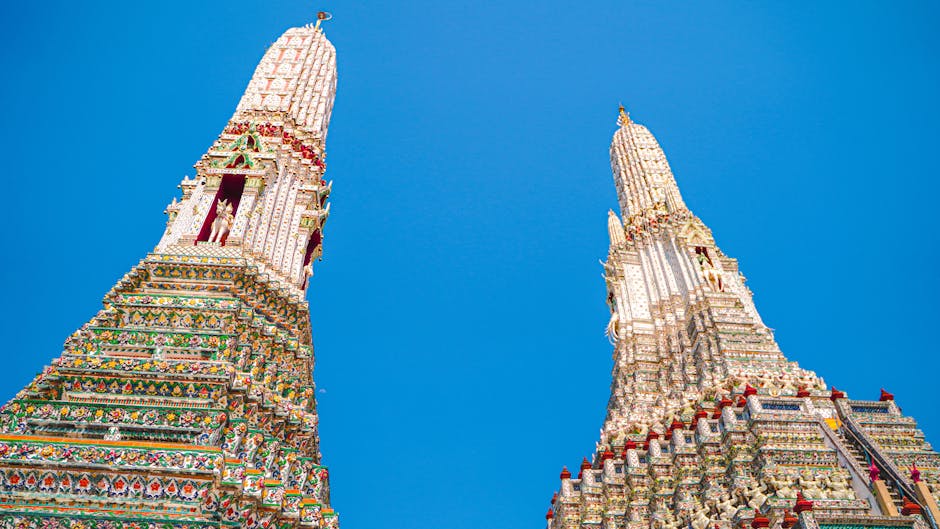
The Temple of Dawn towers over the Chao Phraya River—its Khmer-style prang covered in colorful porcelain and seashells. Climb steep stairs for river views. Best photographed from across the river at sunset, or visited at dawn.
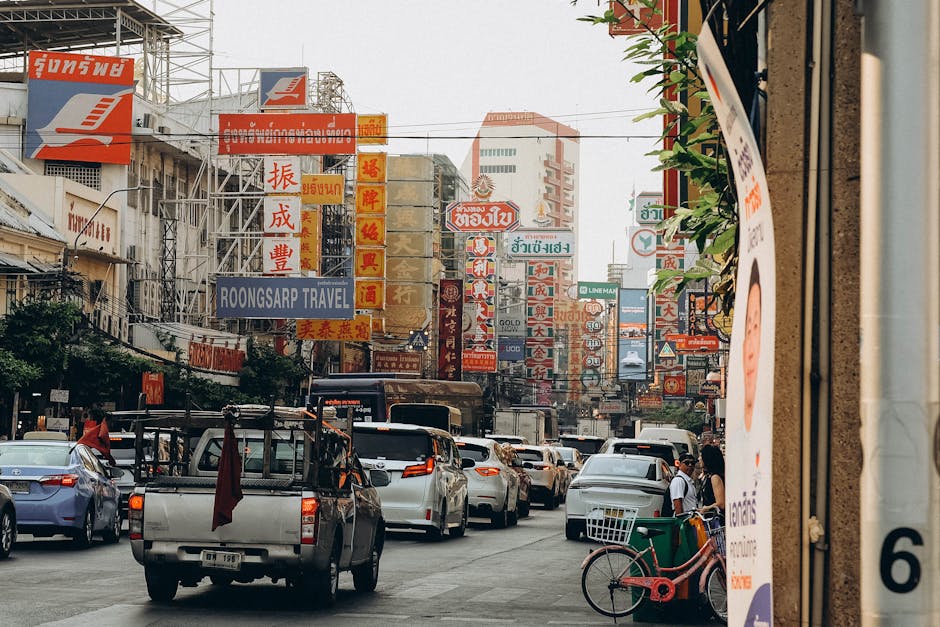
Bangkok's oldest neighborhood transforms nightly into a street food paradise—seafood, noodles, roast duck, and Chinese-Thai fusion. The main road and side sois (alleys) overflow with vendors, smoke, and incredible smells. Come hungry after 6pm.
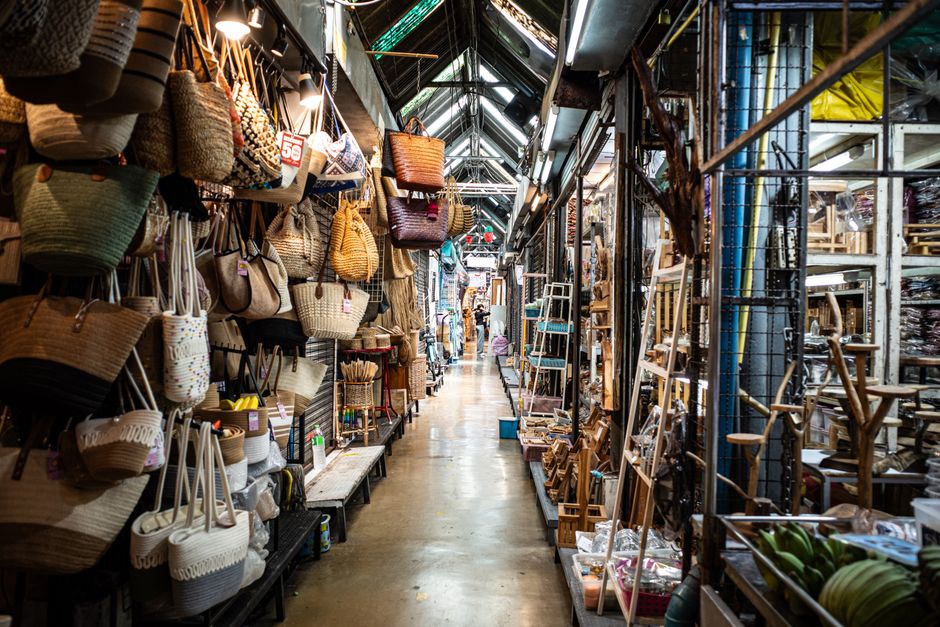
One of the world's largest markets—over 15,000 stalls selling everything imaginable across 35 acres. Clothes, antiques, art, plants, pets, and food. Overwhelming but essential. Go early to beat heat and crowds; get lost intentionally.
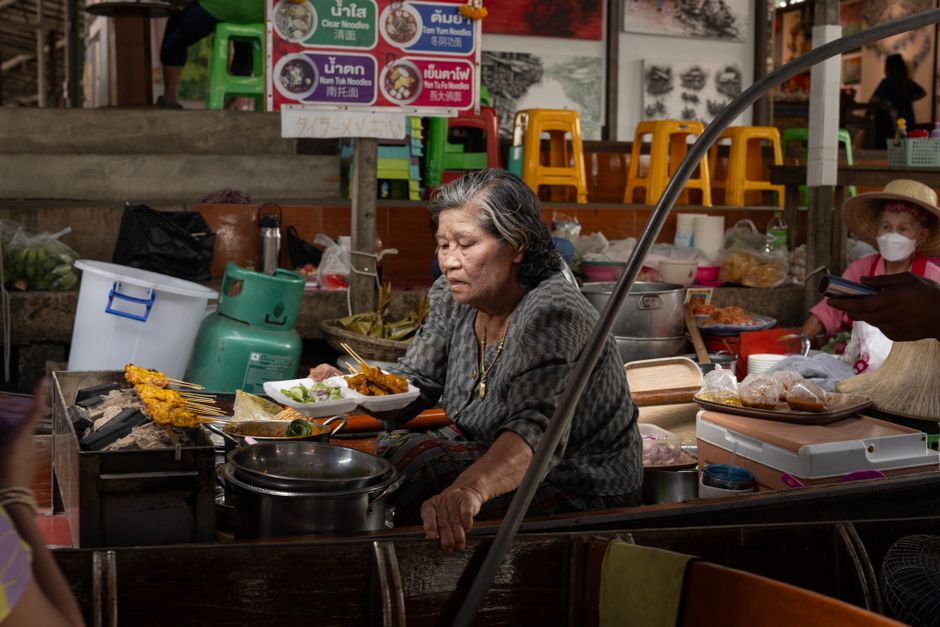
Bangkok's finest fresh market—premium produce, prepared foods, and the best som tam in the city. Cleaner and calmer than Chatuchak next door. Excellent for food photography, ingredient education, and lunch.

The legendary backpacker strip—cheap guesthouses, bucket cocktails, pad Thai vendors, and international travelers. Touristy and chaotic but a rite of passage. Visit for the atmosphere; sleep elsewhere for rest.

Modern Bangkok's main artery—BTS-connected neighborhoods offer upscale malls, rooftop bars, international restaurants, and nightlife. Thonglor and Ekkamai are hipster havens; Nana and Asok have infamous nightlife.

The historic heart along the Chao Phraya River—grand hotels, temples, and traditional life. Express boats provide cheap transport; luxury hotels offer afternoon tea with views. The atmospheric alternative to modern Bangkok.

One of the world's greatest hotels since 1876—authors' wing hosted Conrad, Maugham, and Coward. Riverside elegance, legendary service, and the famous Author's Lounge for afternoon tea. The benchmark for Thai hospitality.
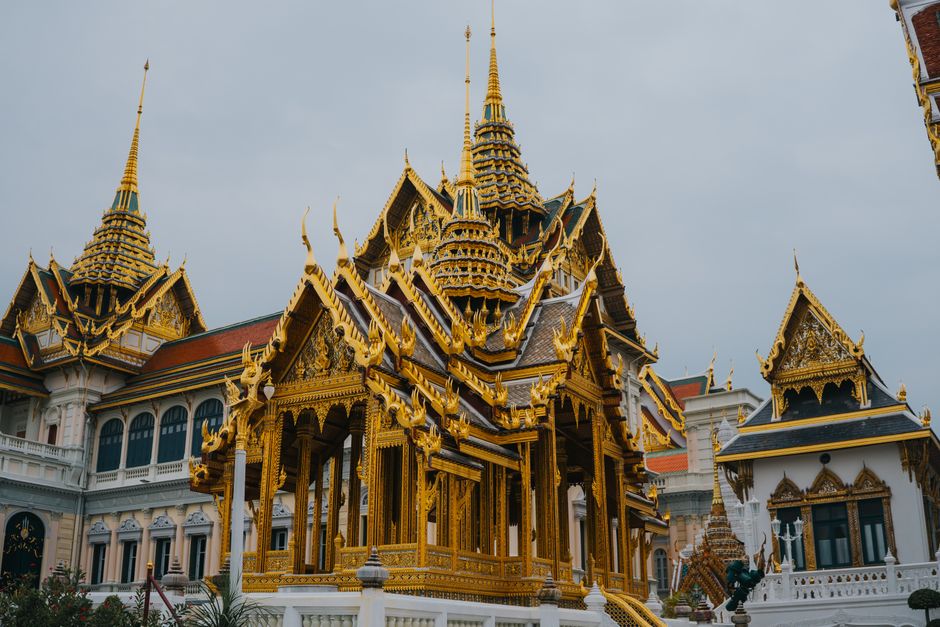
Boutique luxury on the river—art deco meets Thai antiques in stunning private pool villas. Muay Thai ring, cooking school, and yacht for temple cruises. Bangkok's most stylish address for those seeking unique character.
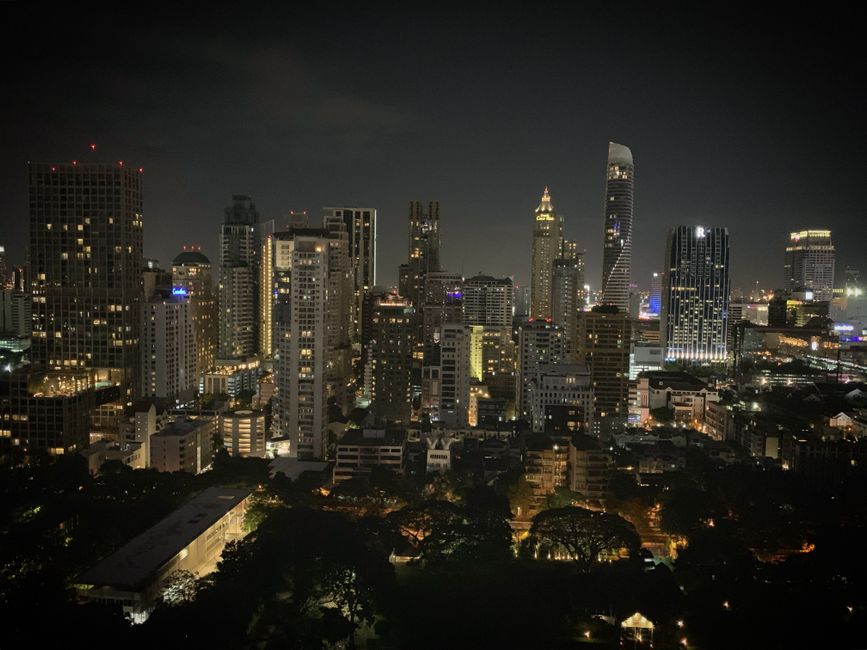
Design-forward hostel with private pods, excellent common areas, and rooftop bar. Clean, social, and well-located for both business and backpacker districts. The stylish budget option that doesn't sacrifice comfort.
Northern Thailand's cultural capital—a moated old city of 300+ temples surrounded by mountains, night markets, and increasingly hip cafes. Chiang Mai moves slower than Bangkok, rewards deeper exploration, and serves as gateway to hill tribe treks and elephant encounters.

The golden temple on the mountain overlooking Chiang Mai—climb 309 steps (or take cable car) to reach the glittering chedi housing Buddha relics. Panoramic city views and constant monk activity. Essential Chiang Mai experience.
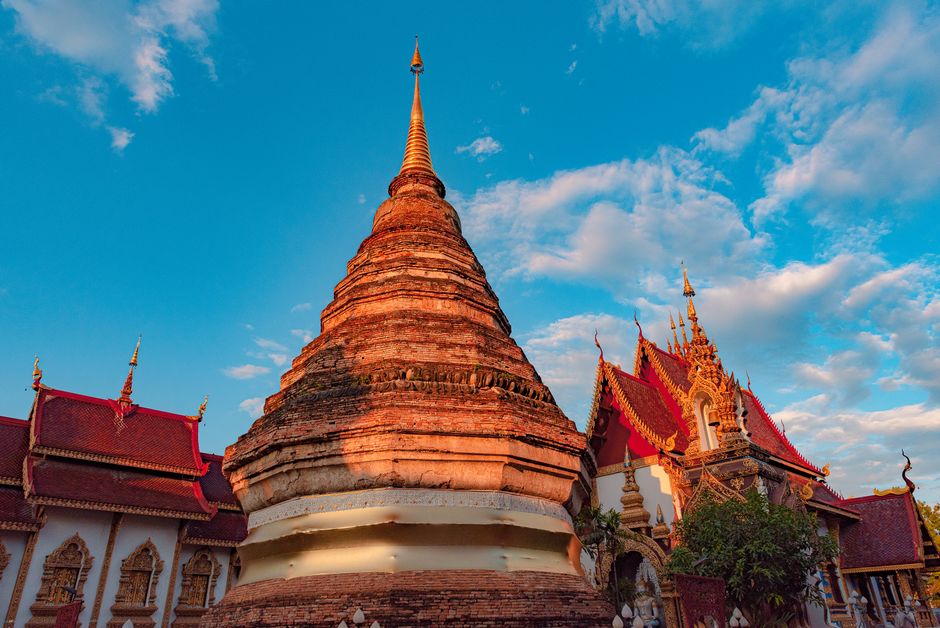
Massive 14th-century temple in the old city heart—the ruined chedi once held the Emerald Buddha now in Bangkok. Monk chats offered daily; the evening atmosphere is particularly peaceful. The city's most impressive in-town temple.

The old city's most revered temple—home to the Phra Singh Buddha image central to Songkran festivities. Classic Lanna architecture, peaceful grounds, and beautiful murals in the rear chapel. Morning alms giving is atmospheric.
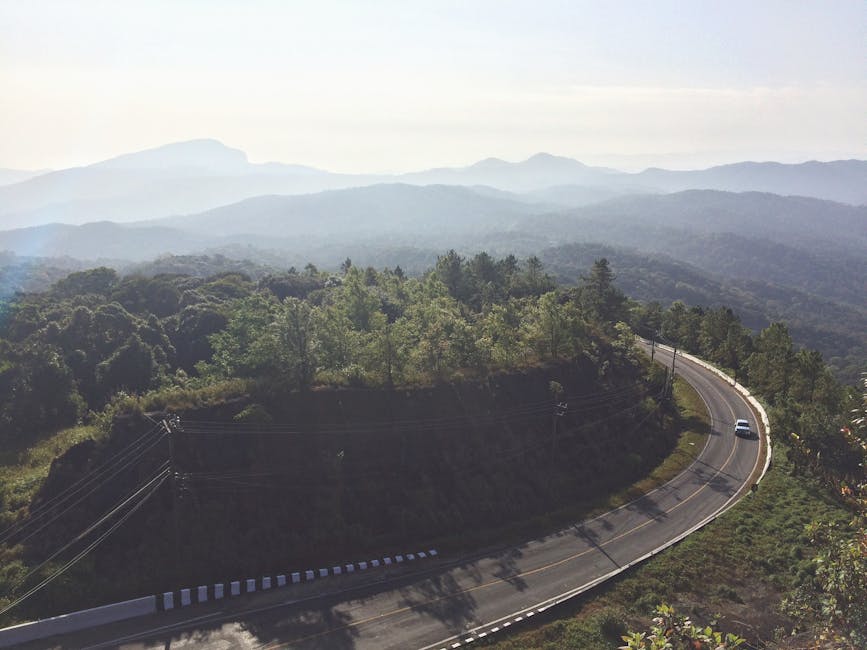
The old city's main street transforms into a kilometer-long market every Sunday—crafts, art, street food, and performances. The best market in Thailand for handmade goods. Arrive by 5pm; peak crowds 7-9pm.

Chiang Mai's signature dish—curry noodle soup with crispy noodles on top, served everywhere from street stalls to upscale restaurants. Khao Soi Khun Yai and Khao Soi Mae Sai are legendary. The dish alone justifies visiting Chiang Mai.
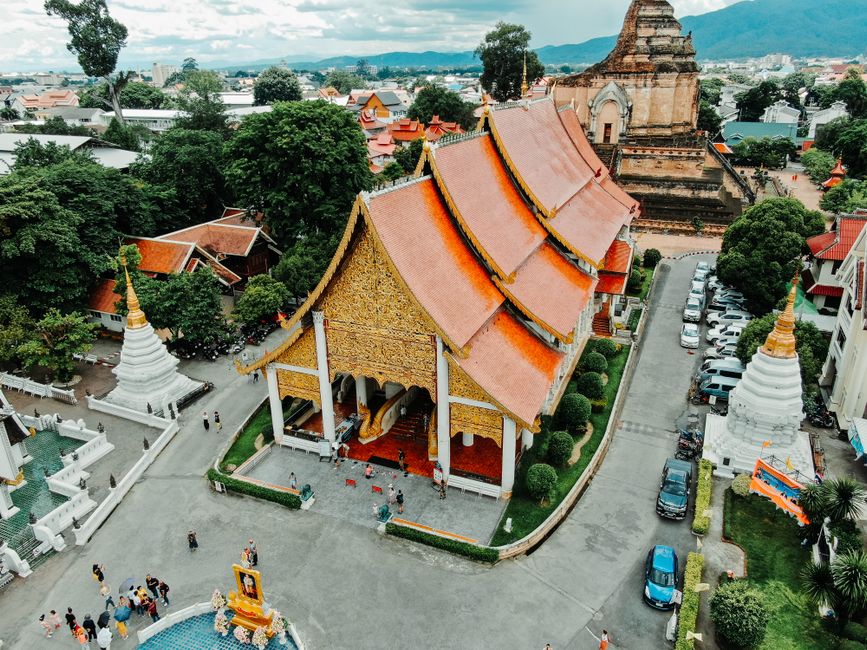
Chiang Mai's largest traditional market—three floors of food, flowers, fabrics, and Lanna products. Less touristy than night bazaars; this is where locals shop. The basement food court offers authentic northern dishes.

Chiang Mai is Thailand's cooking class capital—dozens of schools offer market visits and hands-on instruction. Typically 4-5 dishes including curry paste from scratch. Asia Scenic, Thai Farm, and Pantawan are highly rated.

Ethical elephant sanctuary rescuing abused animals—no riding, just feeding, bathing, and observing. Day and overnight visits available. The model for ethical elephant tourism; book well ahead. Expensive but transformative.

Several temples offer opportunities to chat with monks practicing English—genuine cultural exchange. Wat Chedi Luang, Wat Suan Dok, and Wat Umong host regular sessions. Come with questions; leave with perspective.

Colonial teak mansion turned boutique luxury—the most atmospheric hotel in Chiang Mai. Suites in the original 1889 building or contemporary pool villas. Riverside location, cooking school, and genuine heritage.
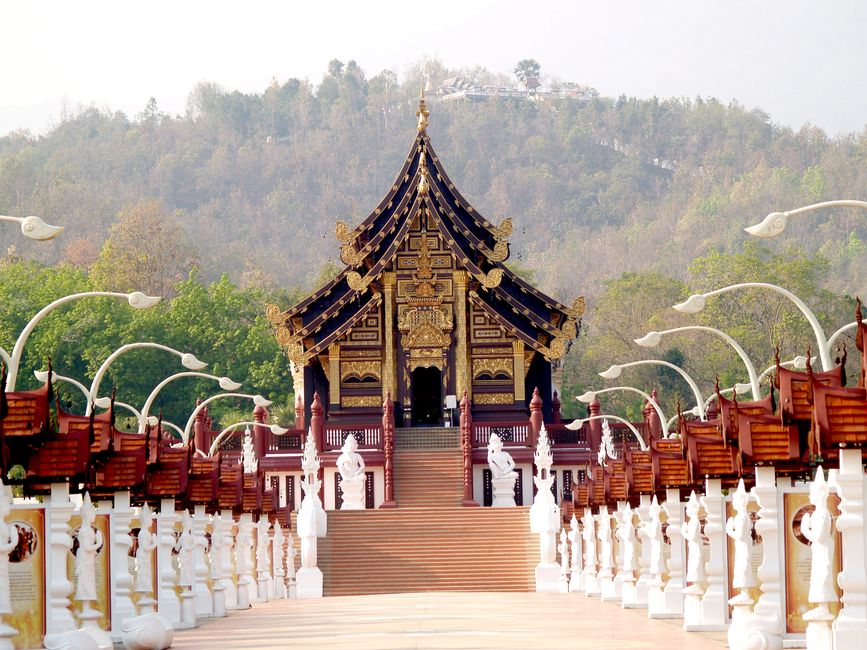
Boutique hotel designed as Lanna temple compound—whitewashed buildings around courtyards, antique furnishings, and exceptional restaurant. Inside the old city walls for perfect temple access. Peaceful and distinctive.

Social hostel with pool, bar, and regular events—the backpacker hub of Chiang Mai. Old city location puts temples at your doorstep. Private rooms available. Great for solo travelers seeking community.
Thailand's largest island offers everything from rowdy Patong nightlife to serene luxury resorts, world-class diving to championship golf. Phuket serves as gateway to the Andaman's most spectacular islands while offering enough diversity to satisfy most travelers without leaving.

Phuket's famous beach strip—3km of sand backed by hotels, restaurants, and Bangla Road's neon nightlife. Not the most beautiful beach but definitely the most happening. Jet skis, parasailing, and constant activity.

More relaxed than Patong with good surf in monsoon season and excellent beachfront restaurants. Popular with families and couples seeking beach without chaos. Kata Noi next door is even quieter.
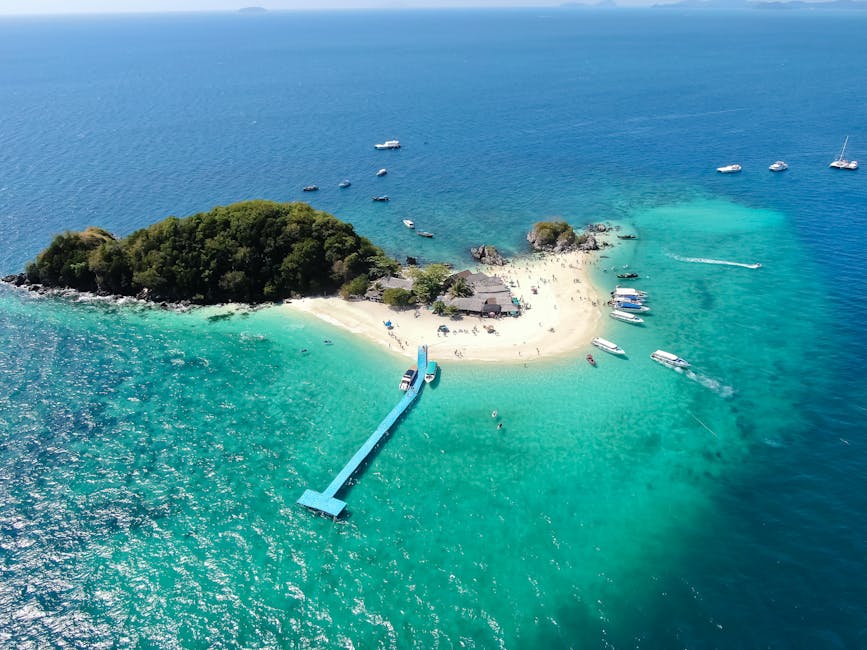
Phuket's most beautiful beach—accessible only by longtail boat or steep jungle hike. Powder sand, clear water, and limited development. The effort required keeps crowds manageable. Bring supplies.
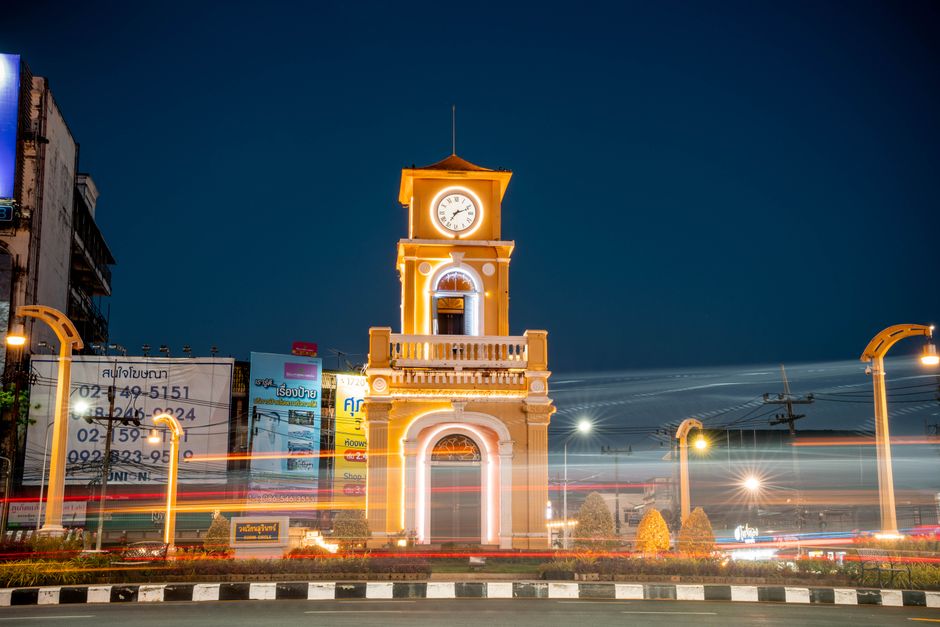
Sino-Portuguese shophouses painted in pastels, street art, hip cafes, and local markets. Sunday walking street brings food vendors and performances. The antidote to beach resort monotony—Phuket's soul lives here.

45-meter white marble Buddha visible from across the island—hilltop location offers panoramic views. Active construction site with donation opportunities. Dress modestly; sarongs available. Best visited at sunset.
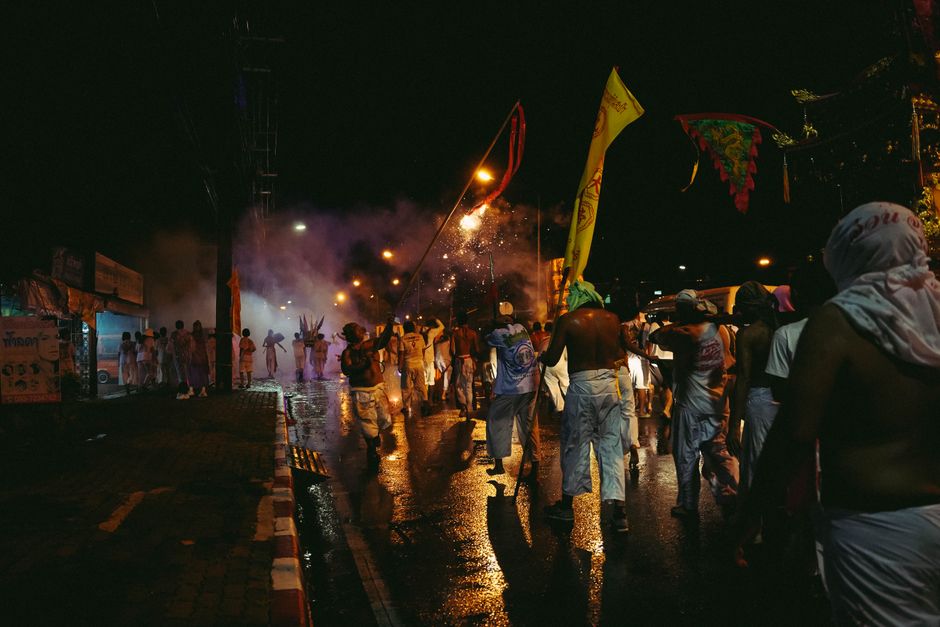
The original Aman resort—Thai pavilions on a private peninsula defining barefoot luxury since 1988. The standard by which Asian beach resorts are judged. Private beach, exceptional dining, and discreet service.
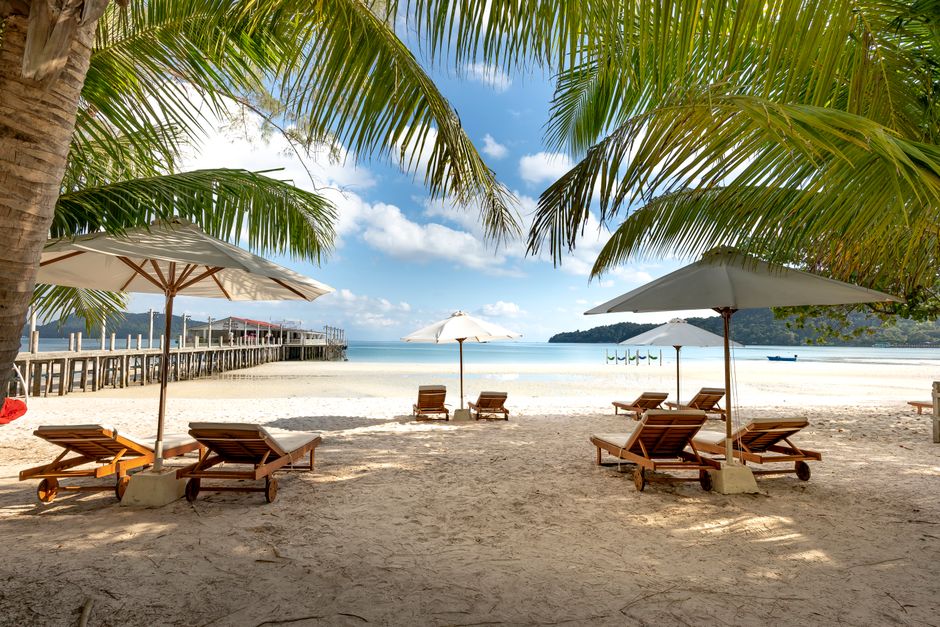
Design hotel celebrating Phuket's tin mining heritage—industrial-chic aesthetic, multiple pools, and Nai Yang beach location near airport. Unique character and excellent value for design-conscious travelers.
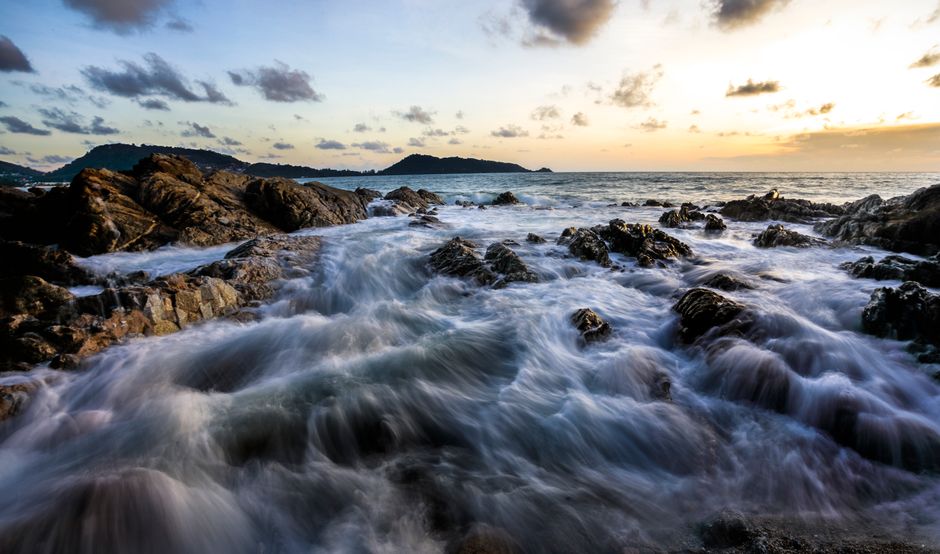
Design hostel near Patong action—pods for privacy, pool, bar, and rooftop. Clean, social, and well-priced. Walking distance to beach and nightlife. The budget option that doesn't sacrifice comfort.
Get all 7 cities with interactive neighborhood guides, insider tips, and full practical information
Upgrade Now →Bangkok and surroundings including Ayutthaya ruins and floating markets. The heart of modern Thailand with easy access to history.
View on MapChiang Mai, Chiang Rai, Pai, and hill tribe regions. Cooler climate, distinct Lanna culture, and mountain scenery.
View on MapPhuket, Krabi, Phi Phi Islands. Dramatic limestone karsts and the country's most famous beaches.
View on MapKoh Samui, Koh Phangan, Koh Tao. Island paradise in the Gulf of Thailand with diving and Full Moon Parties.
View on MapThai cuisine balances sweet, sour, salty, and spicy in every dish. Street food culture is among the world's best—night markets, pushcarts, and shophouse restaurants serve incredible food for tiny prices. Rice accompanies everything; noodles provide variety. Fish sauce and chili define the flavor profile. Eating is social; dishes are shared family-style.
Excellent domestic flight network with budget carriers (AirAsia, Nok Air, Thai Lion). Trains connect major cities slowly but scenically. VIP buses are comfortable for longer routes. Minivans serve shorter distances. Grab (ride-hailing) works in cities. Ferries connect islands.
Everything you need for Thailand - tours, transfers, SIM cards & more

Explore Thailand with guided tours and unique experiences. From day trips to multi-day adventures.

Skip-the-line tickets to top attractions in Thailand. Book ahead and walk right in.

Airport transfers, SIM cards, rail passes - everything you need for smooth travels.
Find the best hotels, hostels, and apartments
Best price across Booking, Expedia, VRBO & more • Powered by Stay22
Health: No required vaccinations but hepatitis A/B, typhoid, and tetanus recommended. Mosquito-borne diseases (dengue, malaria in border areas) require prevention. Drink bottled water; ice in tourist areas is safe. Medical care excellent in Bangkok and tourist areas; insurance essential.
Safety: Thailand is generally very safe. Petty theft occurs in tourist areas—watch belongings on beaches and in crowds. Motorbike accidents are the biggest danger; always wear helmets. Scams target tourists—avoid gem shops, tuk-tuk tours to 'special' places, and jet ski rentals. Political protests occasionally occur in Bangkok.
🔒 Internet - Available in paid tiers
Thai Baht (฿). ATMs everywhere but charge ฿220 ($6.50) per withdrawal—take maximum amounts. Credit cards accepted at hotels and larger restaurants; cash needed elsewhere. Exchange bureaus offer better rates than airports. Mobile payment growing but cash still king.
Thailand has been the world's most popular retirement destination for decades, and for good reason. Exceptional value, world-class healthcare, tropical climate, rich culture, and a well-established expat infrastructure make the transition smooth. Tens of thousands of Western retirees call Thailand home, with thriving communities in Chiang Mai, Pattaya, Hua Hin, and the islands.
Thailand offers several visa pathways for retirees and long-stay visitors. The classic Non-Immigrant O retirement extension remains the most common. New 2024-2026 programs including the LTR Visa, Long Stay Property Visa, and Destination Thailand Visa have significantly expanded options for those wanting longer stays.
Most common option. Enter on Non-O visa, then extend for retirement. Money must be in Thai bank 2 months before and 3 months after extension. Annual 90-day reporting required.
Applied from Thai embassy in home country. Requires health insurance with minimum 400,000 baht inpatient / 40,000 baht outpatient coverage. Police clearance required.
Premium option for wealthy retirees. Higher deposit but longer validity. Must maintain 1.8M baht after first year. Health insurance required. Limited to certain nationalities.
NOT a retirement visa but popular with retirees. No financial requirements beyond membership. VIP airport service, golf privileges, spa credits. Easiest option if you can afford it.
Thailand Board of Investment program launched 2022. Four categories: Wealthy Global Citizen, Wealthy Pensioner, Work-from-Thailand Professional, Highly Skilled Professional. Includes 1-year reporting (vs 90-day standard), fast-track airport service, and work permit exemption for some categories. Apply at ltr.boi.go.th.
New Feb 2026 program. Purchase eligible condo, villa, or house from participating developers (currently Sansiri). Available in Phuket, Chiang Mai, Pattaya, and other key destinations. One-stop solution: buy property and receive visa services together. Rental may qualify in some cases.
Launched July 2024. Ideal for digital nomads, freelancers, remote workers. Can do remote work for overseas employers, Thai cultural activities, medical treatment, seminars. Not a retirement visa but popular alternative.
Thailand offers exceptional value for retirees. Your dollar stretches far, allowing a comfortable lifestyle that would cost 3-4x more in Western countries. Costs vary significantly by location - Chiang Mai is cheapest, Bangkok and islands most expensive.
| Expense | Monthly Cost |
|---|---|
| Rent - 1BR condo (Chiang Mai) | 10,000-20,000 baht ($280-560) |
| Rent - 1BR condo (Bangkok) | 15,000-35,000 baht ($420-980) |
| Rent - 1BR condo (Pattaya/Hua Hin) | 12,000-25,000 baht ($340-700) |
| Utilities (electric, water, internet) | 2,000-5,000 baht ($56-140) |
| Food - local eating | 6,000-12,000 baht ($170-340) |
| Food - mixed local/Western | 12,000-20,000 baht ($340-560) |
| Transportation | 2,000-5,000 baht ($56-140) |
| Health insurance | 3,000-15,000 baht ($85-420) |
| Entertainment/lifestyle | 5,000-15,000 baht ($140-420) |
Thailand is a global medical tourism hub, and retirees benefit from this world-class healthcare at a fraction of Western costs. Bangkok hospitals rival the best in the world; regional hospitals provide excellent care. Many doctors trained in US, UK, or Australia.
The undisputed retirement capital of Thailand. Cool mountain climate, lowest costs, rich culture, huge expat community. Temples, night markets, and cafes. Best for culture-seekers and budget-conscious retirees.
📍 View on MapBeach city with the largest, most established expat community. Reputation for nightlife but also quiet areas. Every convenience, excellent healthcare, easy Bangkok access.
📍 View on MapRoyal beach resort town favored by Thai elite and upscale expats. Quieter, more refined than Pattaya. Golf courses, good restaurants, beach lifestyle with Thai character.
📍 View on MapFor those who want it all - world-class dining, healthcare, shopping, culture, and connectivity. Higher costs but maximum convenience and endless options.
📍 View on MapTropical island retirement for those wanting beach paradise. Higher costs but stunning setting. Good healthcare for an island. Growing expat community.
📍 View on MapThailand's largest island with international feel. Beaches, golf, dining, established expat scene. International schools make it popular with families too.
📍 View on Map