🇮🇱 Welcome to Tel Aviv
Tel Aviv is the Miami of the Mediterranean—a hedonistic, sun-drenched city where the beach is the backyard and the party never really stops. Founded in 1909 as a garden suburb of ancient Jaffa, Tel Aviv grew into a secular, liberal, thoroughly modern metropolis that feels worlds away from Jerusalem's intensity just 60 kilometers inland. The 14-kilometer beachfront defines daily life: morning jogs, afternoon swims, sunset drinks, and all-night clubs that spill dancers onto the sand. But Tel Aviv is more than beaches. The White City's 4,000 Bauhaus buildings form a UNESCO World Heritage Site. The food scene—from Yemeni hummus to fine dining—rivals any European capital. The startup culture has made this the most innovative city per capita on Earth. And underneath the hedonism lies depth: the ancient port of Jaffa, world-class museums, and a society wrestling with coexistence, identity, and survival. Tel Aviv is where Israelis come to escape and where visitors discover that the country is far more complex than headlines suggest.
Understanding Tel Aviv
Tel Aviv exists in deliberate contrast to Jerusalem. Where Jerusalem is ancient, sacred, and contested, Tel Aviv is modern, secular, and focused on living well. Founded by Jewish immigrants in 1909, the city absorbed waves of refugees—from Europe, Arab countries, Ethiopia, the former USSR—creating a cultural fusion unique in the world. Hebrew was revived here as a living language; the Bauhaus style was adapted to Mediterranean climate; and a distinctly Israeli identity emerged: informal, direct, innovative, and determinedly non-religious. Shabbat (Friday sunset to Saturday night) shuts down Jerusalem but barely slows Tel Aviv's beach bars. The LGBTQ scene is the Middle East's most open. The tech industry attracts global talent. Yet existential questions linger—the conflict with Palestinians, the tension between secular and religious Israel, the meaning of Jewish statehood. Most Tel Avivians navigate these by living intensely in the present. The local phrase 'yihyeh beseder' ('it will be okay') captures the optimism and perhaps denial that makes this city function.
⚡ Essential Tel Aviv Tips
• Shabbat (Friday sunset to Saturday night) closes most shops, transit, and restaurants—but beaches, cafes, and secular neighborhoods stay lively. Plan around it or embrace the slower pace.
• The beach is the center of life. Locals swim year-round. Bring minimal valuables—leave bags visible and trust the social contract. Different beaches have different vibes: Hilton Beach is LGBTQ, Metzitzim is family, Alma Beach is hipster.
• Hebrew is dominant but English is widely spoken, especially by younger people and in tourist areas. Learn 'Shalom' (hello/goodbye/peace), 'Toda' (thanks), 'Slicha' (excuse me/sorry).
🔍 Search Tel Aviv
🗺 Interactive Tel Aviv Map
🧭 Quick Navigation
🗺️ Tel Aviv Neighborhoods
Tel Aviv is compact and walkable. The beachfront runs north-south with neighborhoods stacked behind it. The Center (Rothschild, Dizengoff) holds Bauhaus treasures and cafe culture. South Tel Aviv is grittier, more diverse, and increasingly hip. Jaffa, the ancient port city, is now part of Tel Aviv but retains distinct Arab-Jewish character. Neve Tzedek is the original neighborhood, now boutique and expensive.

Best For: Beach life, sunsets, waterfront dining, nightlife

Best For: Architecture, cafes, city walks, cultural sites
🏖️ Beachfront & Port
🚇 Walk, bike (Tel-O-Fun), or e-scooter from anywhere in central Tel Aviv
Living Room of the City
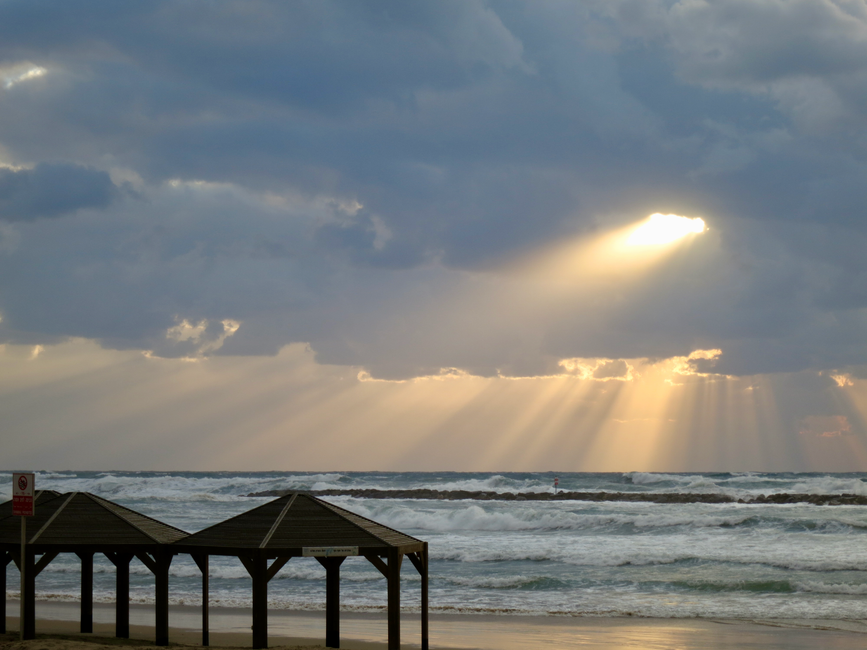
The 14-kilometer beachfront isn't just recreation—it's Tel Aviv's living room. Locals swim before work, conduct business meetings over beach coffee, play matkot (paddleball) obsessively, and end days with sunset beers on the sand. The beach is democratic: tech millionaires next to construction workers, religious families near LGBTQ couples, tourists mixed with lifers. Different beaches have different characters—learn the distinctions.
The Tel Aviv Port (Namal) transformed from working docks to entertainment complex in the 2000s. The wooden boardwalk, weekend markets, restaurants, and clubs made it a destination. The newer port area, with its wavy wooden deck, is architecturally striking. Friday afternoon farmers' market is excellent. The promenade connecting port to Jaffa is the city's great walk—do it at sunset.
🏖️ Beaches


🍽️ Restaurants & Bars


🕌 Jaffa (Yafo)
🚇 Walk south along beach promenade (30 min from central beaches), or bus 10

Ancient Meets Modern
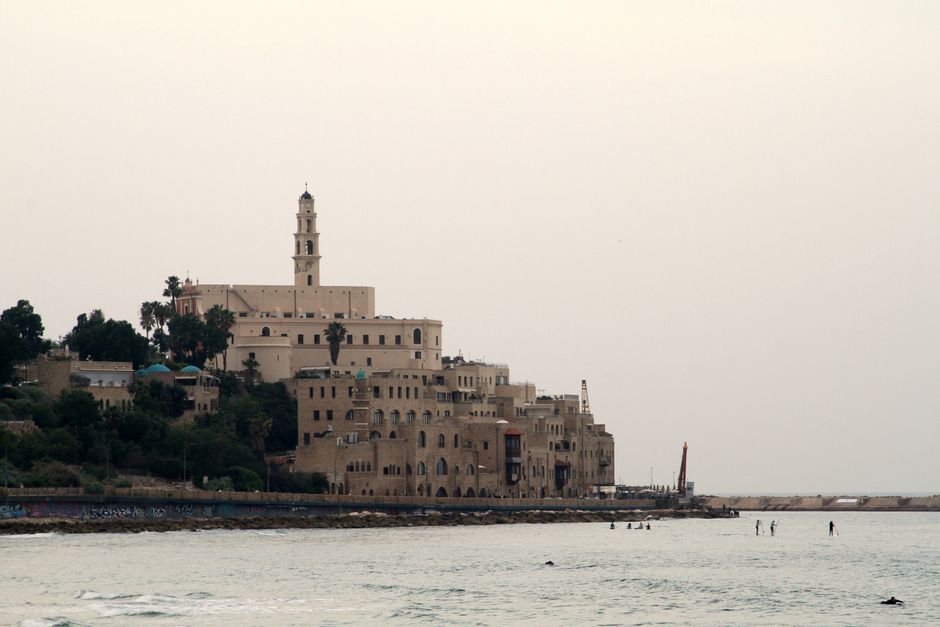
Jaffa is one of the world's oldest ports, with archaeological evidence of habitation going back 7,500 years. The city is mentioned in Egyptian records, the Bible (Jonah sailed from here), and Greek mythology (Andromeda was chained to rocks offshore). Jewish, Christian, Muslim, and Ottoman rulers have all held Jaffa. When Tel Aviv was founded in 1909, Jaffa was the established city; Tel Aviv was the new Jewish suburb.
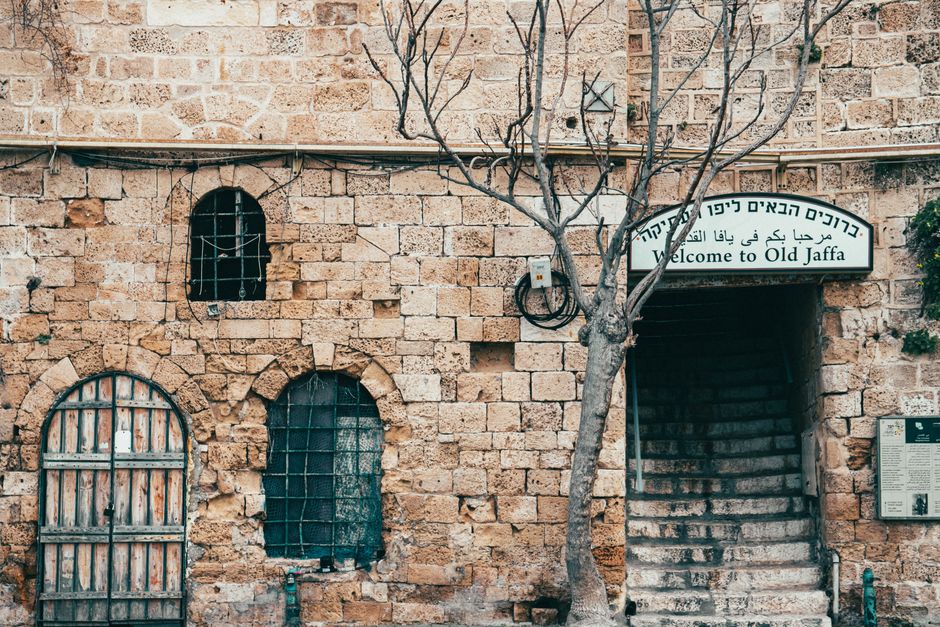
Today Jaffa is part of Tel Aviv-Yafo municipality but retains distinct character. The Arab population—Christian and Muslim—coexists with Jewish residents, artists drawn to cheap studios, and gentrification that's transformed the flea market area into galleries and boutiques. The tension between preservation and development, Arab and Jewish, old and new, makes Jaffa fascinating and contested. The best hummus, the most atmospheric streets, and sunset views over Tel Aviv are here.
🏛️ Attractions


🍽️ Restaurants
🚇 Getting Around
🔒 Getting Around - Available in paid tiers
🏨 Where to Stay
🔒 Where to Stay - Available in paid tiers
🍜 Food Guide
🔒 Food Guide - Available in paid tiers
Must-Try Dishes
💡 Dining Tips
🎯 Book Activities in Tel Aviv
Tours, attractions, experiences & more
Powered by Klook • Best price guaranteed
🏨 Book Your Stay in Tel Aviv
Find the best hotels, hostels, and apartments
Best price across Booking, Expedia, VRBO & more • Powered by Stay22
📋 Practical Information
🔒 Practical Info - Available in paid tiers🌞 Sunny Travel Guides
The Confidence To Travel / Never Be Lost
© 2026 Sunny Travel Guides. All rights reserved.