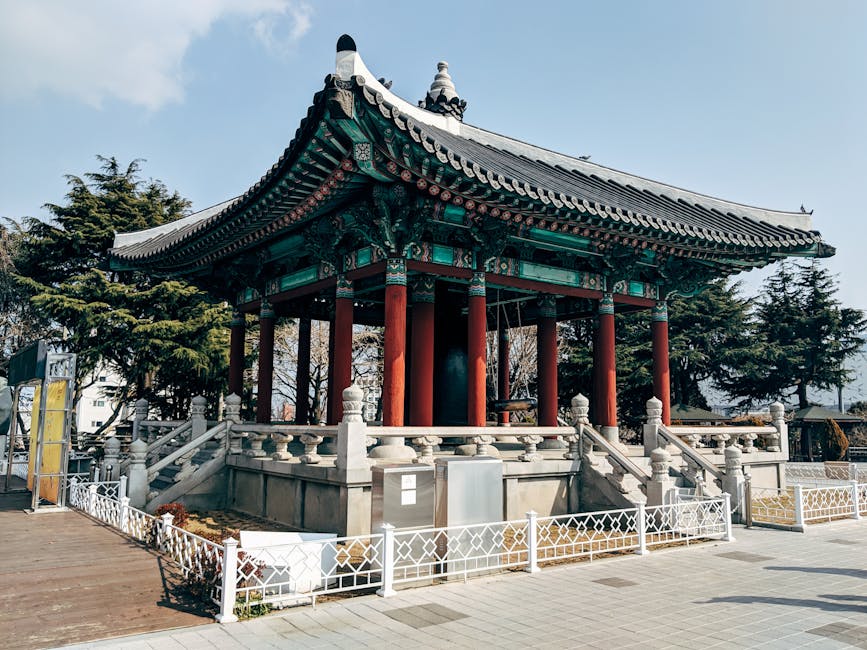
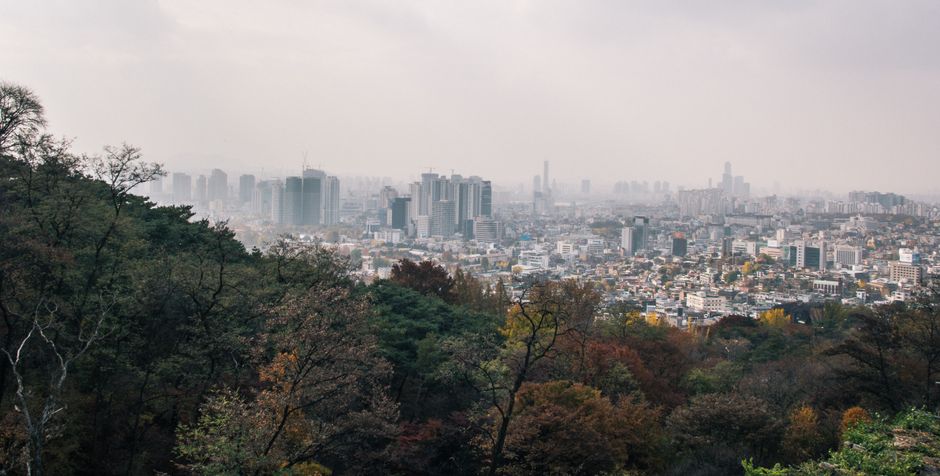
South Korea
Where Ancient Traditions Meet K-Culture Future
Find restaurants, attractions, hotels, or anything travel-related
The Korean Peninsula divides at the 38th parallel; South Korea occupies the southern portion plus Jeju Island. Mountains cover 70% of the terrain; the population concentrates in valleys and coastal plains. Seoul's metropolitan area holds half the nation's 52 million people. Climate brings four distinct seasons—cherry blossoms in spring, humidity in summer, spectacular foliage in autumn, and cold winters with skiing.
Korean history spans 5,000 years—the 'Three Kingdoms' period, unified dynasties, Japanese occupation (1910-1945), devastating war (1950-1953), and the 'Miracle on the Han River' economic transformation. The speed of development is staggering; grandparents remember poverty while grandchildren work for Samsung and Hyundai. Traditional Confucian values of respect, education, and family persist beneath contemporary surface.
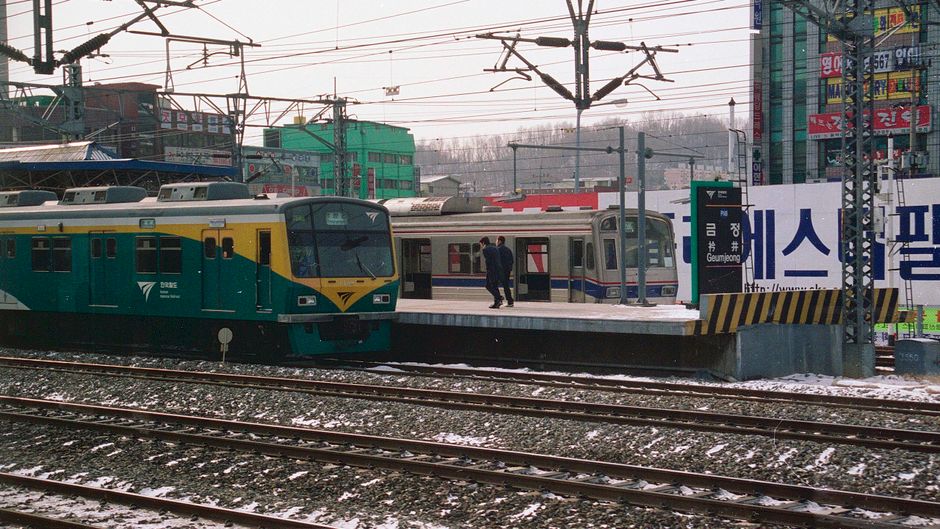
Travelers discover Korea through sensory immersion—sizzling Korean BBQ at midnight, palace grounds at dawn, temple stays in mountain monasteries, K-beauty shops in Myeongdong, baseball games with fried chicken and beer. The infrastructure enables seamless exploration; high-speed trains connect cities in hours. The language barrier exists but hospitality transcends words.
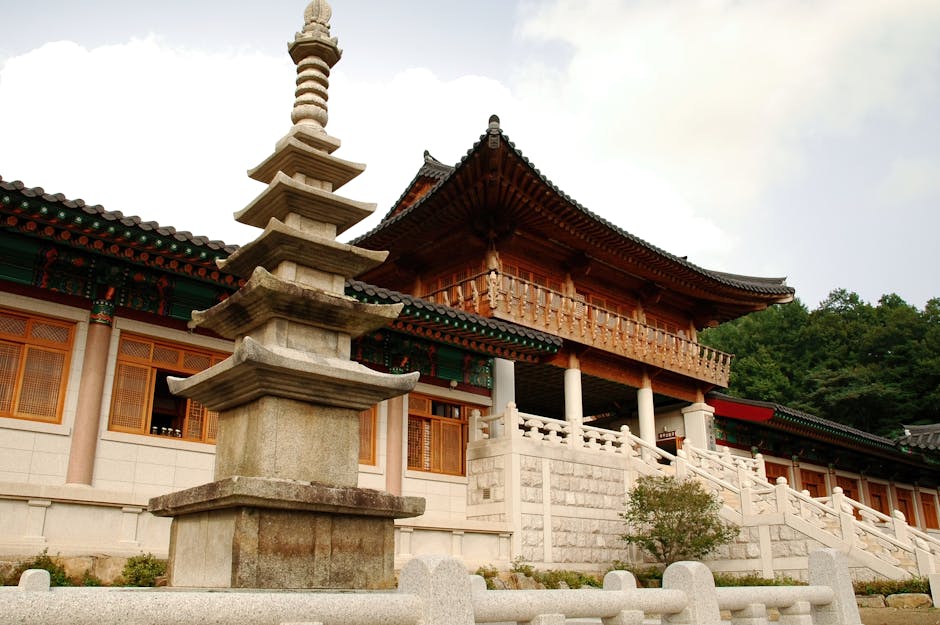
Korean identity draws from shamanic roots, Buddhist influence, Confucian order, and Han (a uniquely Korean concept of collective sorrow and resilience). The Japanese occupation strengthened national consciousness; division from the North remains an open wound. Modern pride in K-culture's global success represents cultural confidence recovered after centuries of great-power domination.
Bow slightly when greeting; handshakes are increasingly common. Remove shoes when entering homes and some traditional restaurants. Receive and give with two hands for respect. Pour drinks for others before yourself; never pour your own. Respect elders—let them sit first, serve them first. Tipping is not customary and can confuse. Learn basic Korean phrases; the effort is appreciated.
Most Western nationalities receive visa-free entry for 90 days (US, Canada, UK, EU, Australia). K-ETA (Korea Electronic Travel Authorization) required before travel for many nationalities—apply online at least 72 hours before departure. Passport must be valid for duration of stay.
South Korea offers excellent value for a developed nation. Street food and casual restaurants are affordable; high-end dining is expensive. Accommodation ranges from budget guesthouses to luxury hotels. Public transport is cheap and excellent. Shopping varies from bargain markets to luxury boutiques. Overall comparable to Western Europe.
March-May, September-November
The megacity of 10 million—ancient palaces beside glass towers, traditional markets below rooftop bars, K-pop studios near Buddhist temples. Seoul never stops; the subway runs until midnight, restaurants serve until dawn, and convenience stores never close. The energy is intense; the experiences are endless. Everything Korea is amplified here.
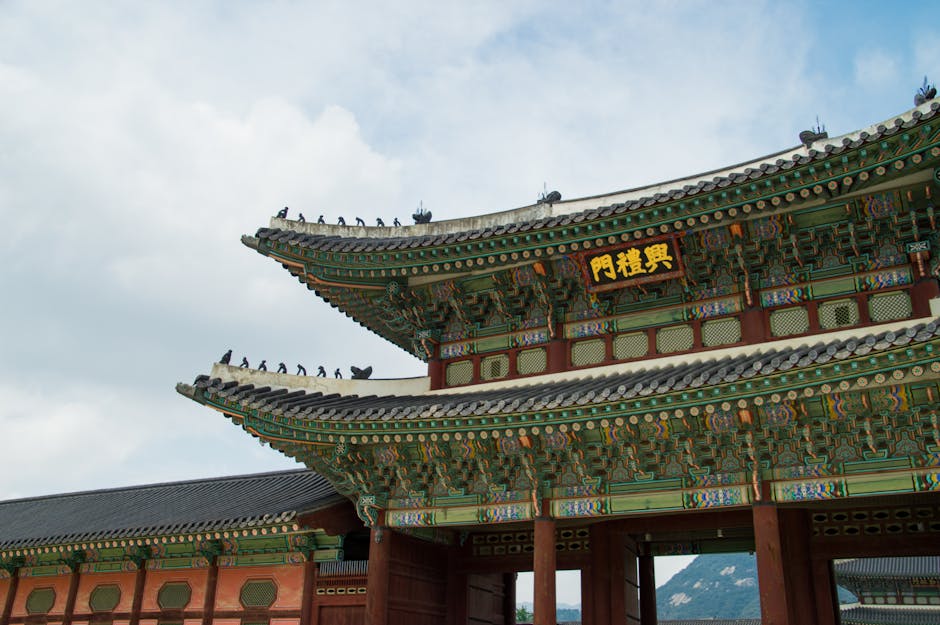
The grandest Joseon palace—rebuilt after Japanese destruction, the vast grounds include throne halls, gardens, and the National Folk Museum. The changing of the guard ceremony is colorful. Hanbok (traditional dress) rental is popular—wearing hanbok grants free entry.
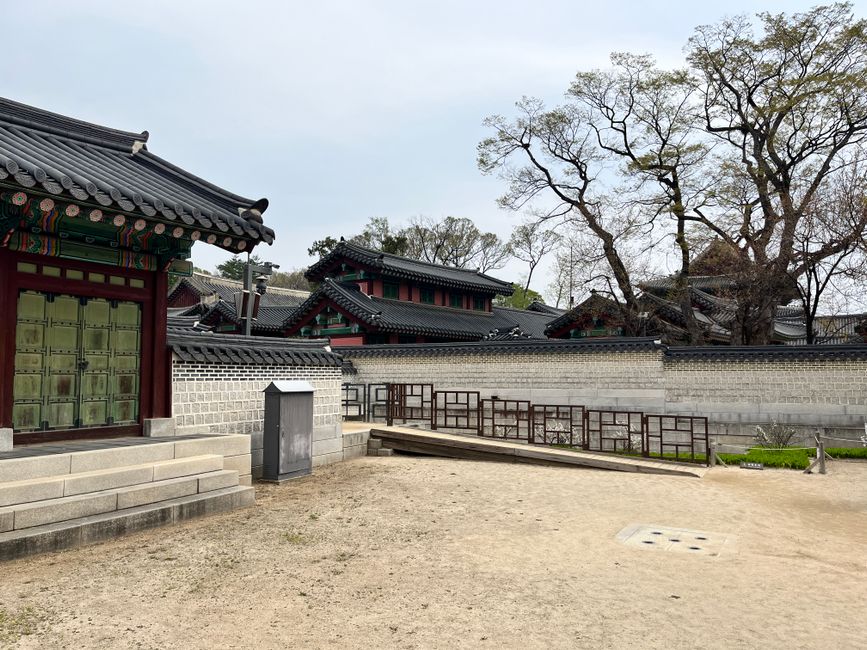
UNESCO World Heritage palace—the 'Secret Garden' (Huwon) is the highlight, a forested retreat of pavilions and ponds. Guided tours required for the garden; book ahead for English tours. The most atmospheric of Seoul's palaces.
🔓 2 more places in Premium
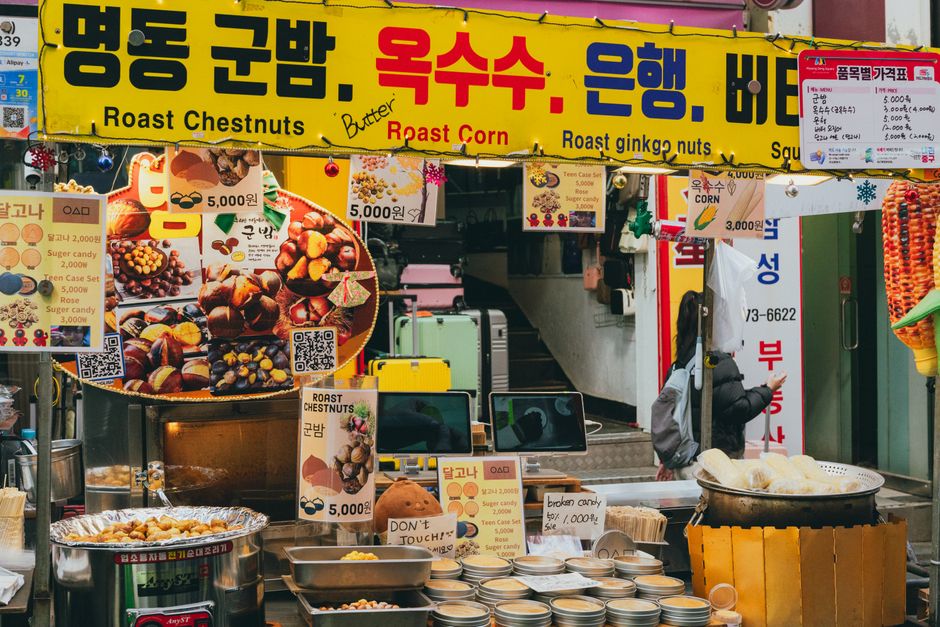
Shopping and K-beauty central—cosmetics stores line every street, street food vendors fill alleys, and crowds pack the pedestrian zone. The intensity can overwhelm; the deals on Korean beauty products justify visits. Myeongdong Cathedral offers respite.
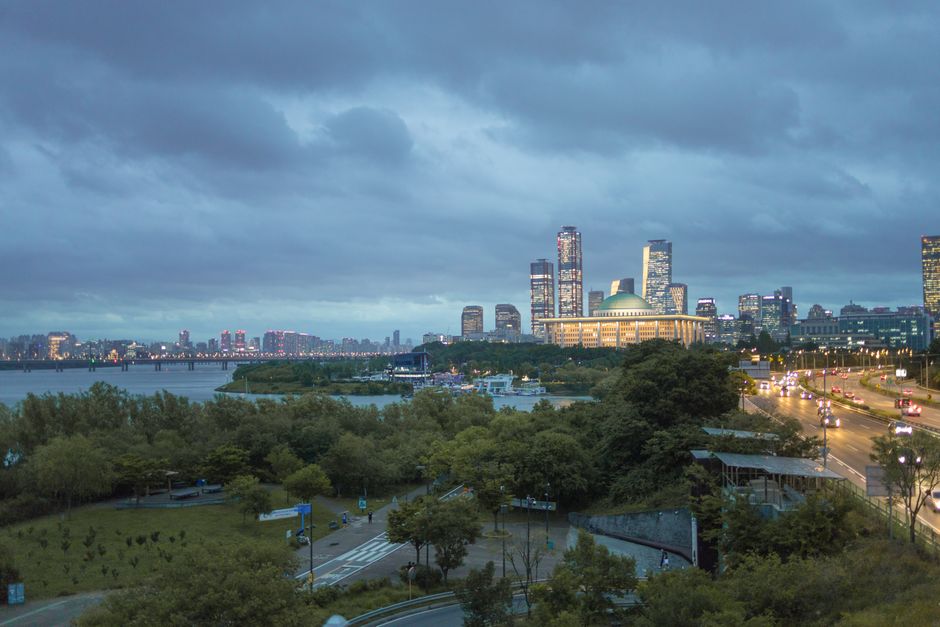
University district turned youth culture hub—indie music, street art, clubs, and creative energy. The nightlife goes until dawn; buskers perform nightly; vintage shops and cafes fill side streets. Younger and edgier than Gangnam.
🔓 2 more places in Premium
Get all 6 cities with interactive neighborhood guides, insider tips, and full practical information
Upgrade Now →The capital region holding half Korea's population—Seoul, Incheon, and surrounding cities. The economic, cultural, and political center; everything Korea happens here first.
View on MapCoastal region with Korea's second city—beaches, seafood, temples, and distinct character. The KTX puts it 2.5 hours from Seoul.
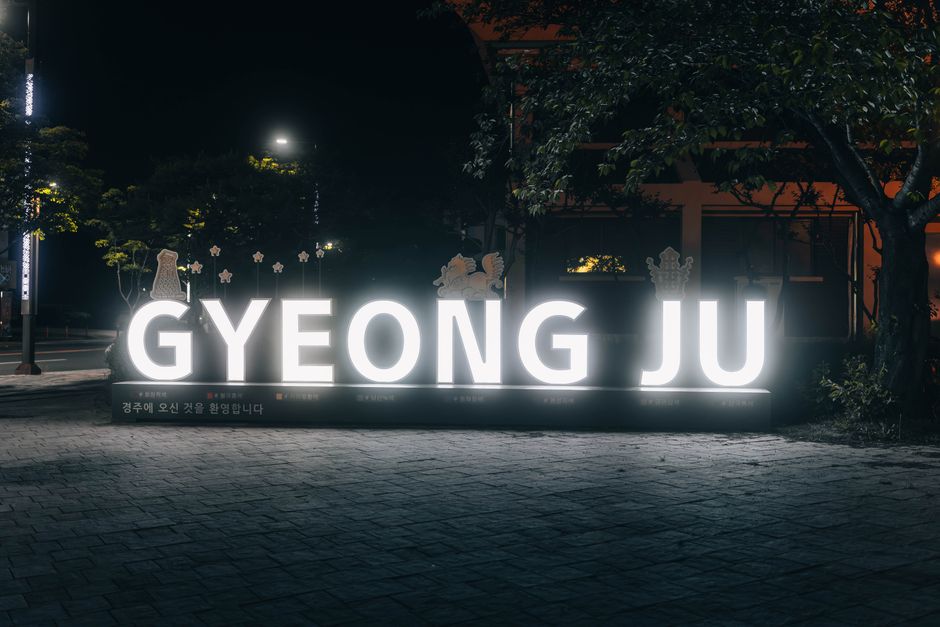
View on MapThe Silla heartland—UNESCO sites, ancient capital, and concentrated heritage. Korea's cultural foundation is visible here.
View on MapThe volcanic island off the southern coast—unique landscape, culture, and semi-tropical climate. Korea's vacation paradise and honeymoon destination.
View on MapKorean cuisine centers on rice, banchan (side dishes), fermented foods, and communal eating. Kimchi accompanies every meal; BBQ is social ritual; stews warm winters; cold noodles cool summers. Drinking culture is intense—soju is the world's best-selling spirit. Street food is excellent and safe. Regional specialties vary significantly.
🔒 Transportation - Available in paid tiers
Everything you need for South Korea - tours, transfers, SIM cards & more

Explore South Korea with guided tours and unique experiences. From day trips to multi-day adventures.

Skip-the-line tickets to top attractions in South Korea. Book ahead and walk right in.

Airport transfers, SIM cards, rail passes - everything you need for smooth travels.
Find the best hotels, hostels, and apartments
Best price across Booking, Expedia, VRBO & more • Powered by Stay22
Health: 🔒 Health - Available in paid tiers
Safety: 🔒 Safety - Available in paid tiers
🔒 Internet - Available in paid tiers
🔒 Money - Available in paid tiers