📖 Singapore Free Sample Guide - FREE
🌞 Sunny Travel Guides
The Confidence To Travel / Never Be Lost
All Guides Journal Free Travel Tips →
Å¾
✉
Singapore Map Overview

🦁 Singapore

Where East Meets West in Perfect Order

🇸🇬 Welcome to Singapore

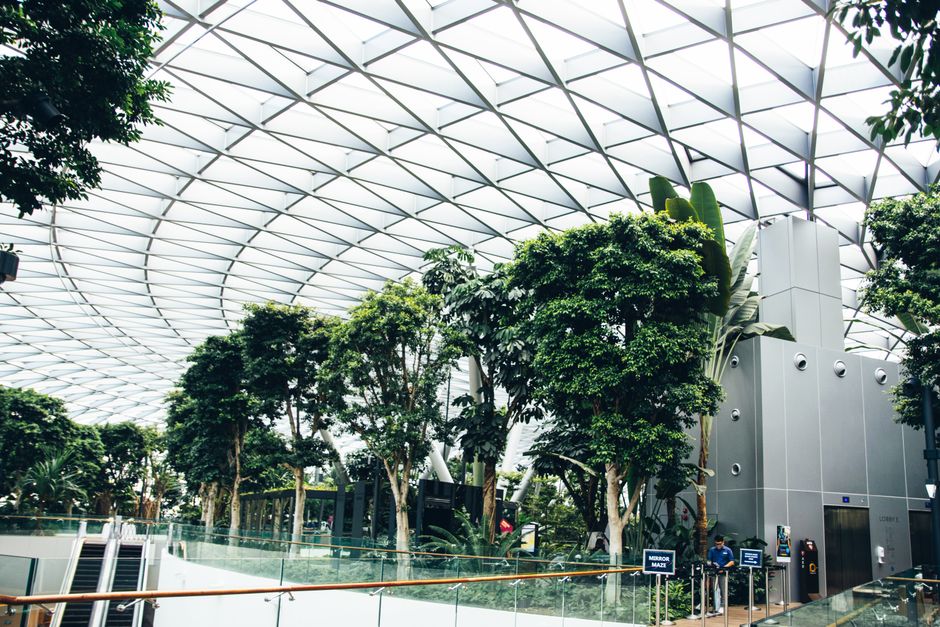
Singapore shouldn't work. A tiny island city-state smaller than New York City, with no natural resources, crammed with 5.7 million people from dozens of ethnic backgrounds, yet it's one of the world's wealthiest, cleanest, safest, and most efficient places. Marina Bay Sands' rooftop infinity pool overlooks Gardens by the Bay's Supertrees—pure science fiction made real. Little India erupts with color, curry aromas, and Tamil music. Chinatown's temples sit beside hipster cafes. Arab Street's Sultan Mosque watches over Muslim shops and trendy boutiques. The hawker centers serve $3 Michelin-starred meals. Everything is air-conditioned, punctual, and rule-bound (chewing gum is technically banned, jaywalking is fined). But within this authoritarian efficiency lives genuine multiculturalism: Chinese, Malay, Indian, and Eurasian cultures coexist, preserve traditions, and blend into something uniquely Singaporean. Yes, it's expensive. Yes, the government is strict. But Singapore delivers an improbably perfect urban experience—spotless, safe, diverse, delicious, and endlessly fascinating.

Population
5.7 million
Area
733 km² (278 sq mi)
Timezone
SGT (UTC+8)
Language
English, Mandarin, Malay, Tamil (4 official languages)
Currency
Singapore Dollar (SGD, S$)
Best Time
February-April (Chinese New Year season, less rain)
Airport
SIN (Changi Airport)

Understanding Singapore's Multicultural Miracle

Singapore's diversity isn't accidental—it's engineered. When the British made Singapore a free port in 1819, Chinese merchants, Indian laborers, Malay natives, and Arab traders flocked to the entrepôt. After independence in 1965, Lee Kuan Yew's government turned potential ethnic conflict into strength through meritocracy, English as common language, and strict multiculturalism. Today 74% are Chinese, 13% Malay, 9% Indian, plus Eurasians and expats. Each group maintains distinct culture: Chinese celebrate Lunar New Year, Malays observe Ramadan, Indians host Deepavali, Christians have Christmas. The government enforces racial quotas in public housing to prevent ethnic enclaves, mandates mother tongue education alongside English, and severely punishes racial/religious conflict. This creates surface harmony some call sterile, but it works—ethnic riots haven't occurred since 1969. The food culture shows it best: Chinese hawker stalls beside Malay satay beside Indian biryani, and everyone eats everything. Singlish—the local English creole mixing English, Mandarin, Malay, Tamil—is unofficial lingua franca. Singapore is authoritarian but not oppressive (unless you break rules). The famous rules—no gum, no jaywalking, no littering—seem excessive until you see the spotless streets and realize fines enforce civic responsibility. Most visitors never encounter them. What you will encounter is efficiency bordering on obsessive: MRT trains arrive precisely on schedule, government services are digital and fast, crime is negligible. It's Asia for beginners—exotic enough to feel foreign, familiar enough to feel comfortable.

⚡ Essential Singapore Tips

• MRT is your best friend: Singapore's Mass Rapid Transit is clean, fast, cheap, air-conditioned, and covers all major areas. Get an EZ-Link card immediately at any MRT station. It works on MRT, buses, and even some shops. Single tickets waste time. The MRT is how locals get around—use it.

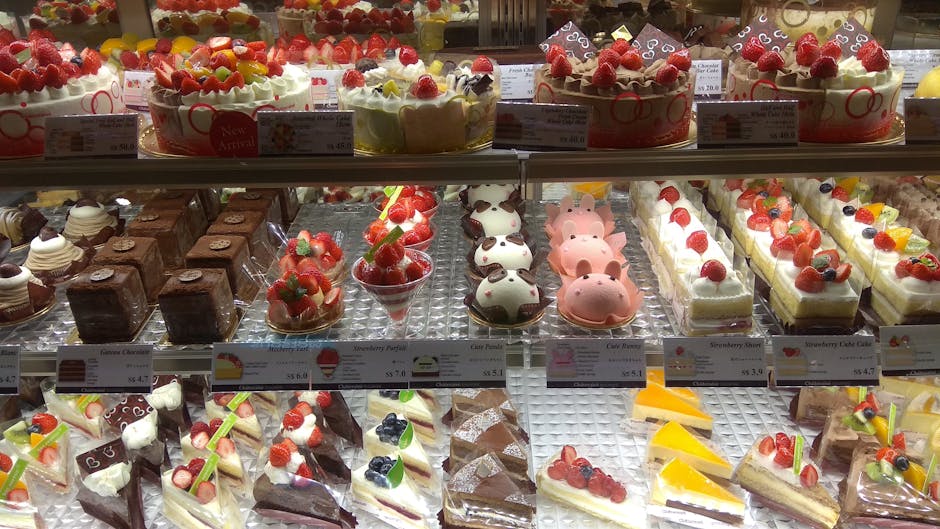
• Hawker centers for cheap incredible food: Government-run food courts serving $3-5 meals from 30+ stalls. Michelin-starred food at hawker prices is real (Chan Hon Meng chicken rice). Go where locals queue—that's quality. Cash only at most stalls, bring small bills. Breakfast, lunch, and dinner all excellent at hawkers.

• Air conditioning is AGGRESSIVE: Bring a light jacket for MRT, shopping malls, and restaurants. Outside is 30°C/86°F and humid; inside is arctic. The temperature shock is real. Layers are essential. Mall-hopping is a Singapore pastime partly because AC feels amazing.

🗺️ Singapore Neighborhoods

Singapore is a city-state divided into planning areas and neighborhoods. Most visitors focus on: Marina Bay for iconic sights, Chinatown for heritage and hawkers, Little India for colorful chaos, Kampong Glam for Arab-Malay culture, Orchard Road for shopping, and Sentosa for beaches and attractions. The MRT connects everything efficiently. Each neighborhood has distinct character despite the small size.

Marina Bay Sands and Singapore skyline at sunset
🏙️ Marina Bay
Modern, iconic, touristy, architectural showcase
Must-See: Marina Bay Sands, Gardens by the Bay, Merlion
Best For: Architecture, photography, rooftop views, futuristic vibes
🚇 Bayfront (CE1), Marina Bay (NS27)
Chinatown shophouses with red lanterns and temples
Photo: Kenny Foo / Pexels
🏮 Chinatown
Heritage, hawker centers, temples, hipster cafes
Must-See: Buddha Tooth Relic Temple, hawker centers, shophouses
Best For: Food, temples, heritage, budget hotels
🚇 Chinatown (NE4, DT19)

🏙️ Marina Bay

🚇 Metro: Bayfront (CE1), Marina Bay (NS27), Raffles Place (NS26, EW14)

Marina Bay
Photo: Shlok Rana / Pexels

Singapore's Futuristic Showcase

Marina Bay didn't exist 30 years ago—it was open sea. The government reclaimed land and created Singapore's most iconic district from scratch. Marina Bay Sands (2010) became instantly iconic: three towers supporting a rooftop 'SkyPark' with infinity pool. Gardens by the Bay (2012) brought science fiction to life with Supertrees—vertical gardens up to 50m tall that glow at night. The whole area screams 'Look what we built!' and represents Singapore's ambition to become global city despite tiny size.

This is where Singapore showcases itself to the world. Every building is architectural statement. The ArtScience Museum resembles a lotus flower. The Helix Bridge mimics DNA structure. Even the Merlion—Singapore's mascot, half-lion half-fish—shoots water into the bay for tourist photos. It's unabashedly touristy and everyone knows it, but the engineering and design are genuinely impressive. The entire waterfront is walkable with interconnected paths, gardens, and public spaces. By day it's modern business district; by evening it transforms into promenade where locals jog and tourists photograph light shows.

Yes, it's expensive. Marina Bay Sands' rooftop pool is hotel guests only (rooms S$400+). The restaurants are upscale. But the public areas are free: walking the waterfront, Gardens by the Bay outdoor areas, Merlion photos, watching the nightly Spectra light show. You can experience Marina Bay on a budget if you skip the paid attractions. Come at sunset when the golden hour light makes everything glow, stay for the 8pm and 9pm light shows, and you've had Singapore's signature experience for free.

🏛️ Top Attractions

Marina Bay Sands SkyPark Observation Deck
Photo: Kee Mee / Pexels
Marina Bay Sands SkyPark Observation Deck
Best Views
💰 S$32 adults, S$26 children 🚇 Bayfront (CE1) 🚶 Direct connection from MRT
The 57th floor observation deck offers 360-degree views of Singapore from 200m up. The iconic infinity pool is visible but only for hotel guests (rooms S$400+). The observation deck is open to everyone for S$32 and gives nearly the same views. You see the entire city, Gardens by the Bay, Marina Bay, out to ships waiting offshore. Best visited at sunset (5:30-6:30pm) to see the transition from day to night, but expect crowds. Early morning (10am opening) is quietest. The deck wraps around one tower so you walk the perimeter seeing different angles. Photography paradise. Book online to skip lines. The price is high for a 30-minute visit, but the views are Singapore's best.
Highlights: 360-degree city views, 200m height, sunset viewing, photography, see Gardens by the Bay from above
📍 View on Map
Gardens by the Bay
Photo: Alvin Chin / Pexels
Gardens by the Bay
Must-See
💰 FREE outdoors, S$53 for both conservatories 🚇 Bayfront (CE1) 🚶 8 min walk from MRT
Singapore's sci-fi garden wonderland. The outdoor gardens are FREE and spectacular—massive Supertrees (25-50m tall vertical gardens) that light up at night, OCBC Skyway elevated walkway between Supertrees, waterfront paths, and beautiful landscaping. The paid attractions are the cooled conservatories: Flower Dome (world's largest columnless greenhouse with Mediterranean plants) and Cloud Forest (indoor waterfall and mountain covered in plants). Both conservatories are impressive—Cloud Forest especially is jaw-dropping with 35m waterfall and misty elevated walkways. But they're expensive (S$53 combo ticket). If budgeting, skip conservatories and just explore free outdoor areas at sunset and evening. The Supertree light show happens nightly at 7:45pm and 8:45pm—free musical light display. Gardens are huge; plan 2-3 hours minimum. Bring water, sunscreen, and camera. MRT connected via climate-controlled walkway.
Highlights: Supertrees with nightly light show, Cloud Forest waterfall, Flower Dome, free outdoor gardens, OCBC Skyway
📍 View on Map
Merlion Park
Photo: ImaHoomaan Delicano / Pexels
Merlion Park
Tourist Essential
💰 FREE 🚇 Raffles Place (NS26, EW14) 🚶 10 min walk
The Merlion—Singapore's half-lion, half-fish national symbol—stands 8.6m tall spouting water into Marina Bay. It's Singapore's most photographed spot despite being, objectively, a kitschy tourist attraction that locals mock. But the Merlion delivers what tourists want: iconic Singapore photo with Marina Bay Sands in background. The park is small, always crowded, and exists purely for photos. Come early morning (7-8am) for fewer crowds and better light. Evening works too when buildings light up. The statue itself is underwhelming up close—this is all about the skyline composition. There's a smaller 'Merlion Cub' nearby. Free 24/7. Spend 10-15 minutes, take your photos, move on. It's touristy but it's also Singapore—embrace it.
Highlights: Iconic photo op, Marina Bay Sands backdrop, water-spouting merlion, free 24/7, Instagram essential
📍 View on Map

🍽️ Dining

Lau Pa Sat (Hawker Center)
Photo: CK Seng / Pexels
Lau Pa Sat (Hawker Center)
Convenient & Historic
💰 S$6-10 per meal 🚇 Raffles Place (NS26, EW14) 🚶 5 min walk
Historic hawker center near Marina Bay in Victorian cast-iron building (1894). It's touristy but convenient for Marina Bay area and the food is still good. Twenty-plus stalls serving satay, chicken rice, char kway teow, Indian rojak, and more. Satay Street (adjacent Boon Tat Street) closes to traffic every evening and becomes outdoor satay grill paradise—smoky, delicious, atmospheric. The satay here is excellent: skewered meat grilled over charcoal, served with peanut sauce, cucumber, and onion. Order from multiple stalls (each specializes). Prices higher than neighborhood hawkers but still cheap by Western standards (S$6-10 per meal). Open 24 hours. AC inside, outdoor seating available. Can get very crowded lunch and dinner—go at off-peak times (3pm or after 9pm) for seats.
Highlights: Victorian building, 24-hour hawker center, Satay Street evening grill, multiple cuisines, AC indoors
📍 View on Map
Makansutra Gluttons Bay
Photo: Ngrh Mei / Pexels
Makansutra Gluttons Bay
Tourist-Friendly Views
💰 S$8-12 per dish 🚇 Esplanade (CC3) 🚶 10 min walk
Outdoor hawker center on the Marina Bay waterfront with skyline views. It's extremely touristy and locals will tell you to go elsewhere, but the location is unbeatable—eating satay while watching Marina Bay Sands light up is peak Singapore. The food quality is decent (not the best in Singapore, but solid). Famous stalls include Fried Oyster Omelette, BBQ Sambal Stingray, and Hainanese Boneless Chicken Rice. Prices are tourist-inflated (S$8-12 per dish) but still reasonable. Open evenings only (5pm-12am), closed Mondays. Seating is all outdoors—nice in evening, hot/humid during day. The views justify the tourist premium if you're already in Marina Bay area and want convenient dinner with a view.
Highlights: Waterfront dining, Marina Bay views, multiple hawker stalls, outdoor seating, evening hours only
📍 View on Map
CÉ LA VI Sky Bar
Photo: Elina Sazonova / Pexels
CÉ LA VI Sky Bar
Best Views
💰 $$$ 🚇 Bayfront MRT 🚶 At MBS
Rooftop bar and restaurant atop Marina Bay Sands. Cocktails with infinity pool views (pool for hotel guests only).
Highlights: 57th floor, skyline views, sunset cocktails
📍 View on Map

🏮 Chinatown

🚇 Metro: Chinatown (NE4, DT19), Outram Park (EW16, NE3), Telok Ayer (DT18)

Chinatown
Photo: Kenny Foo / Pexels

Heritage Meets Hipster

Chinatown is where Chinese immigrants settled starting in the 1820s, creating dense neighborhood of clan associations, temples, and shophouses. The area fell into decay by the 1970s but aggressive conservation saved the shophouses—now gentrified into cafes, boutiques, and hostels alongside traditional medicine shops, goldsmiths, and temples. It's simultaneously heritage preserved and hipster playground, which creates interesting mix tourists love and purists critique.

The temples are genuinely significant: Buddha Tooth Relic Temple (2007) houses supposed relic of Buddha's tooth; Sri Mariamman Temple (1827) is Singapore's oldest Hindu temple, incongruously located in Chinatown because Indian laborers lived here too; Thian Hock Keng Temple (1842) is beautiful Hokkien temple built by sailors grateful for safe passage. These aren't just tourist attractions—they're active places of worship. Respectful behavior and dress required. The contrast between ancient temples and trendy cafes in renovated shophouses defines modern Chinatown.

Chinatown also contains some of Singapore's best hawker centers: Maxwell Food Centre and Chinatown Complex. These are where locals eat—cheap, authentic, crowded, and delicious. The neighborhood is compact and walkable. Come for temples in morning (cooler, better light), food at lunch, and evening shopping when the streets close to traffic and vendors set up outdoor stalls.

🏛️ Top Attractions

Buddha Tooth Relic Temple
Photo: sephylmism / Pexels
Buddha Tooth Relic Temple
Must-See
💰 FREE (donations appreciated) 🚇 Chinatown (NE4, DT19) 🚶 2 min walk from MRT
Grand Buddhist temple (completed 2007) built in Tang Dynasty style, housing a tooth relic supposedly from Buddha. Free entry but donations appreciated. The interior is ornate: gold everywhere, hundreds of Buddha statues, intricate carvings. The tooth relic is on fourth floor in solid gold stupa—you can see the stupa through glass but not the tooth itself. The rooftop has a beautiful garden and rotating prayer wheel. Temple museum on third floor explains Buddhist art and history. Photography restrictions inside—no photos in main prayer halls, museum photography S$20 permit. Dress modestly: covered shoulders and knees, no shoes inside. Best visited morning (temple opens 9am) when it's quieter. Free, but expect to be asked for donations. Plan 45-60 minutes. The basement vegetarian restaurant serves cheap meals.
Highlights: Buddha tooth relic, Tang Dynasty architecture, rooftop garden, free entry, museum, vegetarian restaurant
📍 View on Map
Thian Hock Keng Temple
Photo: Jeremy Rubio / Pexels
Thian Hock Keng Temple
Architectural Gem
💰 FREE 🚇 Telok Ayer (DT18) 🚶 3 min walk from MRT
Singapore's oldest and most beautiful Hokkien temple (1842). Built by Chinese sailors and immigrants grateful for safe passage across the South China Sea. Dedicated to Mazu, goddess of the sea. The architecture is stunning: ornate roof decorations, carved granite pillars, ceramic sculptures, courtyard layout. No nails were used in original construction—everything fitted together. The temple sits where shoreline used to be (before land reclamation moved the coast). Free entry. Respectful dress required. Photography allowed in courtyard, ask permission inside. Morning visiting is best (cooler, better light). Less crowded than Buddha Tooth Temple but architecturally more impressive. UNESCO recognition as heritage site. The detail in carvings and decorations rewards close observation. Plan 30-45 minutes.
Highlights: Oldest Chinese temple, ornate architecture, no-nails construction, Mazu goddess shrine, free entry, UNESCO site
📍 View on Map
Chinatown Heritage Centre
Photo: Sumitomo Tan / Pexels
Chinatown Heritage Centre
Social History
💰 S$15 adults, S$10 children 🚇 Chinatown (NE4, DT19) 🚶 5 min walk from MRT
Small museum recreating cramped living conditions of 1950s Chinatown immigrants. Three shophouse floors show how multiple families shared tiny spaces in 'cubicle' housing—sleeping quarters separated only by curtains. Mannequins, artifacts, and audio create atmosphere. It's sobering to see how recently Singaporeans lived in such conditions (government public housing ended this by 1980s). The recreated opium den, tailor shop, and provision shop are detailed. Audio guide included. Takes about an hour. The museum shop sells vintage Singapore posters and books. Less impressive than bigger museums but the subject matter—immigrant hardship and rapid development—is important to understanding modern Singapore. Worth it if you're interested in social history.
Highlights: Recreated 1950s shophouse living, cubicle housing exhibition, immigrant hardship stories, audio guide included
📍 View on Map

🍽️ Dining & Hawker Centers

Chinatown Complex Food Centre
Photo: Kenny Foo / Pexels
Chinatown Complex Food Centre
Best Hawker Center
💰 S$3-6 per meal 🚇 Chinatown (NE4, DT19) 🚶 2 min walk from MRT
Massive hawker center on second floor of Chinatown Complex—over 200 stalls serving everything imaginable. This is where locals eat. Two Michelin-starred stalls: Liao Fan Hong Kong Soya Sauce Chicken Rice & Noodle (famous worldwide, lines are insane—arrive at 10:30am opening or after 2pm) and Jian Bo Shui Kueh. But dozens of other stalls are equally good with zero wait. Highlights: Ah Tai Hainanese Chicken Rice, Lian He Ben Ji Claypot Rice, Jin Hua Fish Head Bee Hoon, J2 Famous Crispy Curry Puff. Prices are S$3-6 per meal—this is Singapore's cheapest food that's also excellent. Cash only at most stalls. Seating is communal tables. Busy at lunch (12-1:30pm) and dinner (6-7:30pm)—go at off-peak times for seats. First floor is wet market (fish, meat, vegetables). Authentic, crowded, fantastic.
Highlights: 200+ hawker stalls, two Michelin-starred options, S$3-6 meals, local crowd, Liao Fan chicken rice
📍 View on Map
Maxwell Food Centre
Photo: Luna Ngô / Pexels
Maxwell Food Centre
Tourist-Friendly Hawker
💰 S$3.50-7 per meal 🚇 Chinatown (NE4, DT19) 🚶 5 min walk from MRT
Smaller, more tourist-friendly hawker center but still excellent. Famous for Tian Tian Hainanese Chicken Rice (boiled chicken with rice cooked in chicken stock and ginger-chili sauce)—Anthony Bourdain featured it, so lines are long. Arrive at 11am opening or after 2pm. Other great stalls: Zhen Zhen Porridge (congee with various toppings), China Street Fritters (you tiao fried dough), and Old Amoy Chendol (dessert). The chicken rice is genuinely good—tender chicken, fragrant rice, excellent chili sauce—but other stalls are less crowded and equally tasty. Seating is communal. Cash only at most stalls. Gets packed 12-1pm. Conveniently located near Buddha Tooth Temple and MRT. More AC and shelter than Chinatown Complex, so more comfortable in afternoon heat. Prices S$3.50-7.
Highlights: Tian Tian chicken rice (Anthony Bourdain famous), congee, you tiao, convenient location, AC seating
📍 View on Map
Tong Heng Pastry Shop
Photo: Jamin Djuang / Pexels
Tong Heng Pastry Shop
Historic Bakery
💰 S$1.50-3 per piece 🚇 Chinatown (NE4, DT19) 🚶 6 min walk from MRT
Traditional Cantonese bakery since 1895—oldest in Singapore. Famous for egg tarts (crispy puff pastry, smooth custard filling), wife biscuits, and traditional Chinese pastries. The egg tarts are excellent: flaky crust, not-too-sweet filling, served fresh. Also try wife biscuits (sweet winter melon filling), walnut cookies, and almond cookies. Everything is made daily. Popular with locals getting breakfast or afternoon snacks. Prices are cheap (S$1.50-3 per piece). No seating—it's take-away only. Open daily 9am-10pm. Peak times (weekend afternoons) sell out—arrive in morning for best selection. The shop itself is tiny hole-in-wall but the queue outside marks quality. Cash preferred.
Highlights: Egg tarts, traditional Chinese pastries, established 1895, cheap prices, local favorite
📍 View on Map

🚇 Getting Around

🔒 Getting Around - Available in paid tiers

🏨 Where to Stay

🔒 Where to Stay - Available in paid tiers

🍜 Food Guide

🔒 Food Guide - Available in paid tiers

Must-Try Dishes

💡 Dining Tips

Book Tours & Travel Essentials

Everything you need for Singapore - tours, transfers, SIM cards & more

🚐 Day Trips & Tours

⭐ Things to Do

✈️ Travel Essentials

🔍 Search All Klook Experiences

Klook.com

🏨 Book Your Stay in Singapore

Find the best hotels, hostels, and apartments

🏨
Hotels
All star ratings
🛌️
Hostels
Budget-friendly
🏠
Apartments
Home comforts
Resorts
Luxury stays
🔍 Search All Stays in Singapore

Best price across Booking, Expedia, VRBO & more • Powered by Stay22

📋 Practical Information

🔒 Practical Info - Available in paid tiers

🌞 Sunny Travel Guides

The Confidence To Travel / Never Be Lost

© 2026 Sunny Travel Guides. All rights reserved.

🔍§ DEV MODE ACTIVE - Click venue photos to mark for replacement, click descriptions to edit

Â¸ Photo Replacement

Queue empty
0 photos marked on this page

Â Content Editor

0 descriptions edited

Ready to explore more?

Choose your guide level and get instant access

NEXT →