🇰🇷 Welcome to Seoul
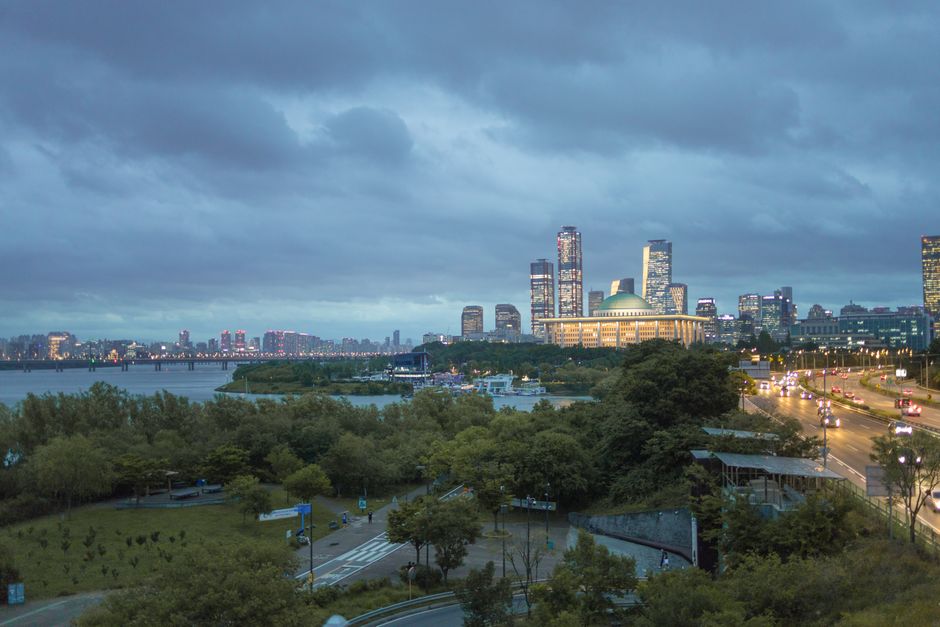
Seoul is a city of controlled contradictions: 600-year-old palaces sit beneath glass skyscrapers, Buddhist temples neighbor neon-lit gaming cafes, and grandmothers in hanbok share subway cars with K-pop idols in designer streetwear. This megalopolis of 10 million pulses with an intensity that makes Tokyo look sleepy—restaurants and bars stay open until dawn, convenience stores never close, and the collective drive to work, achieve, and perfect pervades everything from street food to skincare. Yet Seoul also offers unexpected tranquility: hiking trails within city limits lead to fortress walls and mountain temples, the Han River parks buzz with cyclists and picnickers, and the traditional hanok villages preserve courtyard homes where time slows. The food alone justifies the trip: Korean BBQ sizzling at your table, bubbling stews of kimchi and tofu, fried chicken delivered to parks at midnight, and street snacks from rice cakes to egg bread. Add world-class museums, a fashion scene that influences global trends, and a nightlife that spans from sophisticated cocktail bars to chaotic soju tents, and you have Asia's most underrated major city.
Understanding Seoul
Korean culture is built on concepts that don't translate easily: jeong (deep emotional bonds), nunchi (reading social situations), ppalli-ppalli (hurry-hurry culture), and han (collective sorrow). Seoul embodies all of these. The city's modern miracle—from war rubble to tech superpower in 60 years—comes with costs: intense work culture, academic pressure, and an appearance-consciousness that fuels both the beauty industry and social anxiety. Confucian hierarchy still matters: age and status determine who pours drinks, who bows deeper, who speaks first. As a visitor, you'll experience legendary hospitality; Koreans take genuine pride in sharing their culture. Learn basic Korean phrases—attempts are deeply appreciated even when clumsy. K-pop and K-dramas have made Seoul cool to younger travelers, but the real depth lies in understanding that this ancient kingdom became a democratic, prosperous society within living memory, and that journey shapes everything from politics to art to how strangers treat each other on the subway.
⚡ Essential Seoul Tips
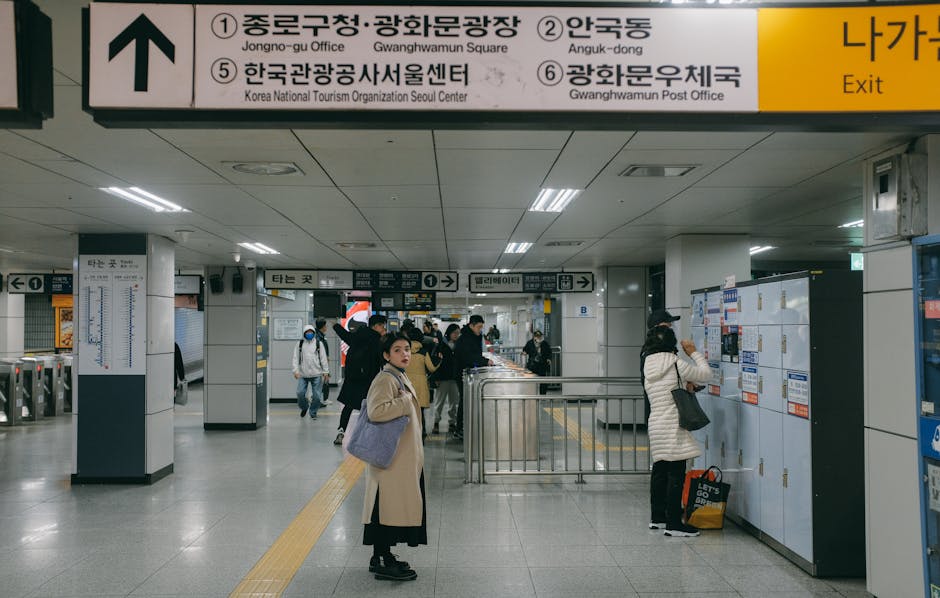
• Get a T-money card immediately at any convenience store (₩4,000). It works on all subways, buses, and taxis, and saves money versus single tickets. The subway is exceptional—clean, efficient, cheap, with English signage everywhere.
• Download Naver Map or KakaoMap—Google Maps is unreliable in Korea due to security laws. These local apps have English modes and work infinitely better for navigation, transit, and finding restaurants.
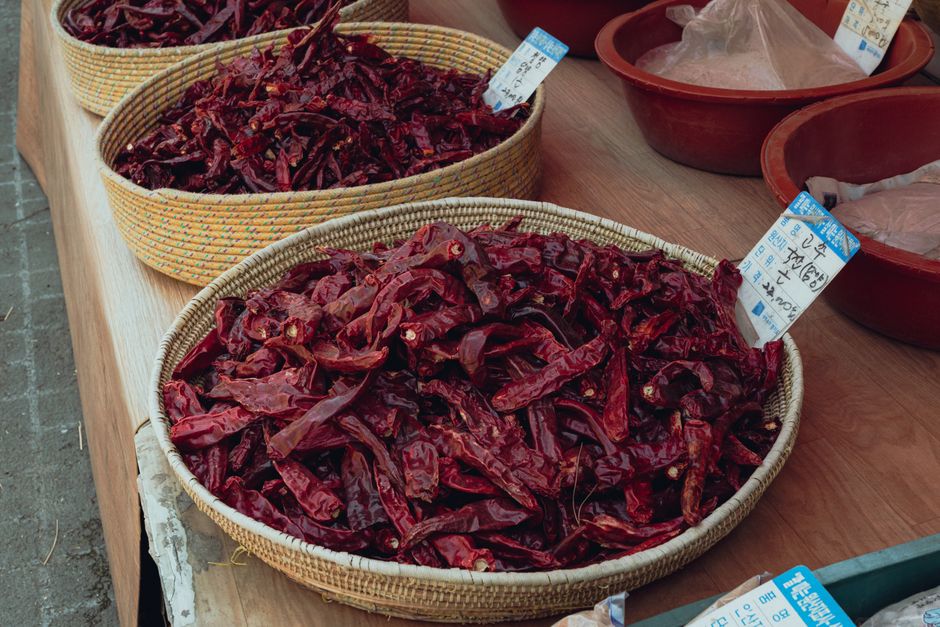
• Korean restaurants often specialize in ONE dish. Don't ask a BBQ place for bibimbap. The specialization means exceptional quality—find the 'best' version of each dish rather than restaurants serving everything.
🔍 Search Seoul
🗺 Interactive Seoul Map
🧭 Quick Navigation
🗺️ Seoul Districts
Seoul sprawls but the subway makes it manageable. The Han River divides the city: north (Gangbuk) holds palaces, traditional areas, and younger/artsy neighborhoods; south (Gangnam) is wealthy, modern, and corporate. Most tourists focus on Jongno (palaces), Myeongdong (shopping), Hongdae (nightlife), and Gangnam (K-pop agencies, upscale dining).
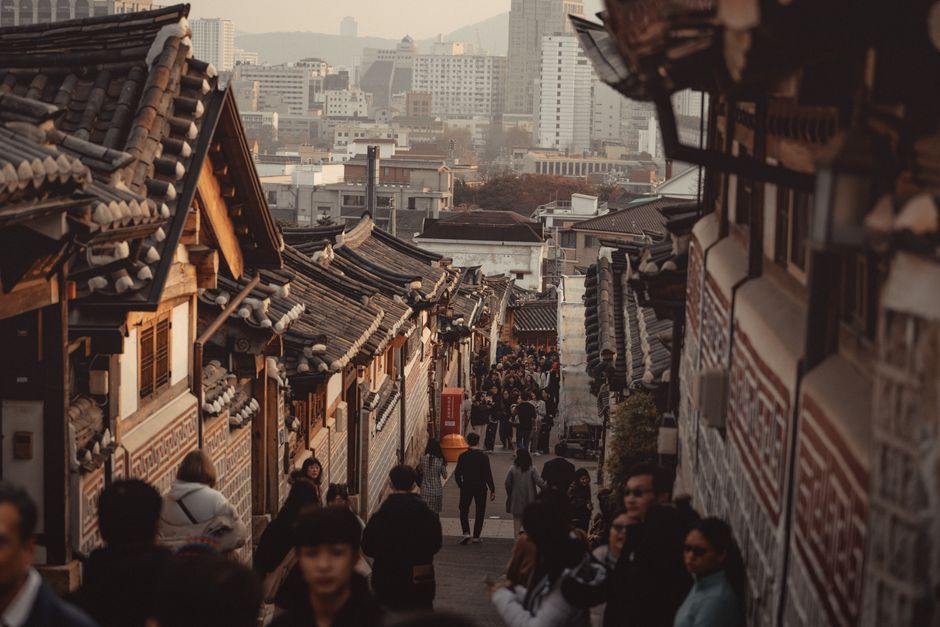
Best For: First-time visitors, history buffs, photographers
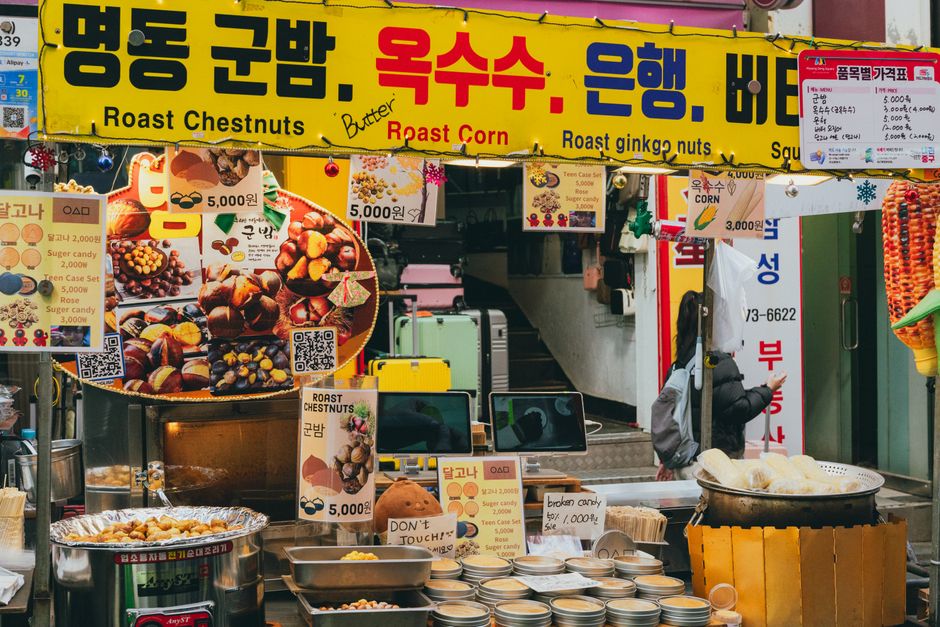
Best For: Shopping, skincare, street food, central location
🏯 Jongno & Bukchon
🚇 Metro: Gyeongbokgung (Line 3), Anguk (Line 3), Jongno 3-ga (Lines 1, 3, 5)
The Heart of Joseon
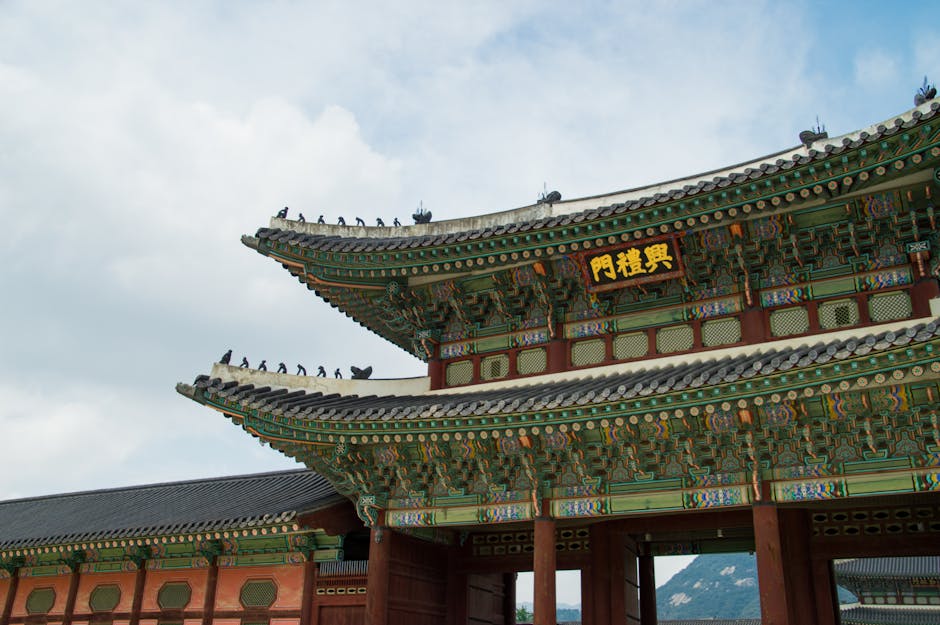
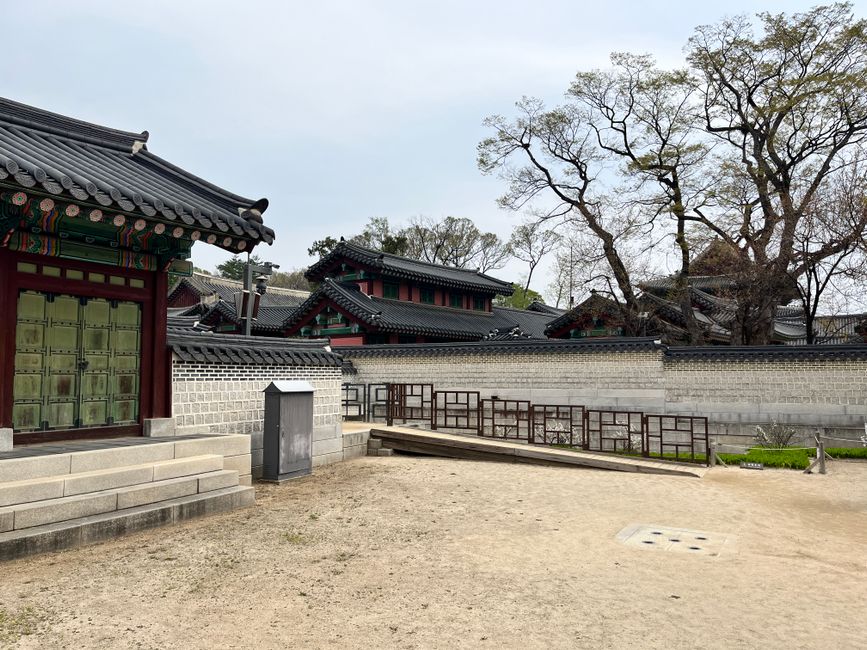
Jongno ('Bell Street') has been Seoul's center for 600 years, since the Joseon Dynasty established its capital here in 1394. Gyeongbokgung Palace anchors the district—this was Korea's main royal palace until Japanese colonizers destroyed much of it. The surrounding neighborhoods preserve the old city's fabric: Bukchon's hanok (traditional courtyard houses), Insadong's art galleries and tea houses, and Samcheong-dong's galleries.
This is where you feel Korea's continuity most strongly—the palace, rebuilt through decades of effort, stands as a symbol of cultural resilience. Changing of the guard ceremonies, hanbok rentals (free palace entry if wearing one), and traditional craft shops make this the essential first-day Seoul experience. Come at opening time to beat tour groups.
🏛️ Must-See Attractions

🍽️ Restaurants
🎸 Hongdae
🚇 Metro: Hongik University Station (Line 2, AREX), Exit 9

Youth Culture Central
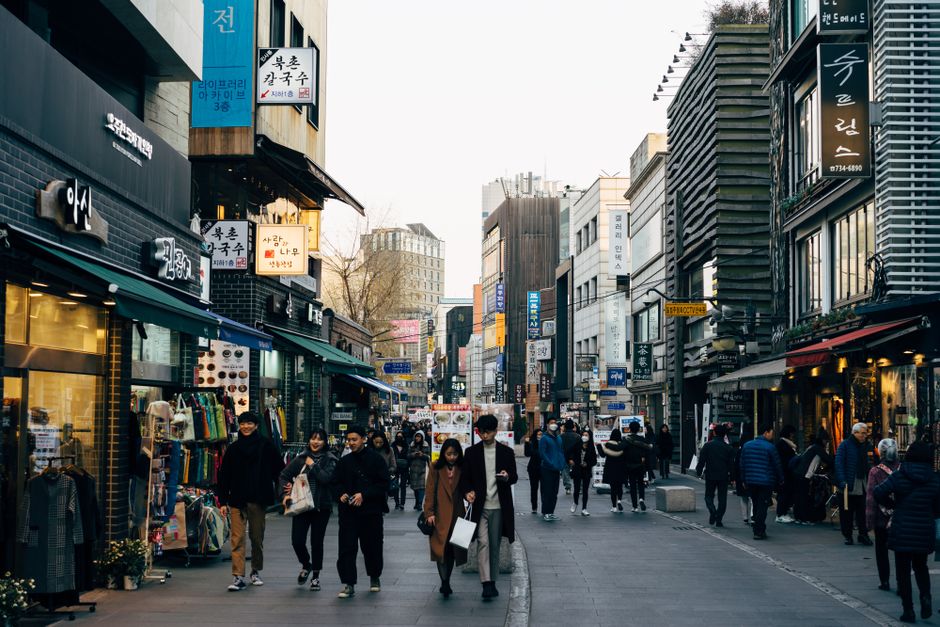
Hongdae takes its name from Hongik University, Korea's top art school. What began as a student neighborhood of cheap rents and indie clubs has become Seoul's undisputed youth culture hub. The streets overflow with buskers, indie fashion, themed cafes, and clubs where tomorrow's K-pop hits get tested. It's loud, young, and chaotic—the opposite of traditional Jongno.
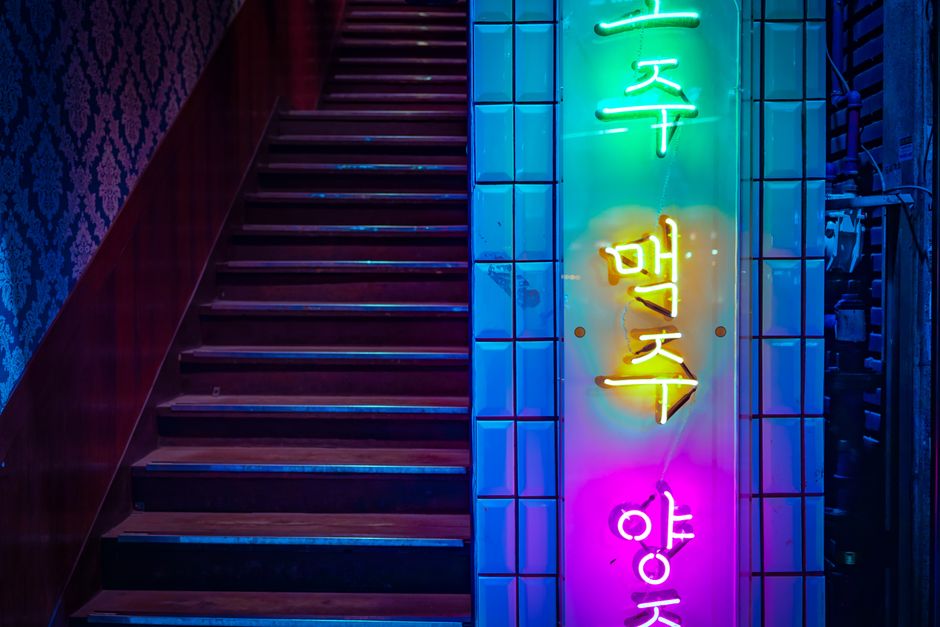
The energy peaks from Thursday through Saturday when club-hopping continues until sunrise. But Hongdae isn't just nightlife: the daytime offers vintage shops, unique cafes (cat cafes, VR cafes, board game cafes), and some of Seoul's best budget eats. The connecting neighborhoods of Yeonnam-dong (hip, quieter) and Mangwon (local, gentrifying) offer escape when Hongdae's main drag overwhelms.
🎸 Nightlife & Entertainment

🍽️ Food & Drink


🚇 Getting Around
🔒 Getting Around - Available in paid tiers
🏨 Where to Stay
🔒 Where to Stay - Available in paid tiers
🍜 Food Guide
🔒 Food Guide - Available in paid tiers
Must-Try Dishes
💡 Dining Tips
🎯 Book Activities in Seoul
Tours, attractions, experiences & more
Powered by Klook • Best price guaranteed
🏨 Book Your Stay in Seoul
Find the best hotels, hostels, and apartments
Best price across Booking, Expedia, VRBO & more • Powered by Stay22
📋 Practical Information
🔒 Practical Info - Available in paid tiers🌞 Sunny Travel Guides
The Confidence To Travel / Never Be Lost
© 2026 Sunny Travel Guides. All rights reserved.