📖 Rome Free Sample Guide - FREE
🌞 Sunny Travel Guides
The Confidence To Travel / Never Be Lost
All Guides Journal Free Travel Tips →
Å¾
✉
Rome Map Overview

🏛️ Rome

The Eternal City Where Every Stone Tells a Story

🇮🇹 Welcome to Rome

Rome doesn't just contain history—it lives and breathes it. The Colosseum still dominates the skyline as it did when gladiators fought. The Pantheon's dome, nearly two millennia old, remains the world's largest unreinforced concrete dome. Renaissance churches sit atop Roman temples built on Etruscan foundations. This layering is Rome's magic: you walk streets where Caesar walked, dine in piazzas designed by Bernini, and sleep in buildings older than most nations. But Rome isn't a museum. Romans squeeze Vespas through ancient alleys, conduct business in baroque palazzi, and treat masterpieces as neighborhood decoration. The city's rhythm is Mediterranean—late dinners, long lunches, afternoon lulls, evening passeggiate. The chaos is genuine (traffic is impossible, bureaucracy is Byzantine), but so is the beauty. A perfect espresso at a marble bar, a plate of cacio e pepe in a Trastevere trattoria, sunset from the Pincian Hill—Rome offers daily pleasures that other cities reserve for special occasions.

Population
2.8 million (city), 4.3 million (metro)
Area
1,285 km²
Timezone
CET (UTC+1, +2 in summer)
Language
Italian (English in tourist areas)
Currency
Euro (€)
Best Time
April-May, September-October (mild weather, manageable crowds)
Airport
FCO (Fiumicino Leonardo da Vinci), CIA (Ciampino)

Understanding Rome

Rome overwhelms first-time visitors with its density of attractions. The historic center is walkable but vast; prioritizing is essential. The ancient core (Colosseum, Forum, Palatine) requires half a day minimum. Vatican City—technically a separate country—demands another half-day at least. Between these anchors lie the Renaissance and Baroque layers: Piazza Navona, the Trevi Fountain, the Spanish Steps, and countless churches containing masterpieces that would headline museums elsewhere. Romans have perfected the art of enjoying life amid this weight of history. Coffee is drunk standing at bars—quick, strong, social. Lunch can stretch for hours. Dinner rarely starts before 8pm. Sunday is sacred to family. Understanding this rhythm helps visitors: fight the crowds at major sites in early morning, rest during afternoon lull, and come alive again for evening aperitivo and late dinner. The tourist infrastructure is well-developed but can feel extractive; the best experiences come from wandering into neighborhood bars and trattorias away from the obvious paths.

⚡ Essential Rome Tips

• Book major sites in advance: Colosseum, Vatican Museums, and Borghese Gallery require timed reservations. Without booking, you'll wait 2-3 hours or miss out entirely. Book at official sites to avoid markup.

• Dress codes matter for churches: covered shoulders and knees required at St. Peter's, the Sistine Chapel, and most major churches. Carry a scarf or light layer. Guards will turn you away without discussion.

• Coffee culture: espresso is drunk standing at the bar (sitting costs more). Say 'un caffè' for espresso—what Italians mean by coffee. Cappuccino is breakfast only; ordering after 11am marks you as a tourist.

🗺️ Rome Neighborhoods

Rome's centro storico (historic center) contains most attractions within walking distance, though 'walking distance' can mean 30-45 minutes between sites. Ancient Rome clusters around the Colosseum. The Vatican is across the Tiber to the northwest. Between them lie the Renaissance and Baroque layers: Piazza Navona, Campo de' Fiori, the Trevi Fountain, and Spanish Steps. Trastevere, across the river, offers the most charming neighborhood for dining and evening atmosphere.
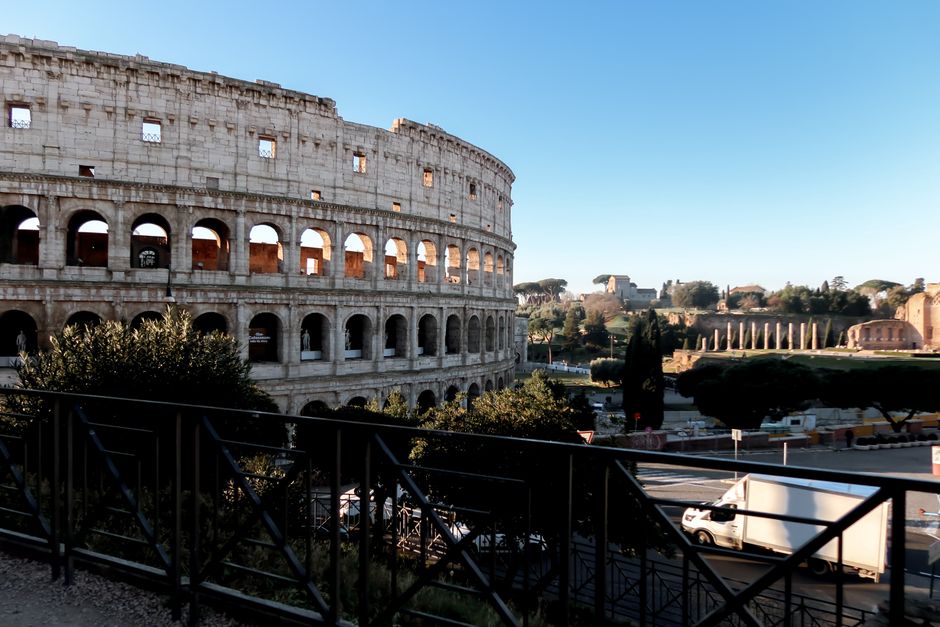
Colosseum and Roman Forum ruins
🏛️ Ancient Rome (Colosseum & Forum)
Ancient ruins, archaeological core, tourist crowds
Must-See: Colosseum, Roman Forum, Palatine Hill
Best For: Ancient history, archaeology, first-time visitors
🚇 Metro B: Colosseo
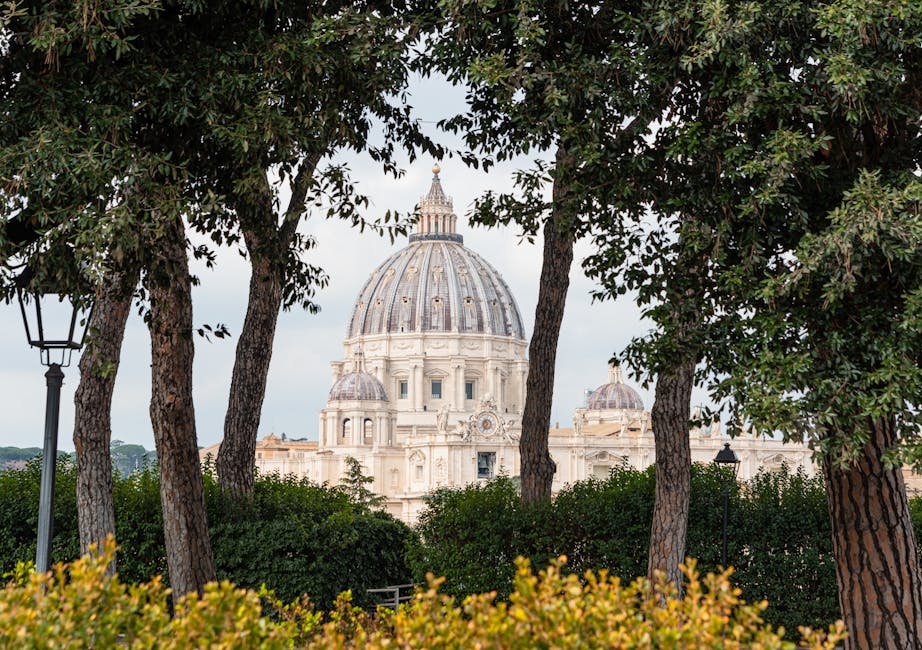
St Peter's Basilica and Vatican
⛪ Vatican City & Prati
Religious monuments, museums, residential Prati
Must-See: St. Peter's Basilica, Vatican Museums, Sistine Chapel
Best For: Religious sites, Renaissance art, Michelangelo
🚇 Metro A: Ottaviano

🏛️ Ancient Rome

🚇 Metro B: Colosseo (direct access to Colosseum)
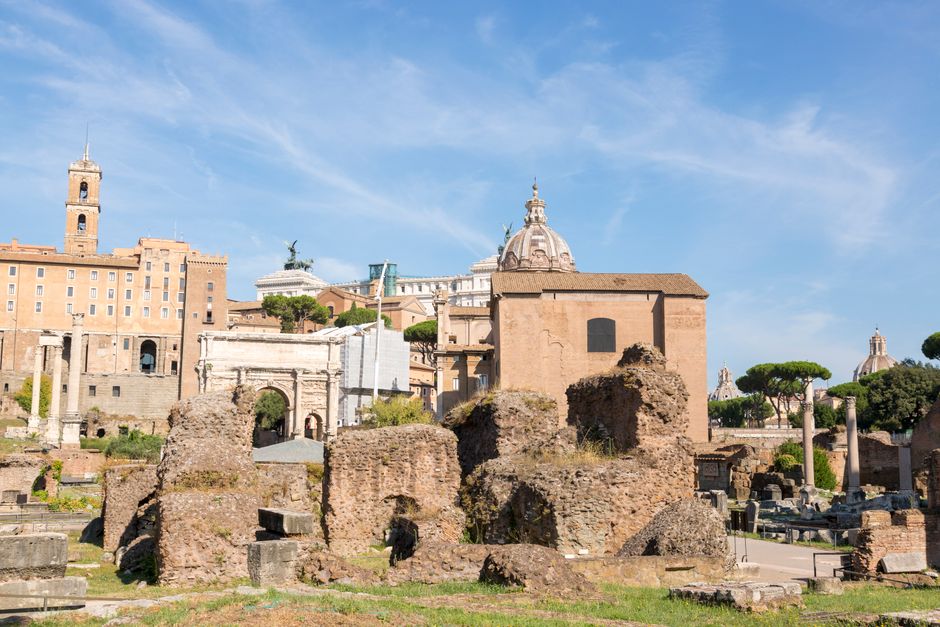
Ancient Rome
Photo: Valentin Ivantsov / Pexels

The Heart of Empire

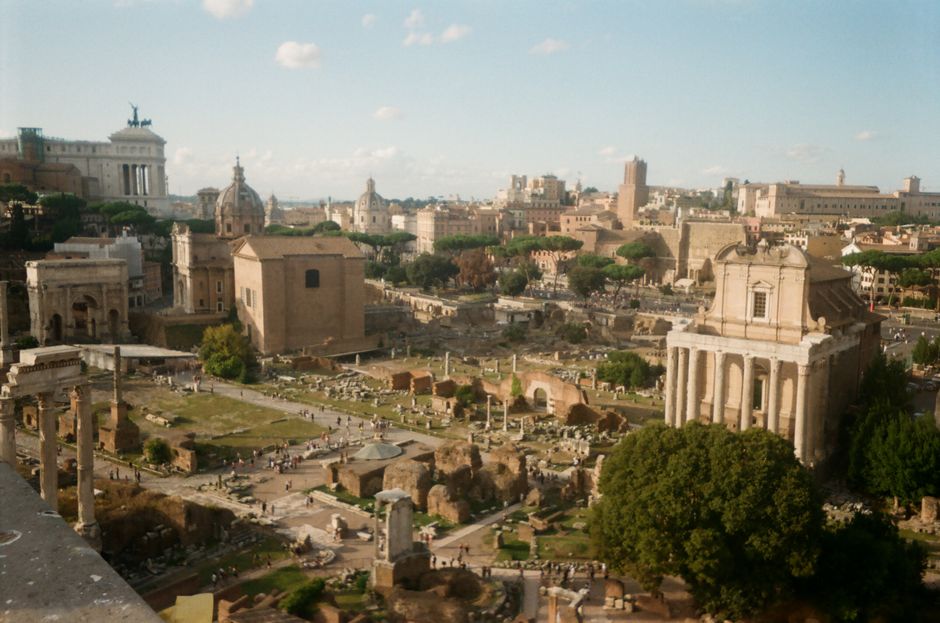
This archaeological zone was the center of the ancient world—the political, religious, and social heart of an empire spanning from Britain to Mesopotamia. The Roman Forum's ruined temples and basilicas once witnessed Caesar's funeral, Cicero's orations, and the daily business of governing millions. The Colosseum held 50,000 spectators for gladiatorial combat and public spectacles.

Walking these grounds requires imagination to reconstruct vanished grandeur. The Forum's jumbled stones were once marble-clad temples; the Palatine Hill above held imperial palaces; the Colosseum's stripped interior once featured elaborate staging machinery. What remains is still staggering—the Colosseum's engineering, the Arch of Constantine's propaganda, the Forum's sense of scale.

The area is purely archaeological—no residential neighborhood exists here. Dining options are tourist traps; come for the ruins and eat elsewhere. The combined Colosseum/Forum/Palatine ticket provides full access; guided tours add essential context to what otherwise looks like rubble. Morning visits beat the heat and crowds.

🏛️ Ancient Sites

Colosseum
Photo: Ariadne Barroso / Pexels
Colosseum
Essential Rome
💰 €16 (combined with Forum/Palatine); €24 with underground 🚇 Metro B: Colosseo 🚶 Direct metro access
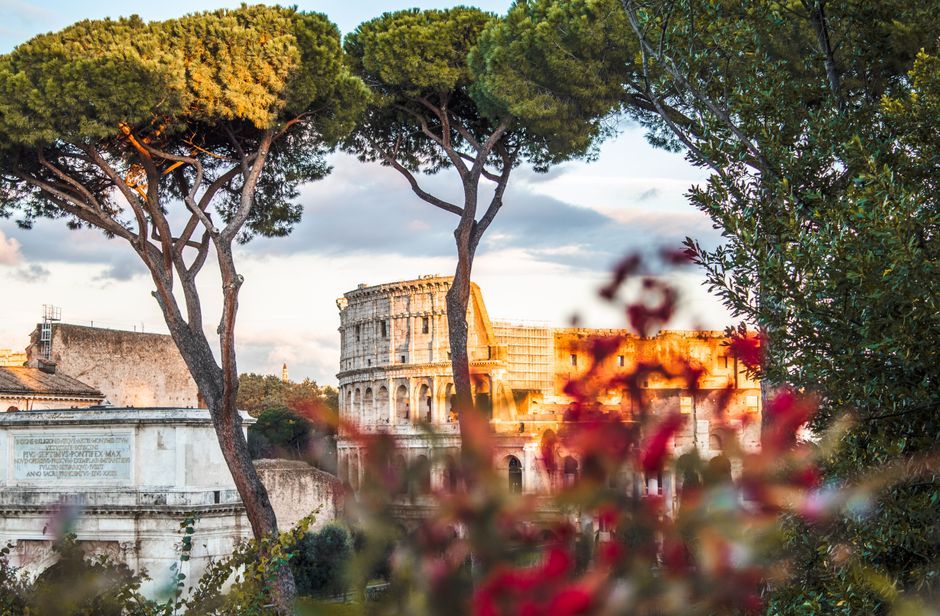
The iconic amphitheater built 70-80 AD, once seating 50,000 for gladiatorial combat, animal hunts, and public spectacles. The engineering remains impressive: trapdoors, elevators for animals, retractable awning system. Book timed tickets in advance—walk-up lines are 2-3 hours. Underground and upper tier tours offer additional access.
Highlights: Book ahead essential, underground tour recommended, 50,000 capacity, 70-80 AD
📍 View on Map
Roman Forum
Photo: Alina Rossoshanska / Pexels
Roman Forum
Ancient Heart
💰 Included with Colosseum ticket 🚇 Metro B: Colosseo 🚶 Adjacent to Colosseum
The political and religious center of ancient Rome—ruined temples, basilicas, and arches marking where the Republic and Empire conducted business. Included with Colosseum ticket. Allow 2-3 hours to explore properly. The Via Sacra processional route, Temple of Saturn, and Arch of Titus are highlights. A guide or audio tour is essential for understanding the jumbled ruins.
Highlights: Included with Colosseum, Via Sacra, Temple of Saturn, needs context/guide
📍 View on Map
Palatine Hill
Photo: Анна Пономаренко / Pexels
Palatine Hill
Imperial Views
💰 Included with Colosseum ticket 🚇 Metro B: Colosseo 🚶 Above Roman Forum
The legendary founding site of Rome and later home to imperial palaces. The ruins are less dramatic than the Forum but the elevated views over the Forum and Circus Maximus are spectacular. Gardens provide shade. Often less crowded than Forum below. Included in Colosseum ticket.
Highlights: Best views, less crowded, imperial palaces, included ticket
📍 View on Map

🍽️ Nearby Dining

Luzzi
Photo: Julius Silver / Pexels
Luzzi
Rare Good Option
💰 €12-20 per person 🚇 Metro B: Colosseo 🚶 5 min from Colosseum
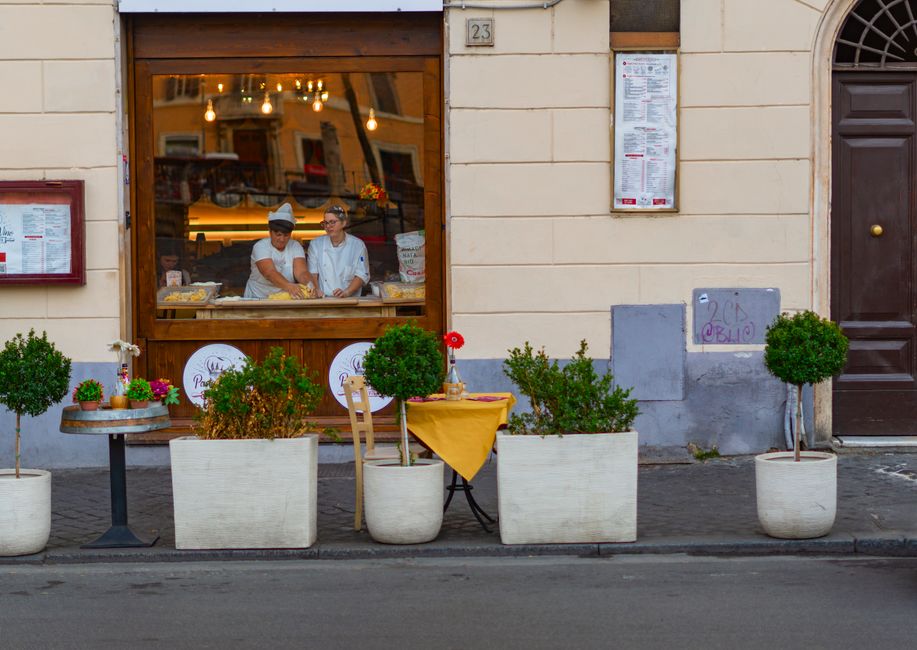
No-frills trattoria popular with locals despite Colosseum proximity—a rarity. The Roman pastas (carbonara, amatriciana, cacio e pepe) are solid and reasonably priced. Outdoor seating on the street. Cash preferred. One of few legitimate options in the area.
Highlights: Local despite location, Roman classics, cash preferred, outdoor seating
📍 View on Map
Aroma Restaurant
Photo: Oscar Ruiz / Pexels
Aroma Restaurant
View Splurge
💰 €100-200 per person 🚇 Metro B: Colosseo 🚶 At Palazzo Manfredi hotel
Fine dining with the most dramatic Colosseum view in Rome—literally facing the ancient arena. The cuisine is creative Italian; the setting is extraordinary. Reservations essential, especially for terrace. Expensive but the view justifies occasion dining.
Highlights: Colosseum view, fine dining, reservations essential, occasion worthy
📍 View on Map
Caffè Propaganda
Photo: Angelos Lamprakopoulos / Pexels
Caffè Propaganda
Stylish All-Day
💰 €10-30 🚇 Metro B: Colosseo 🚶 5 min from Colosseum
Stylish café and bistro near the Colosseum offering all-day service—a rarity in Rome. Good for breakfast, coffee breaks, or evening cocktails. The Art Deco interior is appealing. One of few atmospheric options in the archaeological zone.
Highlights: All-day service, art deco interior, cocktails, near Colosseum
📍 View on Map

⛪ Vatican City & Prati

🚇 Metro A: Ottaviano (Vatican Museums) or Cipro (St. Peter's approach)

Vatican City & Prati
Photo: Duc Tinh Ngo / Pexels

The Smallest Country, The Biggest Church

Vatican City is an independent nation—the smallest in the world at 0.44 square kilometers, governed by the Pope. The Swiss Guards at the gates aren't costume; they're the world's smallest army protecting a sovereign state. This theocracy exists because of complex 19th-century politics resolving centuries of papal temporal power.

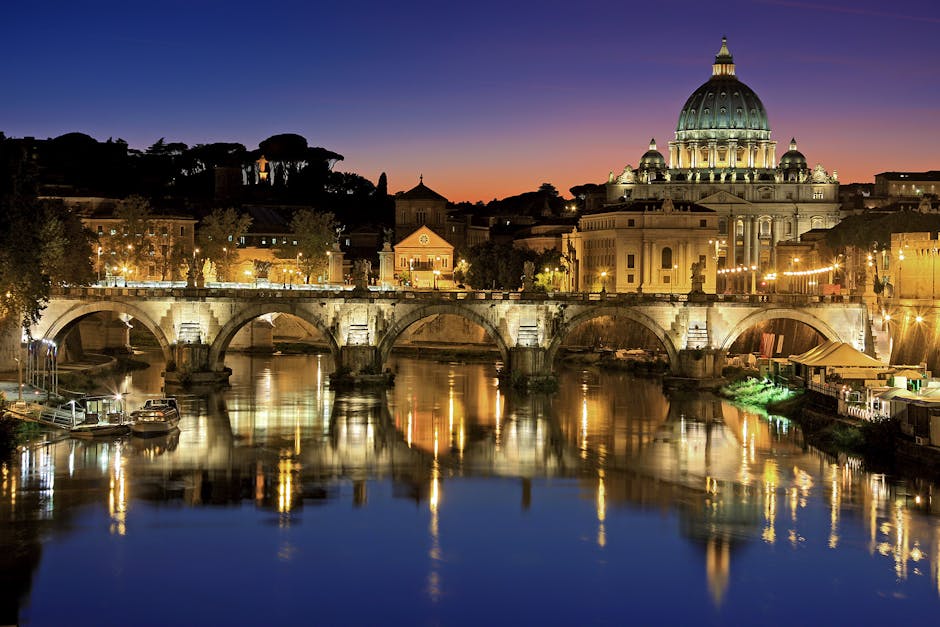
St. Peter's Basilica is Christendom's largest and most important church, built over the tomb of St. Peter himself. The dome, designed by Michelangelo, dominates Rome's skyline. The interior awes with scale and treasure: Michelangelo's Pietà, Bernini's baldachin, and endless chapels of art. Entry is free but security lines can be long.

The Vatican Museums rank among the world's greatest art collections—the Raphael Rooms, ancient sculpture, Egyptian antiquities, and of course the Sistine Chapel. Crowds are crushing; book morning entry or Friday night openings. The neighboring Prati district provides residential calm and better dining than Vatican-adjacent tourist traps.

⛪ Vatican Sites

Vatican Museums & Sistine Chapel
Photo: Alina Rossoshanska / Pexels
Vatican Museums & Sistine Chapel
Must-Book Masterpieces
💰 €17 online; €21 audio guide 🚇 Metro A: Ottaviano 🚶 5 min from Ottaviano
One of the world's greatest art collections culminating in the Sistine Chapel—Michelangelo's ceiling and Last Judgment. The museums are vast: 7km of galleries including Raphael Rooms, ancient sculpture, maps, and tapestries. Book timed entry online essential. Allow 3-4 hours minimum. Friday evenings (seasonal) offer smaller crowds.
Highlights: Sistine Chapel, book ahead essential, 3-4 hours needed, Friday nights
📍 View on Map
St. Peter's Basilica
Photo: Omar Ramírez Vallejo / Pexels
St. Peter's Basilica
Greatest Church
💰 FREE (dome climb €10) 🚇 Metro A: Ottaviano 🚶 10 min from Ottaviano
The world's largest church and center of Catholic Christianity, built over St. Peter's tomb. Michelangelo's dome, Bernini's bronze canopy, and Michelangelo's Pietà headline centuries of accumulated treasure. Entry is free but security lines can take 30-60 minutes. Dress code enforced: covered shoulders and knees.
Highlights: Free entry, Pieta, dome climb, dress code enforced, security lines
📍 View on Map
St. Peter's Dome Climb
Photo: Rushow Khan / Pexels
St. Peter's Dome Climb
Best Rome View
💰 €10 (with elevator); €8 (stairs only) 🚇 Metro A: Ottaviano 🚶 Inside St. Peter's
Climb Michelangelo's dome for Rome's best panorama—551 steps (or 320 with elevator to partway). The climb includes close views of the basilica's interior from above. The spiral staircase narrows at the top. Not for claustrophobes, but the views reward the effort.
Highlights: 551 steps or elevator option, best panorama, interior views, narrow top
📍 View on Map

🍽️ Dining in Prati

Pizzarium
Photo: C1 Superstar / Pexels
Pizzarium
Best Pizza in Rome
💰 €5-15 depending on quantity 🚇 Metro A: Cipro 🚶 10 min from Vatican
Legendary pizza al taglio (by the slice) from Gabriele Bonci—considered Rome's best pizza. The toppings are creative and seasonal; the crust is extraordinary. Always packed; eat standing or take away. Worth the walk from Vatican. Cash only.
Highlights: Legendary pizza al taglio, creative toppings, standing room, cash only
📍 View on Map
Romeo Chef & Baker
Photo: Altamart / Pexels
Romeo Chef & Baker
Modern Italian
💰 €50-100 per person 🚇 Metro A: Lepanto 🚶 In Prati district
Modern Italian from celebrated chef Cristina Bowerman—creative cuisine in a contemporary space. The tasting menus showcase innovative technique. The attached bakery offers excellent pastries. A departure from traditional Roman trattorias.
Highlights: Creative cuisine, tasting menus, attached bakery, contemporary space
📍 View on Map
Del Frate
Del Frate
Wine Focus
💰 €20-40 per person 🚇 Metro A: Ottaviano 🚶 In Prati
Wine bar and enoteca in Prati with excellent wine selection and simple food pairings. A proper Italian wine experience rather than tourist dining. The staff guides well through Italian regions. Good for afternoon wine break or light dinner.
Highlights: Wine selection, Italian regions, staff guidance, light food
📍 View on Map

🚇 Getting Around

🔒 Getting Around - Available in paid tiers

🏨 Where to Stay

🔒 Where to Stay - Available in paid tiers

🍜 Food Guide

🔒 Food Guide - Available in paid tiers

Must-Try Dishes

💡 Dining Tips

Book Tours & Travel Essentials

Everything you need for Rome - tours, transfers, SIM cards & more

🚐 Day Trips & Tours

⭐ Things to Do

✈️ Travel Essentials

🔍 Search All Klook Experiences

Klook.com

🏨 Book Your Stay in Rome

Find the best hotels, hostels, and apartments

🏨
Hotels
All star ratings
🛌️
Hostels
Budget-friendly
🏠
Apartments
Home comforts
Resorts
Luxury stays
🔍 Search All Stays in Rome

Best price across Booking, Expedia, VRBO & more • Powered by Stay22

📋 Practical Information

🔒 Practical Info - Available in paid tiers

🌞 Sunny Travel Guides

The Confidence To Travel / Never Be Lost

© 2026 Sunny Travel Guides. All rights reserved.

🔍§ DEV MODE ACTIVE - Click venue photos to mark for replacement, click descriptions to edit

Â¸ Photo Replacement

Queue empty
0 photos marked on this page

Â Content Editor

0 descriptions edited

Ready to explore more?

Choose your guide level and get instant access

NEXT →