📖 Osaka Free Sample Guide - FREE
🌞 Sunny Travel Guides
The Confidence To Travel / Never Be Lost
All Guides Journal Free Travel Tips β†’
Å¾
✉
Osaka Map Overview

🏯 Osaka

Japan's Kitchen: Where Food Is Religion

πŸ‡―πŸ‡΅ Welcome to Osaka

Osaka is Japan's rebellious second city, a place where the buttoned-up formality of Tokyo gives way to loud laughter, bold flavors, and strangers who actually talk to each other. This is the birthplace of Japanese street food culture, where the local greeting 'mokari makka?' (making money?) reveals a merchant heritage that values practical success over polished appearances. The Osakans have a word for their food obsession: kuidaore, meaning 'to eat yourself into ruin' – and they say it with pride. From the neon-drenched chaos of Dotonbori to the retro charm of Shinsekai, from centuries-old temples to cutting-edge architecture, Osaka offers Japan's most accessible and unpretentious urban experience. The city rewards those who wander without a plan, stumbling into standing bars, tiny ramen counters, and conversations with locals eager to share their favorite spots.

Population
2.75 million (metro: 19 million)
Area
225 kmΒ²
Timezone
JST (UTC+9)
Language
Japanese (Osaka dialect)
Currency
Japanese Yen (Β₯)
Best Time
March-May (cherry blossoms), October-November (autumn)
Airport
KIX (Kansai International), ITM (Itami/domestic)

Understanding Osaka

Osaka's identity was forged in commerce, not aristocracy. While Kyoto housed emperors and Tokyo (Edo) served shoguns, Osaka was 'tenka no daidokoro' – the nation's kitchen – where merchants controlled the rice trade and built fortunes. This mercantile DNA created a culture that values wit over status, directness over formality, and good food over fine dining. Osakans speak a distinct dialect (Osaka-ben) that sounds rougher and funnier than standard Japanese, filled with expressions that Tokyo residents find charmingly crude. The local comedy scene (manzai) has made Osaka Japan's humor capital. Don't be surprised when shopkeepers joke with you, taxi drivers share opinions, or strangers at a counter offer food recommendations. This warmth isn't performance – Osakans genuinely believe life is too short for pretense. Embrace the chaos, eat everything, and you'll discover why many travelers find Osaka more lovable than its more famous siblings.

⚑ Essential Osaka Tips

• Get an ICOCA card immediately at any station – it works on all trains, subways, buses, and even convenience stores. The Osaka Amazing Pass (Β₯2,800/day) includes unlimited transit plus free entry to 50+ attractions.

• Stand on the RIGHT side of escalators (opposite of Tokyo). Osakans take this seriously and will let you know if you're blocking traffic.

• Eat at counters, not tables. The best food in Osaka is served at tiny standing bars (tachinomi) and counter-only restaurants where you watch the chef work. Point at what others are having if you can't read the menu.

πŸ—ΊοΈ Osaka Neighborhoods

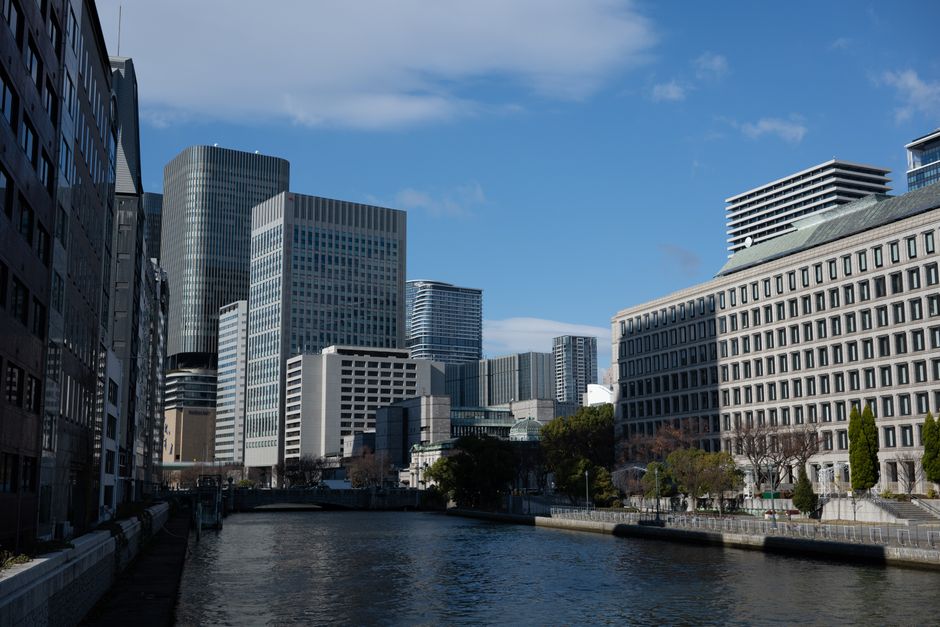
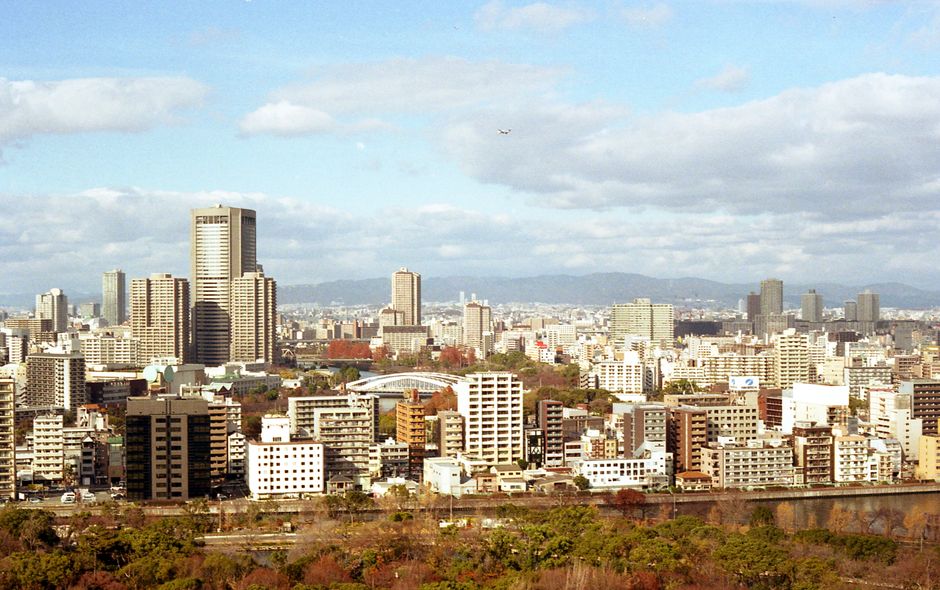
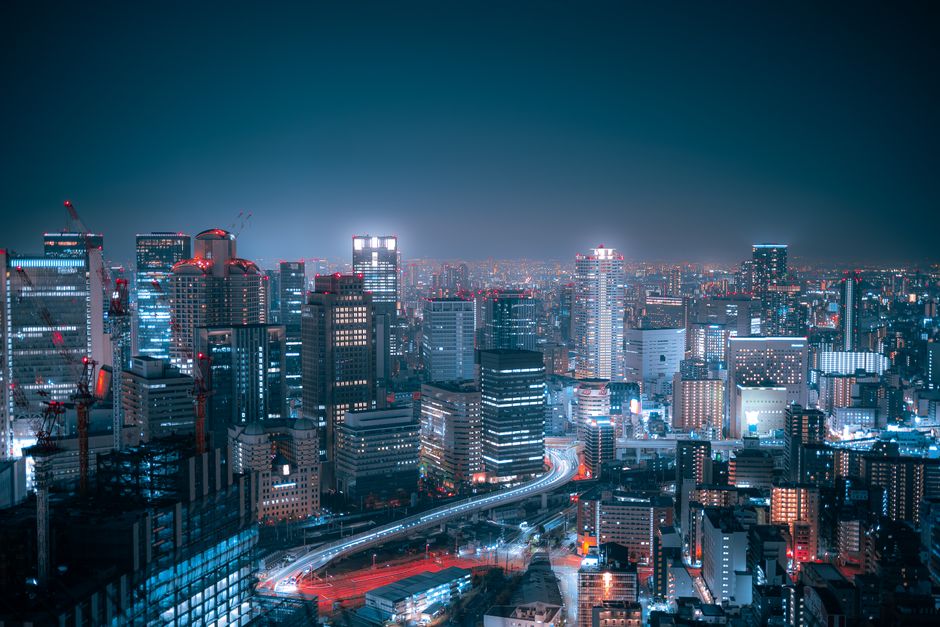
Osaka sprawls across the Kansai plain, divided by rivers and canals. The south (Minami) centers on Namba and Dotonbori – chaotic, neon-lit, and tourist-friendly. The north (Kita) around Umeda is sleeker and more business-oriented. Between them lies Osaka Castle, while areas like Shinsekai offer retro charm. Each neighborhood has distinct personality, but all share that unmistakable Osaka energy.

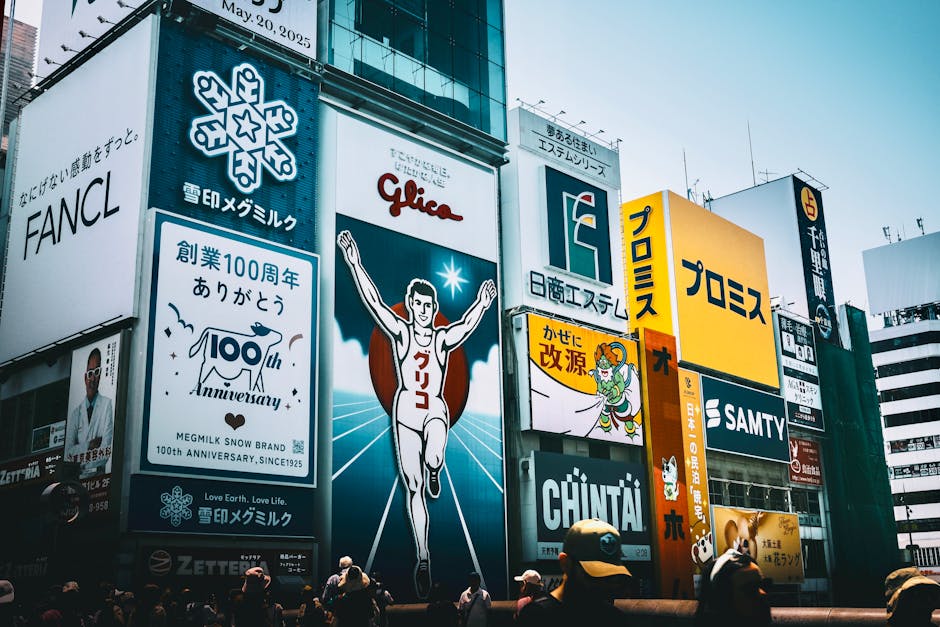
Dotonbori canal with famous Glico Running Man sign
πŸ¦‘ Dotonbori
Neon chaos, tourist central, iconic
Must-See: Glico Running Man, Kani Doraku crab, canal walk
Best For: First-time visitors, food crawls, Instagram photos
🚇 Namba (Midosuji, Sennichimae lines)
Namba shopping street crowds
πŸ›οΈ Namba
Shopping mecca, entertainment hub
Must-See: Namba Parks, Shinsaibashi-suji, Takashimaya
Best For: Shopping, dining, nightlife, transport hub
🚇 Namba (all major lines)

πŸ¦‘ Dotonbori

🚇 Metro: Namba Station (Midosuji, Sennichimae, Yotsubashi lines) - Exit 14 for canal

Dotonbori
Photo: Satoshi Hirayama / Pexels

The Glittering Heart of Osaka

Dotonbori takes its name from the canal dug in 1612 by entrepreneur Yasui Doton, who envisioned a commercial waterway that would become the city's entertainment spine. The Tokugawa shogunate established kabuki theaters here, and for 400 years this strip has never stopped performing. During the Edo period, it was already famous for puppet theaters and pleasure quarters. Today, the mechanical crab claws and neon dragons are direct descendants of that theatrical tradition – advertising as performance art.

The area's most famous icon, the Glico Running Man, has marked the Ebisu Bridge since 1935, surviving war and multiple redesigns to become Japan's most photographed sign. When the Hanshin Tigers win championships, fans leap from this bridge into the canal below – a tradition that's both celebrated and officially discouraged. This is Osaka distilled: irreverent, joyful, slightly unhinged.

Beneath the neon chaos lies serious culinary history. Many of Osaka's signature dishes – takoyaki, kushikatsu, kitsune udon – were either invented here or perfected in Dotonbori's competitive restaurant scene. The area operates on a simple philosophy: if it's not delicious, you won't survive.

πŸ¦‘ Iconic Experiences

Glico Running Man Sign
Photo: Kuan-yu Huang / Pexels
Glico Running Man Sign
⭐ Popular
💰 FREE 🚇 Namba Station Exit 14, 3-minute walk 🚶 5-10 min walk
The most photographed spot in Osaka, this neon sign of a runner crossing a finish line has stood at Ebisu Bridge since 1935. The current 6th-generation version features 140,000 LEDs and cost Β₯200 million. Evening creates the best photos with canal reflections.
Highlights: Night photography, canal reflections, neon backdrop, Ebisu Bridge views
📍 View on Map
Tombori River Cruise
Photo: MacroLingo LLC / Pexels
Tombori River Cruise
⭐ Popular
💰 Β₯1,000 🚇 Namba Station, Don Quijote dock 🚶 5-10 min walk
A 20-minute boat ride along the Dotonbori Canal offers a unique perspective of the neon wonderland from water level. Guides explain the history of the signs and buildings in Japanese and English. Night cruises are particularly spectacular.
Highlights: Water-level views, LED reflections, commentary, 20-minute route
📍 View on Map
Hozenji Yokocho
Photo: Satoshi Hirayama / Pexels
Hozenji Yokocho
⭐ Popular
💰 FREE 🚇 Namba Station Exit 14, 5-minute walk 🚶 5-10 min walk
Just steps from the neon chaos lies this atmospheric stone-paved alley, home to a tiny moss-covered temple where visitors splash water on a Buddhist statue for good fortune in love. Traditional restaurants and bars line the narrow passage, offering a serene counterpoint to Dotonbori's energy.
Highlights: Moss-covered temple, stone streets, atmospheric alley, traditional bars
📍 View on Map

🍒 Street Food & Restaurants

Kukuru Takoyaki
Photo: G N / Pexels
Kukuru Takoyaki
⭐ Popular
💰 Β₯600-900 for 8 pieces 🚇 Namba Station Exit 14, 2-minute walk 🚶 5-10 min walk
A serious contender for Osaka's best takoyaki, Kukuru uses generous chunks of tender octopus and a perfectly crispy-outside-gooey-inside batter. Watch them being made in the open kitchen, then devour them canalside. The secret is in the dashi-rich batter.
Highlights: Large octopus pieces, crispy shell, canalside eating, traditional recipe
📍 View on Map
Creo-Ru Okonomiyaki
Photo: Lana / Pexels
Creo-Ru Okonomiyaki
⭐ Popular
💰 Β₯1,000-1,800 🚇 Namba Station, 4-minute walk 🚶 5-10 min walk
A Dotonbori institution since 1957, Creo-Ru serves Osaka-style okonomiyaki cooked on teppan grills at your table. Their signature 'mixed modern' includes noodles, pork, shrimp, and squid. The theatrical cooking experience is as memorable as the food.
Highlights: Since 1957, table-side cooking, mixed modern style, local favorite
📍 View on Map
Kinryu Ramen
Photo: Julien / Pexels
Kinryu Ramen
⭐ Popular
💰 Β₯600-900 🚇 Namba Station, 3-minute walk 🚶 5-10 min walk
Recognizable by the giant dragon sign, this 24-hour ramen joint serves solid tonkotsu ramen at rock-bottom prices. Nothing fancy, but the thick pork broth hits perfectly at 2am after bar-hopping. Gyoza and rice sets available.
Highlights: 24 hours, giant dragon sign, cheap and filling, late-night staple
📍 View on Map

πŸ—Ό Shinsekai

🚇 Metro: Dobutsuen-mae Station (Midosuji, Sakaisuji lines) Exit 1

Shinsekai
Photo: Kuan-yu Huang / Pexels

Osaka's Retro Soul

Shinsekai ('New World') was built in 1912 as a dazzling entertainment district modeled after Paris and New York – the northern half featured an imitation Eiffel Tower (Tsutenkaku), while the southern half recreated Coney Island. For decades, it was Osaka's most glamorous address. Then came war, economic decline, and the area's fall into working-class grit and yakuza associations.

Today, Shinsekai has been reclaimed as a retro paradise, but its rough edges remain part of the charm. The original Tsutenkaku was scrapped for wartime metal; the current 1956 replacement is shorter but beloved. The area's signature dish, kushikatsu (deep-fried skewers), was invented here as cheap, filling food for day laborers. Strict rules apply: never double-dip in the communal sauce.

Walking Shinsekai feels like stepping into a Showa-era (1926-1989) time capsule. Gaudy signs, game arcades, old-school coffee shops, and standing bars crowd the narrow streets. It's less polished than Dotonbori but more authentically Osaka – a neighborhood that never pretended to be anything other than what it is.

πŸ—Ό Attractions

Tsutenkaku Tower
Photo: Nizar Firmansyah / Pexels
Tsutenkaku Tower
⭐ Popular
💰 Β₯900 (outdoor deck Β₯500 extra) 🚇 Dobutsuen-mae Station Exit 1, 5-minute walk 🚶 5-10 min walk
Osaka's Eiffel Tower stands 108 meters tall, offering 360-degree views from its observation decks. The main attraction is Billiken, a good-luck god whose feet you rub for fortune. Tacky, touristy, and completely charming – peak Osaka kitsch.
Highlights: Billiken statue, city views, retro neon, kitsch heaven
📍 View on Map
Jan Jan Yokocho
Photo: omar khaleel / Pexels
Jan Jan Yokocho
⭐ Popular
💰 FREE to walk; games Β₯100-500 🚇 Dobutsuen-mae Station, 3-minute walk 🚶 5-10 min walk
A narrow covered alley lined with shogi (Japanese chess) parlors, retro game arcades, and standing bars. The name comes from the shamisen music that once played here. Now it's kushikatsu shops and old men playing board games – wonderfully atmospheric.
Highlights: Covered alley, shogi parlors, retro arcades, local atmosphere
📍 View on Map
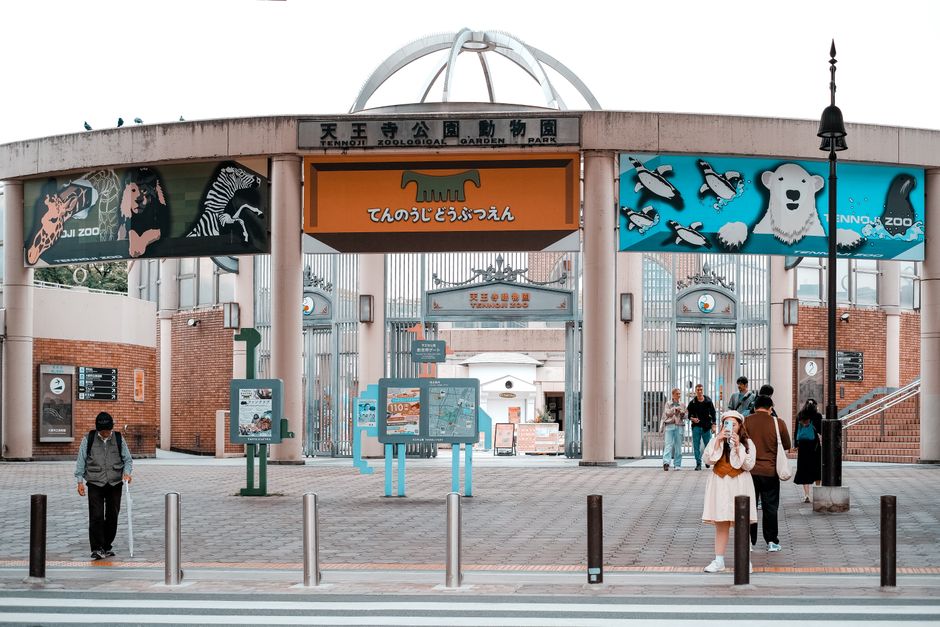
Tennoji Zoo
Photo: Vinny Anugraha / Pexels
Tennoji Zoo
⭐ Popular
💰 Β₯500 🚇 Dobutsuen-mae Station (name literally means 'in front of zoo') 🚶 5-10 min walk
Japan's third-oldest zoo (1915) sits adjacent to Shinsekai. Not as modern as some Japanese zoos, but the vintage charm matches the neighborhood. Popular with families and those seeking a quiet break from urban intensity.
Highlights: Historic zoo, 200+ species, quiet grounds, adjacent to Shinsekai
📍 View on Map

🍒 Kushikatsu & Food

Daruma Kushikatsu
Photo: Myint Mo(James) / Pexels
Daruma Kushikatsu
⭐ Popular
💰 Β₯100-200 per skewer; meals Β₯1,500-2,500 🚇 Dobutsuen-mae Station, 2-minute walk 🚶 5-10 min walk
The iconic kushikatsu chain that defined the genre, recognizable by its angry-faced mascot. Breaded and fried skewers of everything – pork, shrimp, quail eggs, lotus root, cheese – are dipped once in the communal sauce. No double-dipping!
Highlights: Original kushikatsu, angry mascot, communal sauce, Osaka institution
📍 View on Map
Yaekatsu
Photo: Alan Wang / Pexels
Yaekatsu
⭐ Popular
💰 Β₯80-150 per skewer 🚇 Dobutsuen-mae Station, 3-minute walk 🚶 5-10 min walk
A no-frills kushikatsu counter where you sit elbow-to-elbow with locals and order by pointing at the menu or other diners' plates. Cheaper and more authentic than Daruma, with excellent variety. Cash only.
Highlights: Cheap prices, counter seating, local crowd, authentic experience
📍 View on Map
Hachiman
Photo: Digital Phase / Pexels
Hachiman
⭐ Popular
💰 Β₯500-800 🚇 Dobutsuen-mae Station, 5-minute walk 🚶 5-10 min walk
A retro-style coffee shop (kissaten) that's been serving since 1947. Come for the cream soda, melon float, or thick toast with butter. The interior is pure Showa nostalgia – velvet seats, wood paneling, elderly regulars.
Highlights: Since 1947, cream soda, Showa interior, retro atmosphere
📍 View on Map

🚇 Getting Around

🔒 Getting Around - Available in paid tiers

🏨 Where to Stay

🔒 Where to Stay - Available in paid tiers

🍜 Food Guide

🔒 Food Guide - Available in paid tiers

Must-Try Dishes

💡 Dining Tips

Book Tours & Travel Essentials

Everything you need for Osaka - tours, transfers, SIM cards & more

🚐 Day Trips & Tours

⭐ Things to Do

✈️ Travel Essentials

🔍 Search All Klook Experiences

Klook.com

🏨 Book Your Stay in Osaka

Find the best hotels, hostels, and apartments

🏨
Hotels
All star ratings
🛌️
Hostels
Budget-friendly
🏠
Apartments
Home comforts
Resorts
Luxury stays
🔍 Search All Stays in Osaka

Best price across Booking, Expedia, VRBO & more • Powered by Stay22

📋 Practical Information

🔒 Practical Info - Available in paid tiers

🌞 Sunny Travel Guides

The Confidence To Travel / Never Be Lost

Β© 2026 Sunny Travel Guides. All rights reserved.

🔍§ DEV MODE ACTIVE - Click venue photos to mark for replacement, click descriptions to edit

Â¸ Photo Replacement

Queue empty
0 photos marked on this page

Â Content Editor

0 descriptions edited

Ready to explore more?

Choose your guide level and get instant access

NEXT →