🇩🇪 Welcome to Munich
Munich is Germany at its most prosperous and picture-perfect—a city where BMWs roll past baroque churches, where opera houses stand next to beer halls that have served since 1589. Capital of Bavaria, Munich carries itself with distinct pride, different from the rest of Germany in accent, attitude, and allegiance. The Alps shimmer on the horizon; the English Garden stretches larger than Central Park; world-class museums line every boulevard. Yet for all its elegance, Munich remains rooted in beer garden culture—communal tables where suits sit beside students, everyone sharing pretzels and Mass (liter steins). The city perfected the concept of Gemütlichkeit: cozy, convivial, unhurried pleasure. Visit during Oktoberfest for controlled chaos, or come any other time for the real Munich—sophisticated yet unpretentious, efficient yet relaxed, thoroughly German yet uniquely Bavarian.
Understanding Munich
Munich is the capital of Bavaria, and Bavarians consider themselves Bavarian first, German second. The blue-and-white diamond pattern appears everywhere—the state flag, beer hall decorations, soccer team colors. This pride stems from centuries as an independent kingdom, and it shows in everything from the dialect (nearly incomprehensible to northern Germans) to the politics (conservative) to the culture (deeply Catholic, passionately local). Munchers are formal at first but warm once you connect. They're punctual, precise, and take quality seriously—in engineering, in beer, in bread. The concept of 'Feierabend' matters here: when work ends, leisure begins properly. Beer gardens operate on trust (you can bring food, just buy drinks); traditions like Weisswurst (white sausage, eaten before noon only) are respected. Learn 'Grüß Gott' (greeting) and 'Servus' (casual hello/goodbye)—locals notice the effort. Munich rewards those who slow down: linger over coffee, walk the gardens, join a communal table.
⚡ Essential Munich Tips
• Beer gardens let you bring your own food—just buy drinks. This is tradition, not freeloading. Pack a picnic, buy a Mass (liter of beer, €10-12), and enjoy communal tables under chestnut trees.
• U-Bahn and S-Bahn run on an honor system—no turnstiles. But plainclothes controllers check tickets randomly. Fine is €60 on the spot. Buy a day ticket (€8.80) or weekly pass.
• Everything closes Sunday except restaurants and beer halls. Plan shopping for weekdays/Saturday. Many museums also close Mondays.
🔍 Search Munich
🗺 Interactive Munich Map
🧭 Quick Navigation
🗺️ Munich Neighborhoods
Munich radiates from the Altstadt (Old Town) around Marienplatz. The U-Bahn and S-Bahn make everything accessible. Schwabing is intellectual and bohemian; Maxvorstadt holds the museum quarter; Glockenbachviertel is the LGBTQ+ and nightlife center; Haidhausen is local and hip. Each neighborhood has distinct character, but all share Munich's mix of tradition and quality.

Best For: First-time visitors, classic sights, beer culture

Best For: Students, artists, beer garden lovers
🍺 Altstadt (Old Town)
🚇 U-Bahn: Marienplatz (U3/U6) • S-Bahn: All lines • Walking district
The Heart of Bavaria
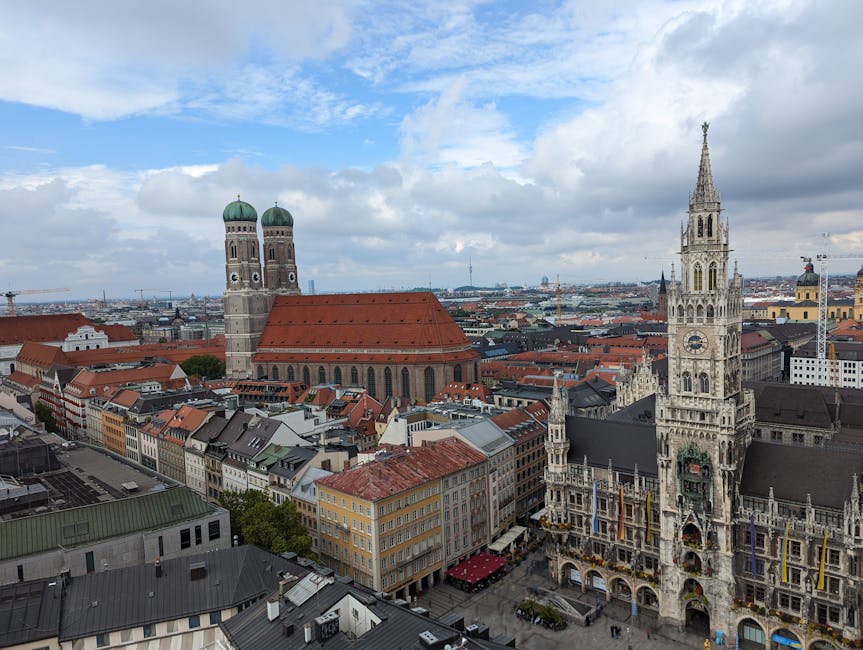
Munich's Altstadt has been the city's center since 1158 when Henry the Lion founded the settlement. The Marienplatz remains the heart—a public square where the Glockenspiel performs daily, where Christmas markets glow in December, where Münchners gather to celebrate FC Bayern victories. The twin onion domes of the Frauenkirche define the skyline; no building may exceed their height.
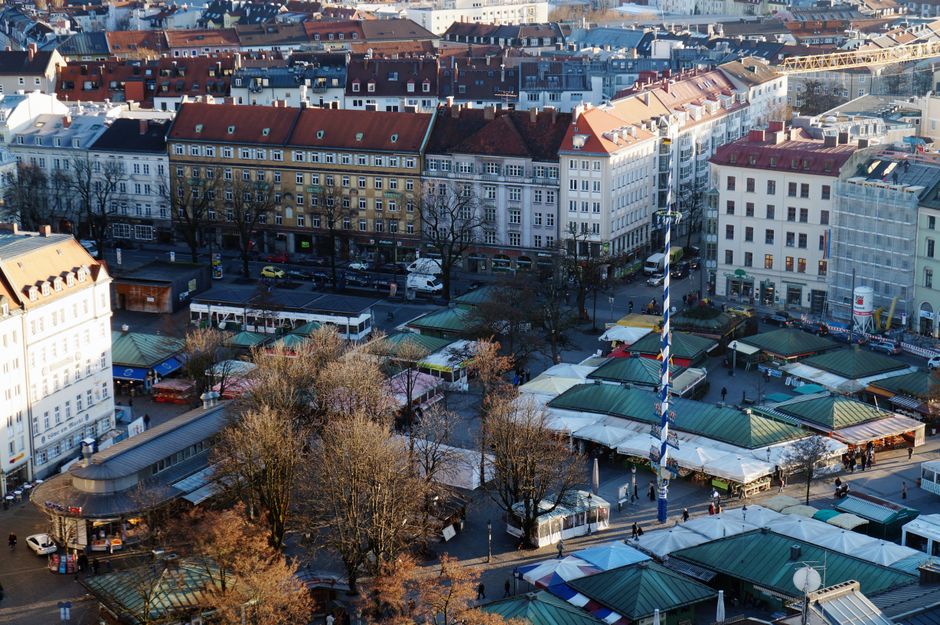
Despite wartime destruction, the Old Town was meticulously reconstructed. Beer halls like Hofbräuhaus (founded 1589) continue centuries of tradition. The Viktualienmarkt has operated as a food market since 1807. Walking these streets, you're following paths tread by kings, composers, and revolutionaries—all of them, undoubtedly, stopping for beer.
🏛️ Landmarks & Attractions

🍺 Beer Halls & Gardens


🌳 Schwabing
🚇 U-Bahn: Universität, Giselastraße, Münchner Freiheit (U3/U6)
The Bohemian Quarter
Schwabing was Munich's bohemian heart in the early 20th century—Kandinsky, Klee, and the Blue Rider movement worked here; Mann and Rilke wrote here; Lenin plotted revolution in its cafes. Today it's gentrified but retains intellectual character: the university dominates, bookshops thrive, and the English Garden offers escape.
The English Garden is larger than Central Park, stretching 4 kilometers along the Isar. Beer gardens dot its expanse—Chinese Tower is famous, but Seehaus and Hirschau are equally good with fewer tourists. The river Eisbach creates a standing wave where surfers ride year-round, even in snow. This is Munich at its most relaxed.
🌳 Parks & Outdoors


🍺 Beer Gardens


🚇 Getting Around
🔒 Getting Around - Available in paid tiers
🏨 Where to Stay
🔒 Where to Stay - Available in paid tiers
🍜 Food Guide
🔒 Food Guide - Available in paid tiers
Must-Try Dishes
💡 Dining Tips
🎯 Book Activities in Munich
Tours, attractions, experiences & more
Powered by Klook • Best price guaranteed
🏨 Book Your Stay in Munich
Find the best hotels, hostels, and apartments
Best price across Booking, Expedia, VRBO & more • Powered by Stay22
📋 Practical Information
🔒 Practical Info - Available in paid tiers🌞 Sunny Travel Guides
The Confidence To Travel / Never Be Lost
© 2026 Sunny Travel Guides. All rights reserved.