🇲🇾 Welcome to Melaka
Melaka is where Malaysian history began—the 15th-century Sultanate that controlled the Straits, the Portuguese conquest in 1511, Dutch takeover in 1641, British rule from 1824. Each power left its mark: Portuguese ruins on the hill, Dutch red buildings in the square, British shophouses along Jonker Street. UNESCO listed the historic center in 2008, alongside Penang. But Melaka's soul is Peranakan—the Straits Chinese culture that blended immigrants with local traditions over centuries. The Baba-Nyonya museums, cuisine, and architecture are Malaysia's richest. Modern Melaka is a manageable day or overnight trip from KL (2 hours), small enough to walk, packed with history, and blessed with distinctive food: chicken rice balls, satay celup, Nyonya dishes. The weekend Jonker Street night market brings crowds; weekdays are quieter. This is Malaysia's heritage heart—essential for understanding how the nation formed from trade, conquest, and cultural fusion.
Understanding Melaka
Melaka's strategic location on the narrowest point of the Straits made it essential for trade—whoever controlled Melaka controlled East-West commerce. The Sultanate fell to Portuguese cannons in 1511; they held it until the Dutch arrived in 1641. Britain took over in 1824. Each left architecture, religion, and cultural influences. The Peranakan community—Chinese traders who married local women over generations—created unique cuisine, architecture, and traditions that survive most vividly here. Melaka is smaller than Penang, more concentrated, easier to explore. The river divides old from new; Jonker Street anchors Chinatown; the Dutch Square contains the red heart. It's touristy but genuinely historic, commercialized but authentically layered. Visit midweek to avoid weekend crowds, or embrace the chaos of the Friday-Sunday night market on Jonker Street.
⚡ Essential Melaka Tips
• The historic center is walkable—everything is within 15-20 minutes on foot. The trishaw rides are fun but overpriced.
• Jonker Street Night Market operates Friday-Sunday evenings only. It's crowded but atmospheric. Weekdays are quieter for sightseeing.
• Chicken rice balls are Melaka's signature—rice shaped into balls instead of loose. Famosa Chicken Rice Ball is most famous.
🔍 Search Melaka
🗺 Interactive Melaka Map
🧭 Quick Navigation
🗺️ Melaka Areas
Melaka's historic core is compact. Dutch Square is the red-building center. St. Paul's Hill has Portuguese ruins. Chinatown lines Jonker Street and Heeren Street. The Melaka River divides old from new. Everything is walkable.
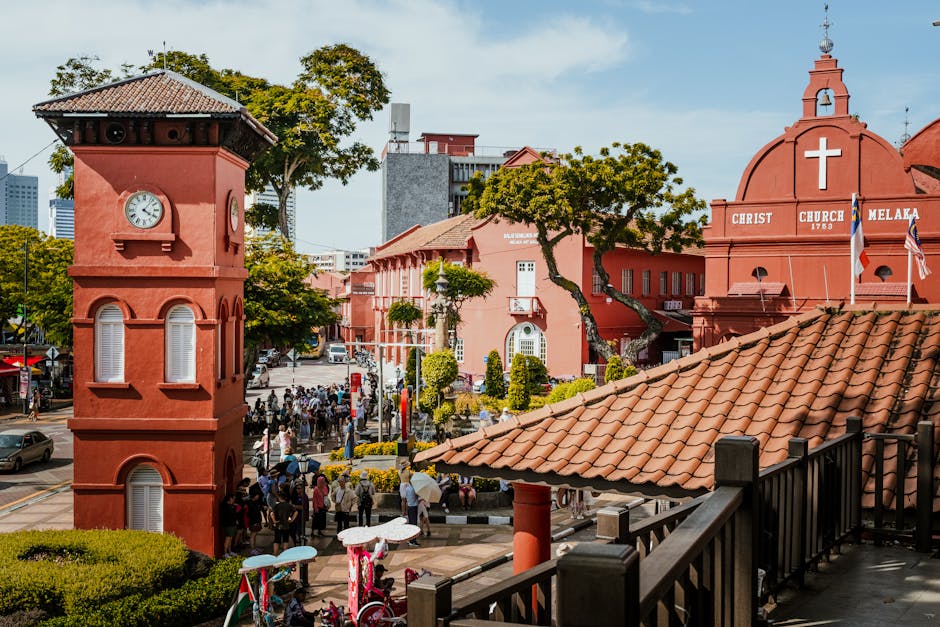
Best For: History, photos, orientation

Best For: Culture, food, shopping
🏛️ Dutch Square (Red Square)
🚇 Grab from Melaka Sentral • Central starting point

Heart of Colonial Melaka
The Dutch built these red buildings after capturing Melaka from the Portuguese in 1641. The Stadthuys was the Dutch governor's residence—now a museum.
The distinctive terracotta red is maintained by law. Christ Church (1753) remains an active Anglican church.
🏛️ Colonial Buildings


🚲 Activities


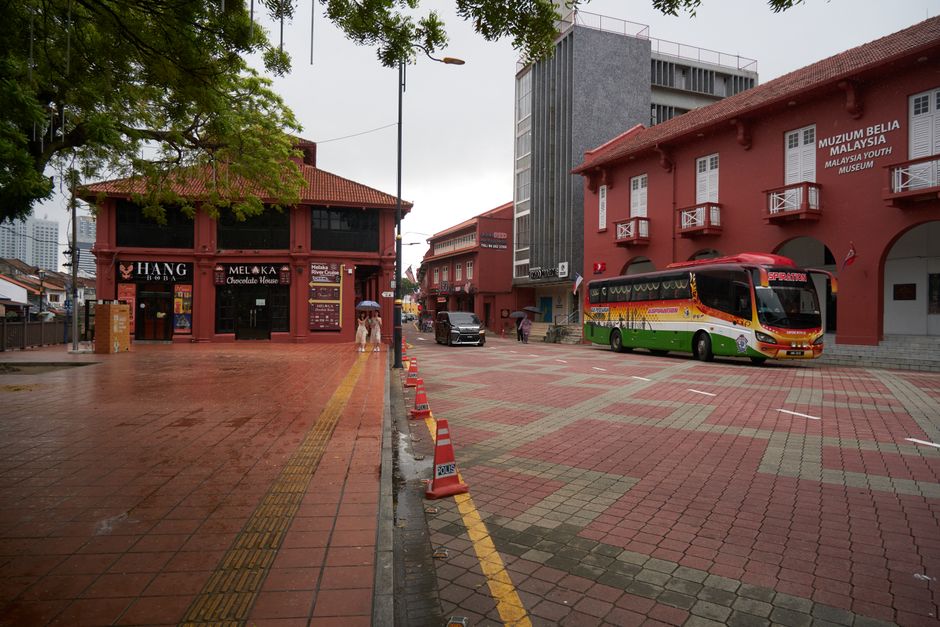
🏮 Chinatown & Jonker Street
🚇 Walk from Dutch Square • Cross the bridge

Peranakan Heart
Jonker Street (Jalan Hang Jebat) is Melaka's Chinatown main street—antique shops, Peranakan museums, temples, and restaurants. The Friday-Sunday night market takes over.
Heeren Street (Jalan Tun Tan Cheng Lock) has the grand Peranakan mansions—now museums and galleries.
🏛️ Peranakan Heritage


⛩️ Temples


🚇 Getting Around
🔒 Getting Around - Available in paid tiers
🏨 Where to Stay
🔒 Where to Stay - Available in paid tiers
🍜 Food Guide
🔒 Food Guide - Available in paid tiers
Must-Try Dishes
💡 Dining Tips
🎯 Book Activities in Melaka
Tours, attractions, experiences & more
Powered by Klook • Best price guaranteed
🏨 Book Your Stay in Melaka
Find the best hotels, hostels, and apartments
Best price across Booking, Expedia, VRBO & more • Powered by Stay22
📋 Practical Information
🔒 Practical Info - Available in paid tiers🌞 Sunny Travel Guides
The Confidence To Travel / Never Be Lost
© 2026 Sunny Travel Guides. All rights reserved.