London is one of those cities that manages to be exactly what you expect and constantly surprising. Yes, there's Big Ben and Buckingham Palace, red phone boxes and double-decker buses, pubs with creaky floors and guards in bearskin hats. But there's also a curry scene that rivals Mumbai, cocktail bars hidden behind laundromats, street art in railway arches, and a diversity where 300 languages are spoken daily. Eight million people crowd into this ancient-modern metropolis, which has been a global capital for trade, finance, culture, and empire for centuries. The city sprawls enormously—you could spend weeks and barely scratch the surface—yet somehow remains walkable in its distinct neighborhoods, each with its own character: refined Mayfair, gritty Shoreditch, leafy Hampstead, multicultural Brixton. Museums are largely free (a gift to humanity), theaters set the global standard, and the food scene has transformed from a punchline to a destination. London is expensive, crowded, and often gray—but it rewards with depth that few cities can match.
Population
8.8 million (14 million metro)
Area
1,572 km²
Timezone
GMT/BST (UTC+0/+1)
Language
English
Currency
British Pound (£)
Best Time
May-September (warm, long days)
Airport
LHR (Heathrow), LGW (Gatwick), STN (Stansted)
Understanding London
London's character is shaped by layers of history that coexist rather than replace each other. Roman walls, medieval churches, Georgian squares, Victorian stations, Brutalist estates, and glass towers all share the skyline. The city has absorbed waves of immigration—Huguenots, Jews, Irish, Caribbean, South Asian, Eastern European—each adding to a culture that's genuinely multicultural rather than monocultural with diversity. Londoners can seem reserved; queuing is sacred, personal space is valued, and small talk with strangers isn't default. But there's warmth beneath the reserve, particularly in pubs where social barriers drop over a pint. The class system still echoes through accents and postcodes, yet London is probably Britain's most meritocratic city. Weather is the eternal topic: it will rain, it will be gray, but proper downpours are actually rare—invest in layers and a light jacket rather than heavy rain gear. And yes, everything is expensive. Accept it, budget for it, and take advantage of the remarkable amount that's free.
⚡ Essential London Tips
• Get an Oyster card or use contactless payment for all transport. Single Tube fares are £6.70 cash versus £2.80 with Oyster/contactless, and there's a daily cap (£8.10 Zone 1-2). Apple Pay and Google Pay work on all TfL transport.
• Major museums are FREE: British Museum, National Gallery, Tate Modern, V&A, Natural History, Science Museum. This is extraordinary—take advantage. Special exhibitions charge, but permanent collections don't.
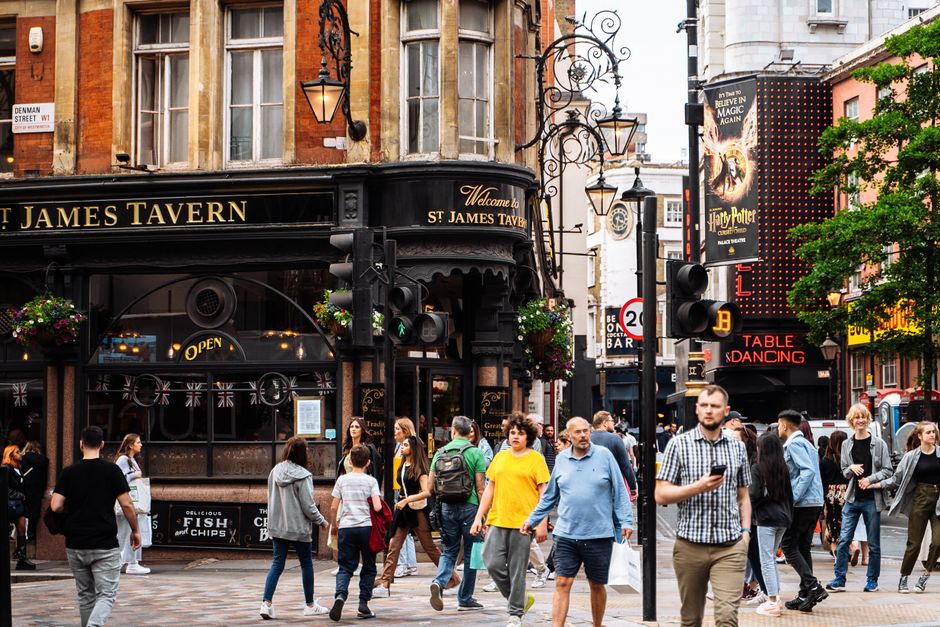
• Pubs close at 11pm (some later on weekends). 'Last orders' is called at 10:45pm. This catches visitors off-guard. Sunday roast is a pub tradition—book ahead for good ones.
London is a collection of villages that merged into a sprawling metropolis. Each area has distinct character: Westminster for royal/political London, the West End for theater and shopping, the City for finance and history, South Bank for culture, Shoreditch for hipsters, Notting Hill for charm, Camden for alternative culture. The Tube connects everything but walking reveals the city best.
Westminster has been the seat of English power for a thousand years. Edward the Confessor built his abbey here in 1065; William the Conqueror was crowned in it the following year. Parliament has met here since the 13th century, though the current Gothic Revival building dates to the 1840s after fire destroyed the original. Buckingham Palace became the monarch's residence in 1837 when Victoria took the throne.
Today Westminster is where Britain governs itself—MPs debate in the Commons, the Supreme Court rules from Middlesex Guildhall, and Downing Street's famous door shields the Prime Minister. For tourists, the concentration of iconic landmarks is unmatched. The challenge is the crowds—millions visit annually. Early mornings and late afternoons offer better experiences than midday chaos.
💰 External FREE, tours £30 (limited availability)🚇 Westminster Station🚶 1 min from station
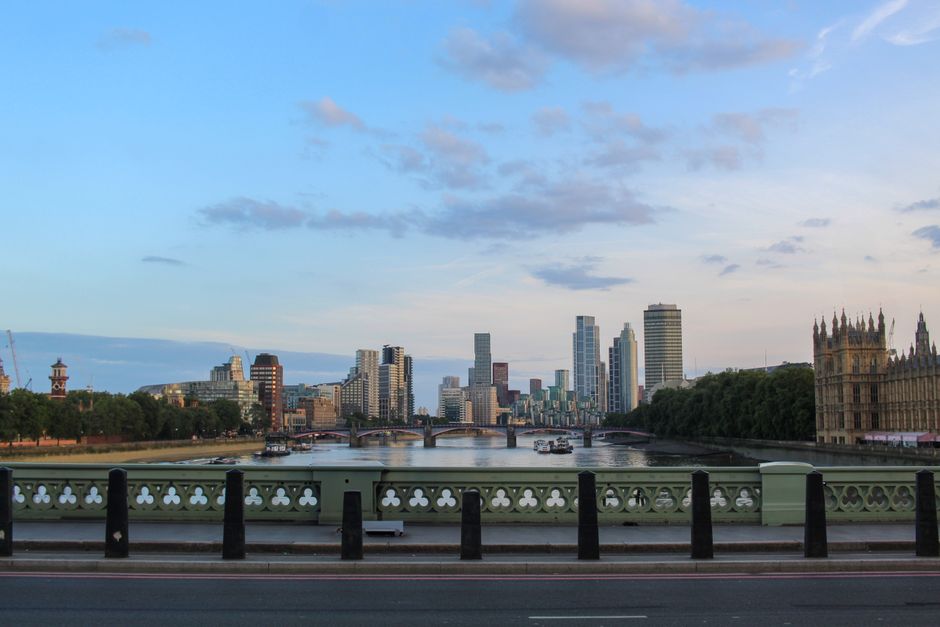
The Gothic Revival masterpiece that defines London's skyline. Big Ben is actually the bell, not the tower (now called Elizabeth Tower). You can only enter on guided tours, which must be booked through your MP (if British) or a very limited international tour. The exterior and Westminster Bridge views are free and stunning, especially at night when illuminated.
Highlights: Gothic architecture, Big Ben, Thames views, night illumination
💰 £27 (book online), Evensong FREE🚇 Westminster Station🚶 3 min from station
Britain's coronation church for nearly 1,000 years. Every monarch since 1066 has been crowned here; many are buried here alongside poets, scientists, and statesmen (Poets' Corner holds Chaucer, Dickens, Hardy). The Gothic architecture is magnificent, and the weight of history is palpable. Audio guide included. Extremely crowded midday—come at opening or attend Evensong (free) for a different experience.
Highlights: Coronation church, Poets' Corner, Gothic architecture, royal tombs
💰 External FREE, State Rooms £30 (summer only)🚇 Victoria, Green Park, or St James's Park🚶 10 min from Victoria
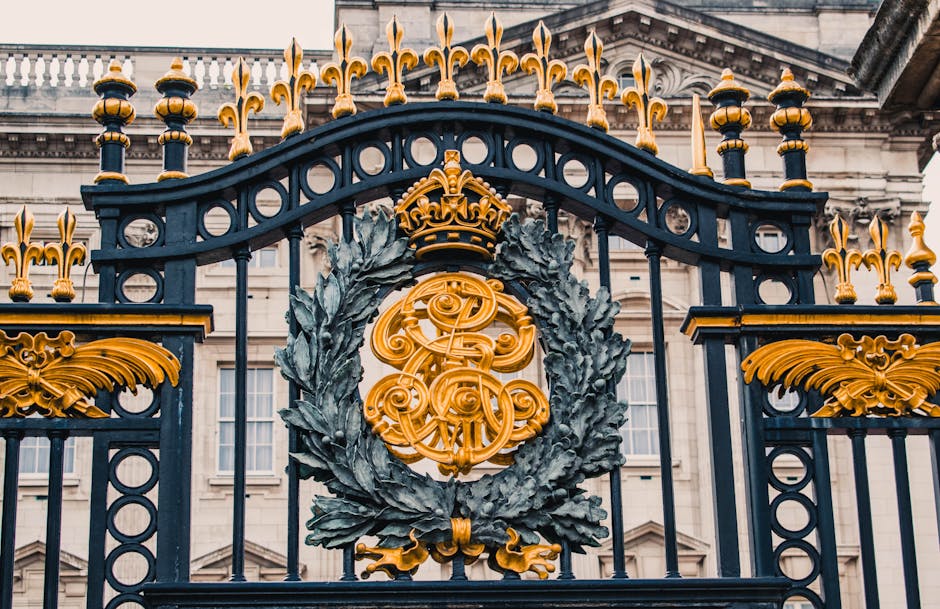
The monarch's official London residence since 1837. The Changing of the Guard ceremony (11am, not daily—check schedule) draws massive crowds. State Rooms open for tours in summer only (August-September). The exterior and Victoria Memorial are always accessible. The ceremony is crowded and hard to see; arrive 45+ minutes early or watch from the Mall instead.
Highlights: Changing of Guard, State Rooms (summer), royal balcony, gardens
💰 Pints £6-7, meals £12-18🚇 Westminster Station🚶 3 min from station
The pub where MPs drink—literally connected to Parliament by a division bell that calls them back for votes. Wood-paneled Victorian interior, political memorabilia, and the chance to spot actual politicians. The fish and chips are decent; the atmosphere is the point. Gets packed when Parliament is in session.
Highlights: Division bell, political clientele, Victorian interior, Parliament proximity
💰 Pints £6-7, meals £14-20🚇 Westminster Station🚶 2 min from station
A gorgeous Victorian pub directly opposite Big Ben with ornate glass, carved wood, and division bells connecting to Parliament. The ground floor gets packed with tourists; head upstairs for more space and better views of the Elizabeth Tower. Classic pub food and well-kept ales.
Highlights: Big Ben views, Victorian interior, division bells, upstairs room
💰 Pints £5-6, meals £12-16🚇 Charing Cross or Embankment🚶 5 min from Embankment
A Whitehall institution since 1897, frequented by civil servants and political journalists. Less touristy than Parliament Street pubs, with a proper pub atmosphere. Good selection of cask ales and decent pies. The kind of pub London does well—unpretentious, comfortable, and timeless.
Highlights: Whitehall workers, cask ales, less touristy
The South Bank was industrial wasteland until the 1951 Festival of Britain kicked off its transformation. The Royal Festival Hall anchored the cultural rebirth; the Tate Modern's arrival in 2000 completed it. Now the riverside walk from Westminster Bridge to Tower Bridge is London's most pleasant stroll, passing world-class institutions, street performers, and the most concentrated food scene at Borough Market.
This is where London relaxes. Skateboarders practice under the brutalist Queen Elizabeth Hall, book browsers dig through BFI stalls, and office workers escape to the riverside benches. The walk itself is the attraction—cross the Millennium Bridge to St Paul's, watch Parliament from the Queen's Walk, and graze through Borough Market. Allow a full day to do it justice.
💰 FREE (special exhibitions £15-22)🚇 Southwark (Jubilee) or Blackfriars (Circle, District)🚶 5 min from Southwark
World-class modern art in a converted power station—one of London's essential experiences. The Turbine Hall installations are often spectacular (and free). Collections span Picasso to contemporary. The building itself impresses: industrial cathedral meets white cube gallery. The viewing platform on level 10 offers free London panoramas. Restaurant on top floor for splurge meals.
Highlights: Turbine Hall, free admission, river views, converted power station
💰 Tours £17, groundling tickets £5🚇 Blackfriars or London Bridge🚶 8 min from either
A faithful reconstruction of the 1599 theater where Shakespeare's plays premiered. Tours run daily and are excellent. Even better: attend a performance as a 'groundling' standing in the open-air yard (£5)—the authentic experience. Performances run April-October. The covered Sam Wanamaker Playhouse next door operates year-round with candlelit shows.
💰 Tours £17, performances £5-50🚇 Southwark or Blackfriars🚶 8 min from Southwark
A faithful reconstruction of the 1599 theatre where Shakespeare's plays premiered. Tours explain Elizabethan staging; groundling tickets (standing, £5) let you experience plays as Shakespeare's audience did—standing in the yard, cheering and jeering. The indoor Sam Wanamaker Playhouse uses candlelight. A theatrical experience unlike any other.
Highlights: Elizabethan theatre, groundling experience, candlelit plays
💰 Street food £5-15, groceries vary🚇 London Bridge Station🚶 2 min from station
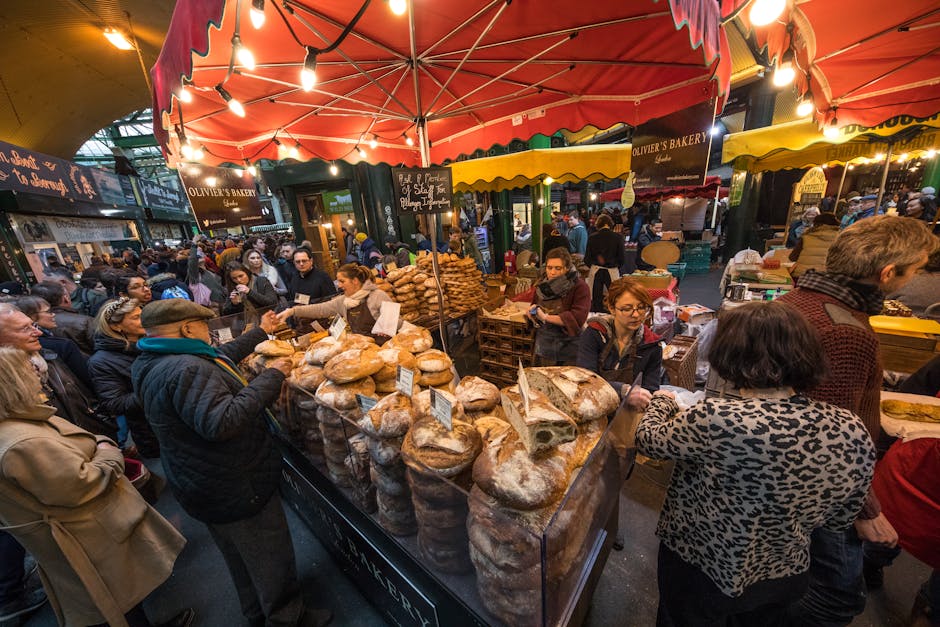
London's oldest and best food market, trading in some form since 1014. The current covered market specializes in quality produce, street food, and specialty ingredients. Thursdays are less crowded; Saturdays are chaos but peak atmosphere. Graze on Scotch eggs, oysters, raclette, salt beef bagels, and Ethiopian injera. Come hungry, with cash (some stalls card-only, some cash-only).
Highlights: Street food grazing, specialty produce, historic market hall
💰 Pasta dishes £8-14🚇 London Bridge Station🚶 2 min from station
Hand-rolled pasta at reasonable prices—a combination that creates queues around the block. The pici cacio e pepe is legendary; the beef shin ragu equally so. No reservations; join the queue and use the Borough Market surroundings productively. The wait (30-60 min typical) is worth it. Counter seating lets you watch pasta being made.
💰 FREE entry, £5-15 for food🚇 London Bridge🚶 2 min from London Bridge
London's most celebrated food market, operating in some form since 1014. The current covered halls overflow with artisan producers, street food, and foodie crowds. Quality is high but so are prices and tourist density. Come Thursday-Saturday; avoid peak lunch hours. The surrounding streets have good pubs and restaurants.
Highlights: Artisan food, street eats, 1000+ years history