📖 Kyoto Free Sample Guide - FREE
🌞 Sunny Travel Guides
The Confidence To Travel / Never Be Lost
All Guides Journal Free Travel Tips →
Å¾
✉
Kyoto Map Overview

⛩️ Kyoto

Where Ancient Tradition Breathes in Every Stone

🇯🇵 Welcome to Kyoto

Kyoto is Japan distilled—a city where centuries of tradition persist alongside modern life in seamless harmony. For over a thousand years, this was Japan's imperial capital, and the culture that developed here defined Japanese aesthetics: tea ceremony, ikebana, Noh theater, kaiseki cuisine, and the philosophical gardens that inspire contemplation. American bombers deliberately spared Kyoto during World War II, preserving 2,000 temples, shrines, and historical buildings that other cities lost. Today, geisha still hurry through Gion's lantern-lit alleys, monks tend garden that haven't changed in five centuries, and craftsmen practice arts their families have perfected for generations. The tourist crowds can be intense—this is Japan's most-visited city—but Kyoto rewards those who rise early, stay late, and wander beyond the famous sites. The city reveals itself slowly, in the particular quality of light on a moss garden, in the precise arrangement of a kaiseki meal, in the silence of a bamboo grove at dawn.

Population
1.46 million
Area
827.8 km²
Timezone
JST (UTC+9)
Language
Japanese (limited English)
Currency
Japanese Yen (¥/JPY)
Best Time
March-May (cherry blossoms), October-November (autumn leaves)
Airport
KIX (Kansai International) or ITM (Osaka Itami)

Understanding Kyoto

Kyoto's identity centers on its role as keeper of Japanese tradition. When the emperor moved to Tokyo in 1868, Kyoto lost political importance but doubled down on cultural preservation. The city's residents consider themselves the true inheritors of Japanese culture, and there's truth to the claim—arts and crafts that died elsewhere survived here. This creates both genuine beauty and a certain self-consciousness about authenticity. The geisha districts, for example, are real working communities, not theme parks, and residents guard their privacy fiercely. Understanding Kyoto means appreciating that tradition isn't museum display here but living practice. The tea master preparing your ceremony trained for decades. The kaiseki chef sources ingredients from specific farms his family has used for generations. The temple garden you're viewing was designed to be seen from exactly where you're sitting. This attention to detail, this pursuit of perfection in small things, is Kyoto's gift. Rush through checking boxes and you'll miss everything. Slow down, observe, and let the city teach you to see.

⚡ Essential Kyoto Tips

• Temple timing matters: major sites open 8:30-9am and close 4:30-5pm. Early morning (first entry) means fewer crowds and better light. Many temples close earlier in winter. Fushimi Inari is 24/7 and magical at dawn.

• Cash is still essential in Japan. Many temples, small restaurants, and shops don't accept cards. ATMs in 7-Elevens and post offices accept foreign cards. Carry ¥10,000-20,000 for daily activities.

• Shoes on and off constantly: temples require removing shoes; carry socks (barefoot is rude), and choose slip-on shoes. Shoe lockers are common. This is non-negotiable—respect the rule.

🗺️ Kyoto Districts

Kyoto sprawls across a valley surrounded by mountains. Major temple clusters are in the hills—Higashiyama (east) and Arashiyama (west). Central Kyoto has the Imperial Palace, Nijo Castle, and downtown shopping/dining. Fushimi's famous shrine is south. The city is best navigated by bus and subway, with walking within districts. Most visitors base in central Kyoto or near Kyoto Station for transport convenience.
Traditional street in Higashiyama Kyoto
⛩️ Higashiyama
Classic Kyoto, preserved streets, major temples, tourist crowds
Must-See: Kiyomizu-dera, Gion, Ninenzaka, Yasaka Shrine
Best For: First-time visitors, temples, traditional atmosphere
🚇 Bus to Gion or Kiyomizu-michi
Arashiyama bamboo grove in Kyoto
Photo: L M / Pexels
🎋 Arashiyama
Bamboo groves, river scenery, western mountain temples
Must-See: Bamboo Grove, Tenryu-ji, Togetsukyo Bridge, monkey park
Best For: Natural beauty, photography, bamboo forest
🚇 JR Saga-Arashiyama or Hankyu Arashiyama

⛩️ Higashiyama

🚇 Bus: 100, 206 to Gion or Kiyomizu-michi; Keihan Line: Gion-Shijo Station

Higashiyama
Photo: AXP Photography / Pexels

Kyoto's Eastern Mountains

Higashiyama ('Eastern Mountains') preserves Kyoto's most iconic traditional streetscapes. The hills here have hosted temples since the city's founding in 794; the preserved streets of Ninenzaka and Sannenzaka date to the Edo period and retain their character through strict preservation laws. This is the Kyoto of imagination—wooden machiya townhouses, stone-paved lanes, and temple gates emerging from morning mist.

The concentration of major sites makes Higashiyama both essential and exhausting. Kiyomizu-dera's wooden stage, Yasaka Shrine's vermillion gates, Kodai-ji's night illuminations, and the quiet gardens of Shoren-in all cluster here. Walking routes connect sites through photogenic streets where shops sell traditional crafts and sweets.

The crowds can be intense, especially on Ninenzaka and around Kiyomizu. Strategic timing helps: early morning (arriving at opening), late afternoon, and evenings when illuminated temples offer different experiences. The geisha district of Gion forms Higashiyama's western edge, connecting temple-hopping to evening entertainment.

⛩️ Temples & Shrines
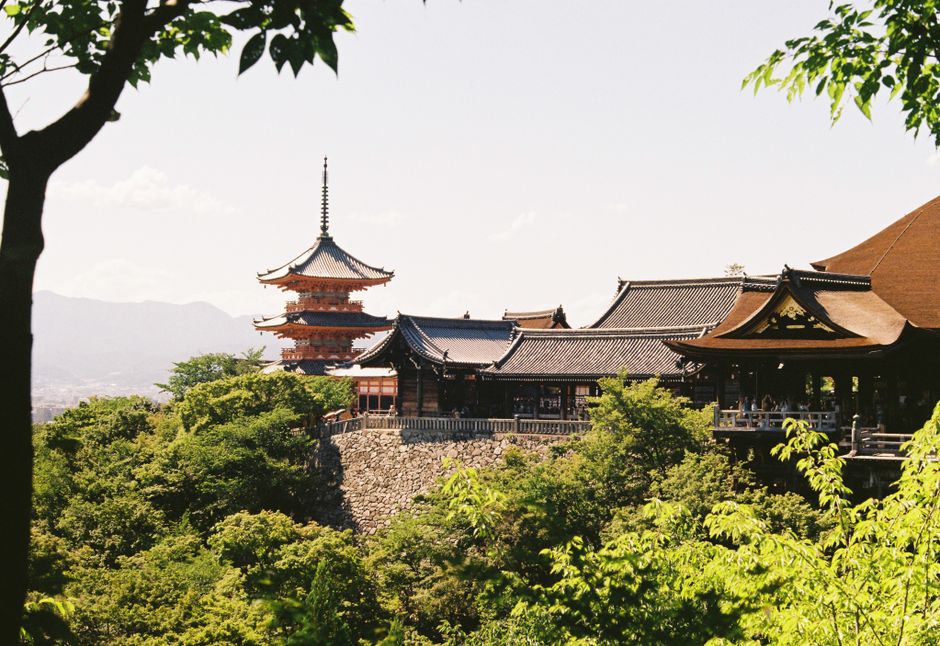
Kiyomizu-dera
Photo: Ivo Stirling / Pexels
Kiyomizu-dera
Must-See Temple
💰 ¥400 🚇 Bus to Kiyomizu-michi + 10 min walk uphill 🚶 10 min uphill from bus stop
Kyoto's most famous temple, founded in 778, with a dramatic wooden stage jutting out over the hillside—built without nails, offering panoramic views over the city. The temple's name ('Pure Water') comes from the Otowa Waterfall where visitors drink for health, longevity, or success in studies. Crowded but undeniably impressive. Night illuminations during spring and autumn are magical.
Highlights: Wooden stage, city views, Otowa Waterfall, night illuminations, founded 778
📍 View on Map
Yasaka Shrine
Photo: AXP Photography / Pexels
Yasaka Shrine
Gion's Heart
💰 FREE 🚇 Bus to Gion; Keihan Gion-Shijo 🚶 Direct from Gion
The vibrant orange shrine at Gion's eastern edge—Kyoto's most important Shinto shrine, hosting the famous Gion Matsuri festival each July. The grounds are free to enter and pleasant for strolling. The approach from Shijo Street through the torii gate is iconic. Night visits when lanterns glow are atmospheric.
Highlights: Free entry, Gion Matsuri home, lantern-lit evenings, orange gates
📍 View on Map
Kodai-ji
Photo: Saroj Surkheti / Pexels
Kodai-ji
Zen Beauty
💰 ¥600 (more for illuminations) 🚇 Bus to Higashiyama-Yasui 🚶 Near Ninenzaka
Zen temple founded in 1606 by the widow of Toyotomi Hideyoshi, with beautiful gardens, tea houses, and bamboo grove. Less crowded than Kiyomizu, more contemplative. The night illuminations during cherry blossom and autumn seasons are among Kyoto's best—projection art on gardens creates otherworldly atmosphere.
Highlights: Night illuminations, bamboo grove, tea houses, Toyotomi connection
📍 View on Map

🚶 Traditional Streets

Ninenzaka & Sannenzaka
Photo: Ryutaro Tsukata / Pexels
Ninenzaka & Sannenzaka
Iconic Kyoto Streets
💰 FREE 🚇 Bus to Kiyomizu-michi 🚶 Below Kiyomizu-dera
Kyoto's most famous preserved streets—stone-paved lanes lined with traditional wooden buildings housing shops, cafes, and restaurants. The gentle slopes connect Kiyomizu-dera to lower Higashiyama. Crowded during peak hours but genuinely beautiful. The architecture is protected; even chain stores must use traditional facades.
Highlights: Stone-paved lanes, traditional shops, Kiyomizu connection, photo spot
📍 View on Map
Hanamikoji Street (Gion)
Photo: Satoshi Hirayama / Pexels
Hanamikoji Street (Gion)
Geisha District Heart
💰 FREE 🚇 Keihan Gion-Shijo 🚶 Direct access
Gion's main street and the best place to spot geisha and maiko hurrying between appointments. Traditional ochaya (tea houses) line the street; most are members-only and unwelcoming to tourists, but the architecture and atmosphere are accessible. Evening is prime time. Respect the 'no photos' signs and don't obstruct working geisha.
Highlights: Geisha spotting, tea house architecture, evening atmosphere, photography rules
📍 View on Map
Shirakawa Canal
Photo: Ryutaro Tsukata / Pexels
Shirakawa Canal
Atmospheric Canal
💰 FREE 🚇 Keihan Gion-Shijo 🚶 Near Gion-Shijo
Willow-lined canal through Gion with stone-paved streets and traditional buildings. More intimate than Hanamikoji, equally atmospheric. Cherry blossoms over the canal in spring are stunning. The area comes alive at dusk when restaurants and bars light lanterns.
Highlights: Willow trees, cherry blossoms, evening lanterns, traditional architecture
📍 View on Map

🎋 Arashiyama

🚇 JR Sagano Line to Saga-Arashiyama; Hankyu Line to Arashiyama; Randen tram to Arashiyama

Arashiyama
Photo: L M / Pexels

Western Mountains & River

Arashiyama has drawn Kyoto nobility since the Heian period—the western mountains offering escape from summer heat and autumn foliage that inspired countless poems. The area retains that sense of retreat: natural beauty punctuated by temples rather than urban density. The Hozu River, the iconic Togetsukyo Bridge, and the surrounding hills create scenery distinct from Higashiyama's temple streets.

The famous bamboo grove has become one of Japan's most photographed locations—tall bamboo stalks creating a tunnel effect that feels otherworldly when empty but often feels like a theme park queue. The solution is timing: arrive before 8am for near-solitary experience, or accept the crowds and appreciate the beauty anyway.

Beyond the bamboo, Arashiyama rewards exploration. Tenryu-ji's Zen garden ranks among Kyoto's finest. The riverside walk to Kameyama Park offers quieter beauty. The monkey park provides city views and primate encounters. Smaller temples like Gio-ji and Adashino Nenbutsu-ji see fewer visitors. Consider half-day to full-day depending on your depth of exploration.

🎋 Natural Attractions

Bamboo Grove
Photo: Faruk Tokluoğlu / Pexels
Bamboo Grove
Iconic but Crowded
💰 FREE 🚇 JR Saga-Arashiyama 🚶 10 min from station
The iconic bamboo forest path—towering stalks creating a tunnel effect that photographs magnificently. The reality: extremely crowded 9am-5pm, magical at dawn (before 8am) or dusk. The path is short (400m) but atmospheric. Connects Tenryu-ji's north gate to Okochi Sanso villa. Worth experiencing despite crowds.
Highlights: Towering bamboo, dawn visit recommended, connects temples, iconic photography
📍 View on Map
Togetsukyo Bridge
Photo: Ryutaro Tsukata / Pexels
Togetsukyo Bridge
Iconic Bridge
💰 FREE 🚇 Hankyu Arashiyama 🚶 Direct from Hankyu station
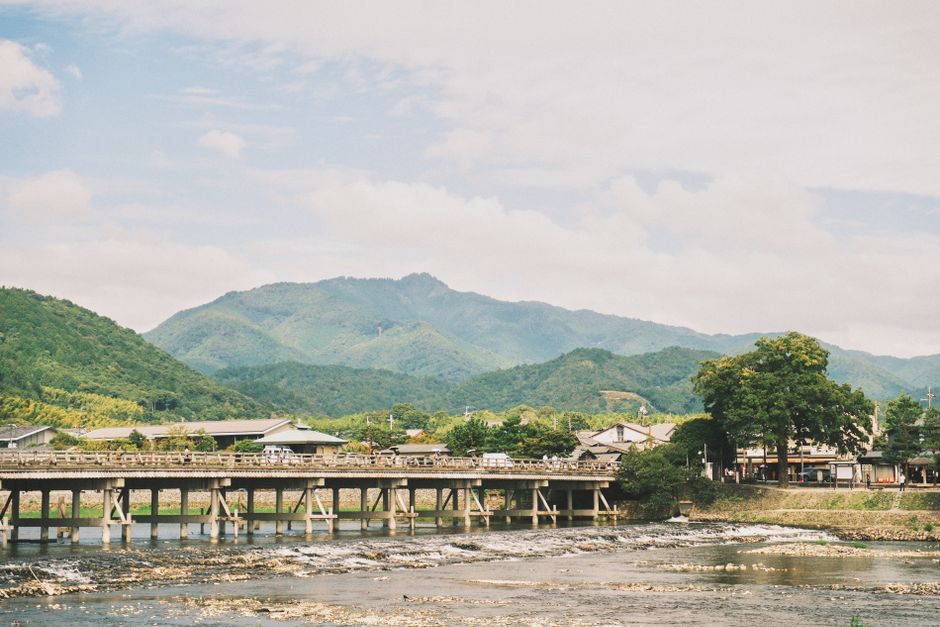
The wooden 'Moon Crossing Bridge' spanning the Hozu River—Arashiyama's iconic landmark. The current bridge dates to the 1930s but bridges have stood here since the 9th century. Views of mountains and river are classic Kyoto. The surrounding area has restaurants and boat rentals.
Highlights: Mountain views, river scenery, boat rentals, restaurant area
📍 View on Map
Iwatayama Monkey Park
Photo: Hayride Journal / Pexels
Iwatayama Monkey Park
Monkeys & Views
💰 ¥550 🚇 Near Togetsukyo Bridge 🚶 20 min hike from river
Hilltop park where Japanese macaques roam freely while humans stay in enclosed feeding areas—a reversal of typical zoos. The 20-minute uphill hike rewards with panoramic Kyoto views and monkey interactions. Feed the monkeys through wire mesh. Fun for families; good views regardless of monkey interest.
Highlights: Free-roaming monkeys, city views, feeding permitted, uphill hike required
📍 View on Map

⛩️ Temples

Tenryu-ji
Photo: AXP Photography / Pexels
Tenryu-ji
UNESCO Zen Garden
💰 ¥500 garden; +¥300 temple buildings 🚇 JR Saga-Arashiyama 🚶 5 min from station
The premier Zen temple of Arashiyama and a UNESCO World Heritage site. The garden, designed by famous monk Muso Soseki in the 14th century, is considered one of Japan's finest—mountains 'borrowed' as backdrop, pond reflecting temple and hills. Exit through the north gate directly into the bamboo grove.
Highlights: UNESCO site, Muso Soseki garden, bamboo grove connection, borrowed scenery
📍 View on Map
Gio-ji
Photo: Pixabay / Pexels
Gio-ji
Hidden Moss Temple
💰 ¥300 🚇 Walk from Arashiyama center 🚶 20 min north of Togetsukyo
Tiny moss temple hidden in the hills north of the main tourist area. The small thatched-roof hall surrounded by moss-covered grounds creates an atmosphere of refined melancholy. Associated with tragic tales of court dancers. Quiet, contemplative, utterly beautiful—one of Kyoto's hidden gems.
Highlights: Moss garden, thatched hall, quiet atmosphere, tragic history, hidden gem
📍 View on Map
Jojakko-ji
Photo: Salvador Chinchilla / Pexels
Jojakko-ji
Autumn Foliage Temple
💰 ¥500 🚇 Walk from Arashiyama center 🚶 15 min north of main area
Hillside temple famous for autumn foliage—the maple-covered approach and mountainside setting create spectacular November colors. The climb rewards with views over Kyoto. Less famous than major sites but beloved by those who find it. Spring is also pleasant; autumn is legendary.
Highlights: Best autumn colors, hillside climb, city views, maple tunnel
📍 View on Map

🚇 Getting Around

🔒 Getting Around - Available in paid tiers

🏨 Where to Stay

🔒 Where to Stay - Available in paid tiers

🍜 Food Guide

🔒 Food Guide - Available in paid tiers

Must-Try Dishes

💡 Dining Tips

Book Tours & Travel Essentials

Everything you need for Kyoto - tours, transfers, SIM cards & more

🚐 Day Trips & Tours

⭐ Things to Do

✈️ Travel Essentials

🔍 Search All Klook Experiences

Klook.com

🏨 Book Your Stay in Kyoto

Find the best hotels, hostels, and apartments

🏨
Hotels
All star ratings
🛌️
Hostels
Budget-friendly
🏠
Apartments
Home comforts
Resorts
Luxury stays
🔍 Search All Stays in Kyoto

Best price across Booking, Expedia, VRBO & more • Powered by Stay22

📋 Practical Information

🔒 Practical Info - Available in paid tiers

🌞 Sunny Travel Guides

The Confidence To Travel / Never Be Lost

© 2026 Sunny Travel Guides. All rights reserved.

🔍§ DEV MODE ACTIVE - Click venue photos to mark for replacement, click descriptions to edit

Â¸ Photo Replacement

Queue empty
0 photos marked on this page

Â Content Editor

0 descriptions edited

Ready to explore more?

Choose your guide level and get instant access

NEXT →