Japan
Where Ancient Traditions Meet Cutting-Edge Future
Find restaurants, attractions, hotels, or anything travel-related
Japan stretches 3,000 kilometers from subtropical Okinawa to subarctic Hokkaido—four main islands and thousands of smaller ones. Volcanic peaks include iconic Mount Fuji; hot springs bubble throughout. The landscape alternates between mountains (73% of the country) and intensely developed coastal plains. Cherry blossoms sweep north in spring; autumn colors flame south. Earthquakes, typhoons, and tsunamis are natural risks the Japanese have learned to manage with characteristic resilience.
Japanese culture balances ancient traditions with relentless innovation. Shinto spirituality coexists with Buddhist philosophy; both shape festivals, architecture, and daily rituals. The samurai era's influence persists in martial arts, aesthetics, and concepts like giri (duty) and honor. Post-war Japan channeled its energy into economic and technological achievement. Today's Japan faces demographic challenges while maintaining cultural vibrancy—from traditional arts to anime, from tea ceremony to convenience store innovation.
Travelers discover Japan through sensory immersion—the umami depth of ramen broth, the silence of a moss garden, the controlled chaos of Shibuya Crossing, the steam rising from an outdoor onsen. Navigating the train system becomes satisfaction; decoding vending machine offerings becomes adventure. Whether temple-hopping in Kyoto, skiing Hokkaido powder, or losing yourself in Tokyo's infinite neighborhoods, Japan rewards curiosity with experiences that reshape how you see the world.
Japanese identity draws from Shinto (nature spirituality), Buddhism (philosophical framework), Confucian values (social hierarchy), and samurai heritage (discipline, honor). Concepts like wabi-sabi (beauty in imperfection), mono no aware (pathos of things), and ikigai (life purpose) inform aesthetics and lifestyle. The tension between tradition (maintaining heritage) and innovation (embracing change) defines contemporary Japan.
Bow in greeting—depth indicates respect level. Remove shoes when entering homes, temples, and many traditional establishments. Don't tip—it can cause confusion or offense. Speak quietly on trains; phone calls are taboo. Don't eat while walking. Bathe thoroughly before entering onsen. Present business cards with both hands, receive with respect. Queuing is sacred; cutting lines is serious transgression.
Most Western nationalities receive visa-free entry for 90 days. Passport must be valid for duration of stay. Return ticket may be requested. Immigration is straightforward; biometrics collected on arrival. Working holiday visas available for some nationalities. Overstaying is taken extremely seriously.
Japan's reputation for expense is outdated—budget travel is possible with planning. Convenience store meals, capsule hotels, and rail passes help. Mid-range is comfortable; luxury is world-class. Tokyo and Kyoto are pricier than rural areas. The weak yen (2023-2024) has made Japan notably more affordable for Western visitors.
March-May, October-November
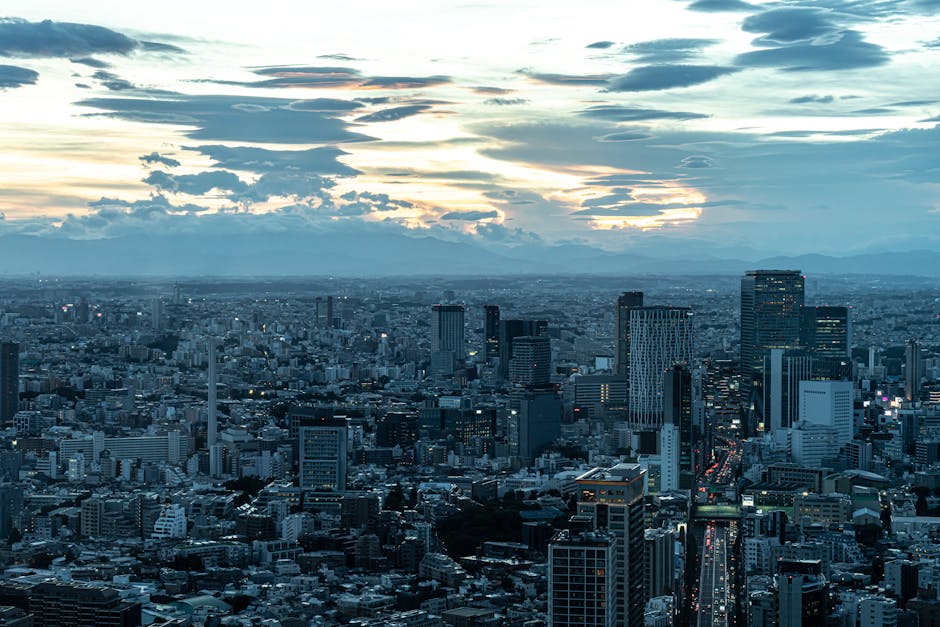
The world's largest metropolitan area—37 million people in a megalopolis of infinite neighborhoods, each with distinct character. Tokyo overwhelms then rewards: from Senso-ji's ancient atmosphere to Shibuya's scramble crossing, from Michelin-starred sushi to vending machine ramen, from imperial gardens to neon-drenched Shinjuku. You could spend a lifetime and never know it all.
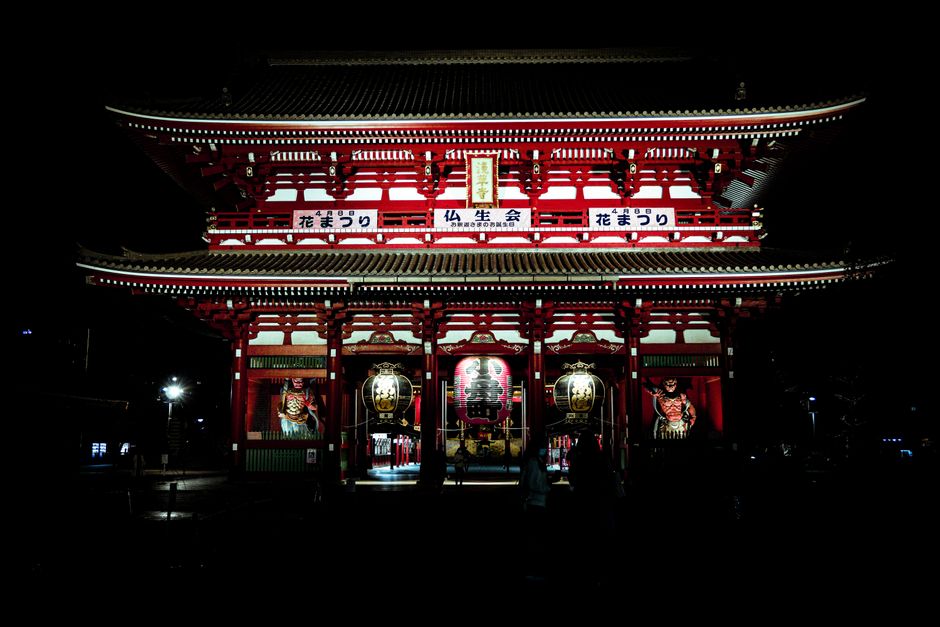
Tokyo's oldest and most visited temple—the great red lantern at Kaminarimon gate is iconic. Nakamise shopping street leads to the main hall; the five-story pagoda anchors the complex. Early morning offers peace before crowds descend. Evening illumination is magical.

Shinto shrine in 170 acres of forest—the transition from Harajuku's chaos to forested silence is remarkable. Dedicated to Emperor Meiji and Empress Shoken. The main shrine, sake barrels, and torii gates create serene atmosphere. Traditional weddings occur frequently.
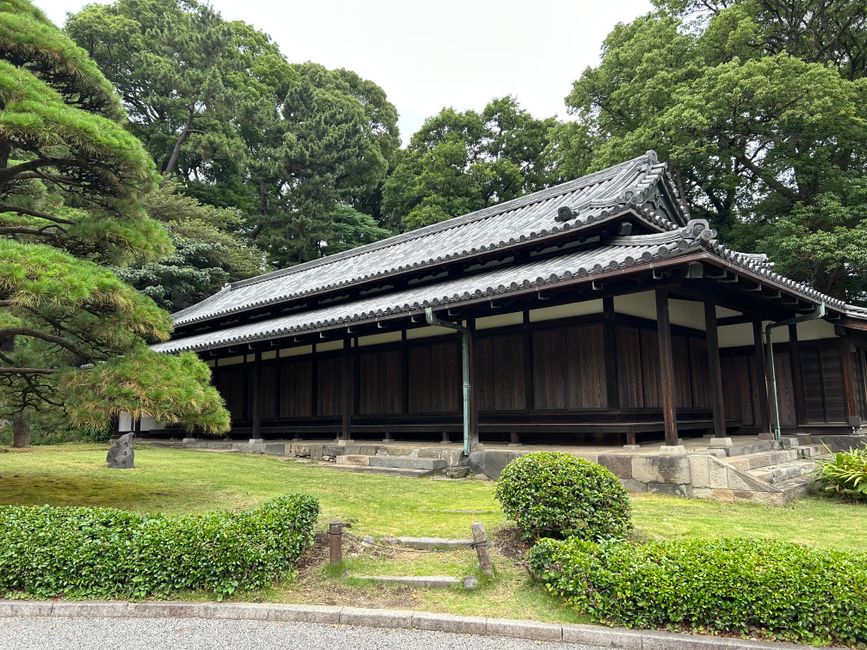
The only publicly accessible part of the Imperial Palace grounds—former Edo Castle's innermost circles. Stone walls, moats, and gardens hint at shogunate power. The palace itself remains closed except January 2 and Emperor's birthday.
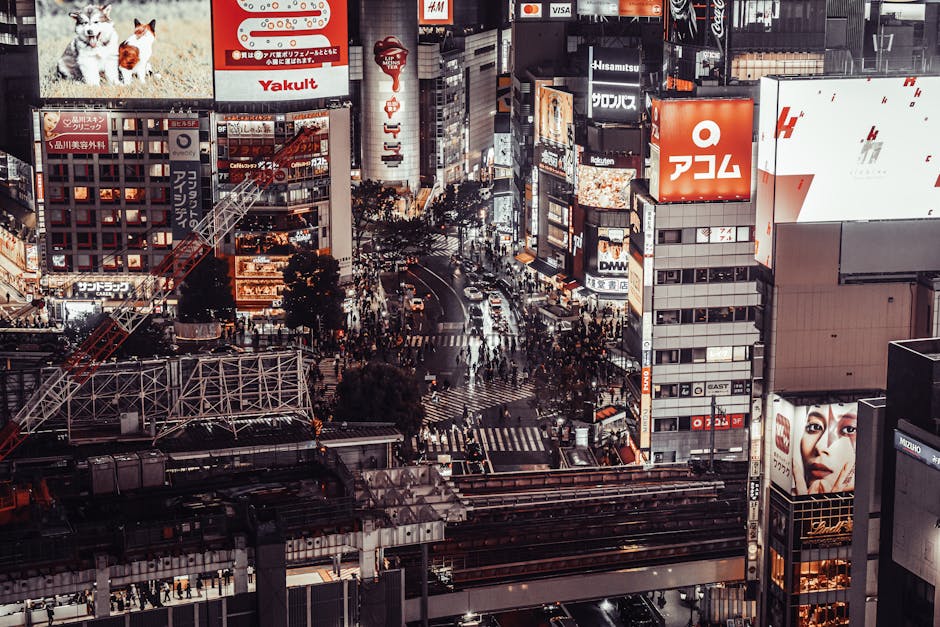
The world's busiest pedestrian crossing—up to 3,000 people cross each light change. Starbucks overlooking the crossing provides viewing; the Shibuya Sky observation deck offers aerial perspective. The quintessential Tokyo experience of controlled chaos.

Tokyo's entertainment and business center—the station handles 3.6 million daily passengers. East side offers Kabukicho's nightlife, Golden Gai's tiny bars, and Omoide Yokocho's yakitori alleys. West side has skyscrapers and the Metropolitan Government Building's free observation deck.
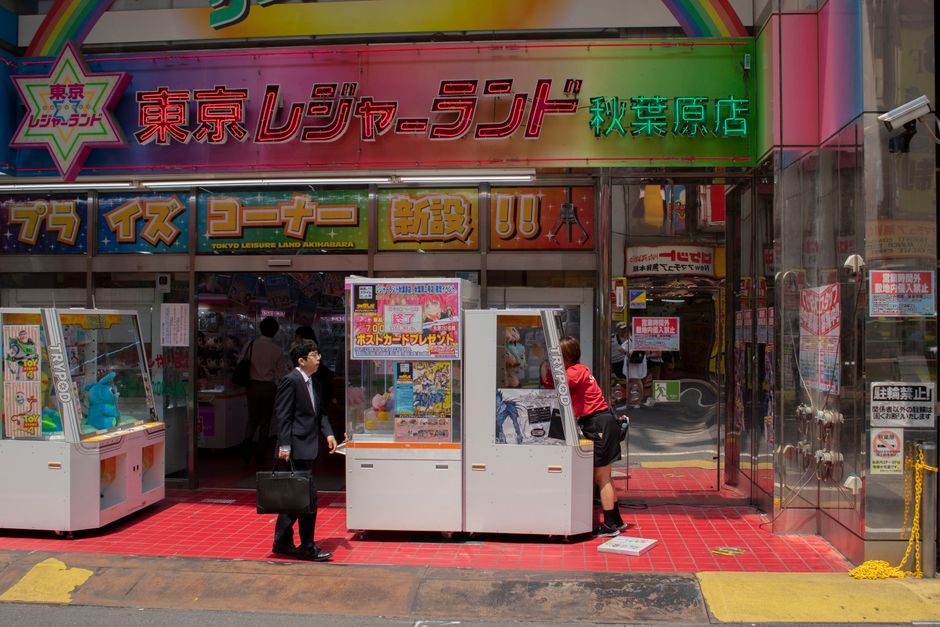
Electric Town turned anime/manga mecca—electronics, gaming, maid cafes, and otaku culture concentrate here. Multi-story arcades, figure shops, and themed cafes create sensory overload. The subculture capital of Japan.

Immersive digital art museum—wade through water, walk on mirrors, and lose yourself in infinite LED rooms. The barefoot, wet experience is unlike any museum. Book ahead; allow 2-3 hours. Transformative for those open to it.
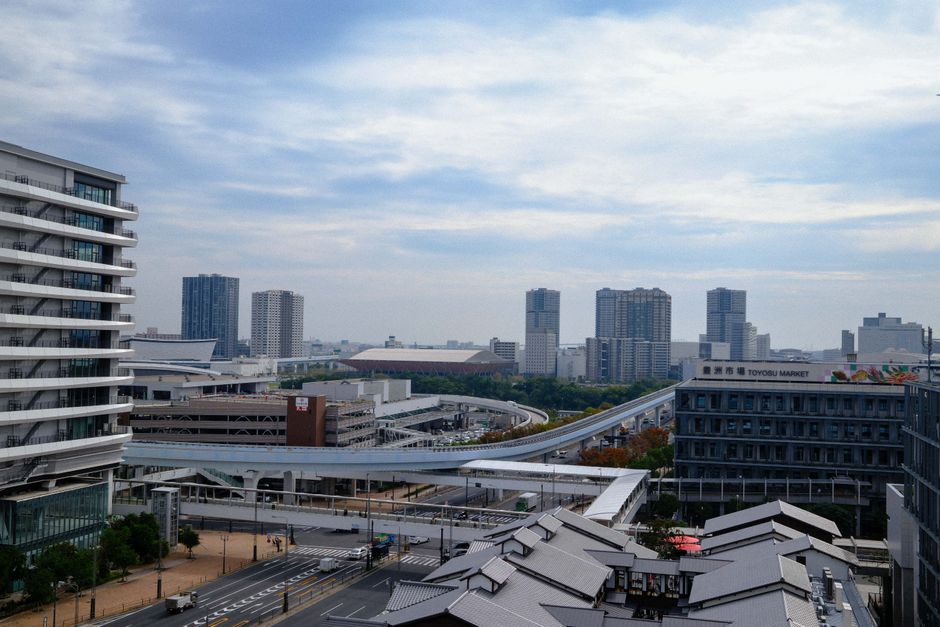
The successor to Tsukiji—world's largest fish market moved here in 2018. Tuna auctions (reservation required, 4:30am) are the spectacle; the outer market restaurants serve supremely fresh sushi for breakfast. Less atmospheric than old Tsukiji but more organized.

Eight famous ramen shops in Tokyo Station's basement—regional styles from across Japan in one location. Expect lines at popular shops; tickets purchased from machines. The efficient introduction to ramen's variety.
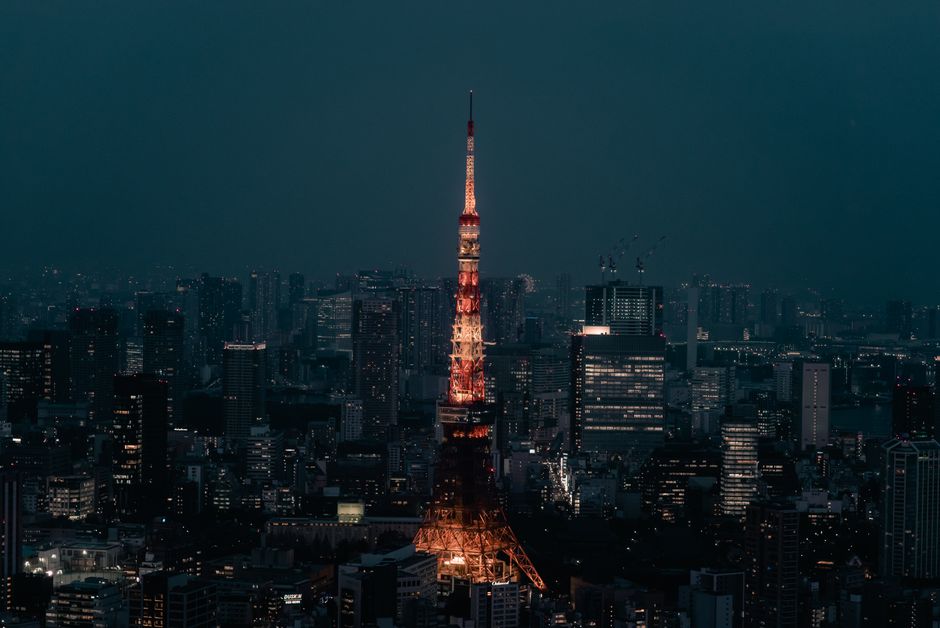
The 'Jiro Dreams of Sushi' restaurant—Jiro Ono (now 98) created perhaps the world's most famous sushi experience. 20 pieces, 30 minutes, ¥40,000+. Reservations extremely difficult; must book through hotel concierge. The pilgrimage for sushi devotees.

Memory Lane (aka Piss Alley)—narrow alley of tiny yakitori and kushiyaki joints surviving from post-war era. Smoke, beer, and grilled skewers in atmospheric squalor. Shinjuku's most characterful eating experience. Evening only; some shops cash-only.

The 'Lost in Translation' hotel—occupying floors 39-52 of Shinjuku tower. The New York Bar, pool with Fuji views, and impeccable service justify legendary status. The Tokyo luxury standard since 1994.
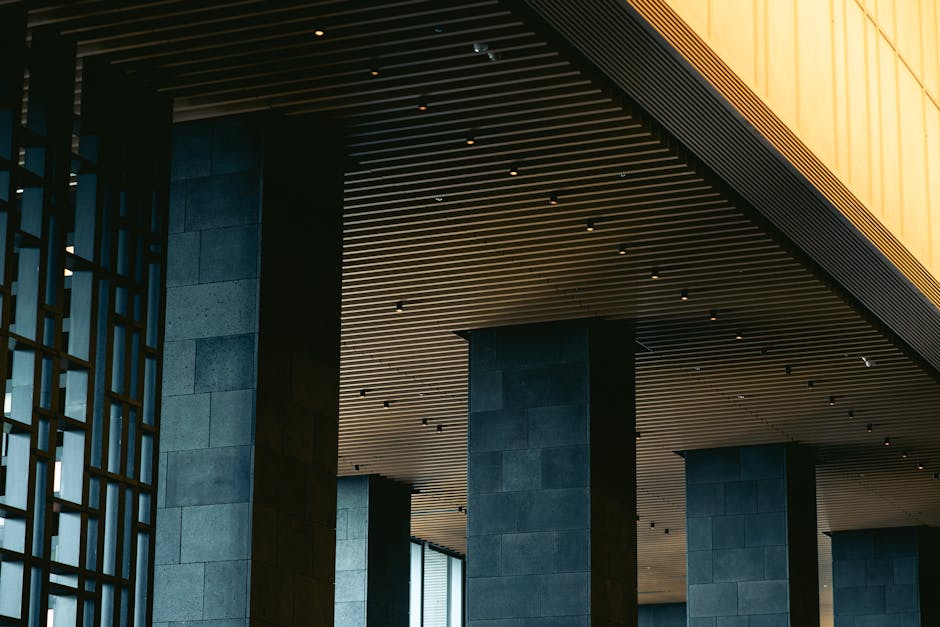
Minimalist luxury in Otemachi tower—traditional Japanese aesthetics in contemporary skyscraper. The spa and dining are exceptional; rooms are serene retreats from Tokyo's intensity. For those who prefer understatement to flash.

Design-forward capsule hotel—the futuristic pod experience done well. Showers, lockers, and sleeping pods in minimalist white. Multiple locations; Shinjuku and Shibuya are convenient. The capsule experience without the seediness.

Backpacker hostel in Asakusa—convenient for Senso-ji and budget-friendly exploration. Dorms and private rooms; common areas encourage socializing. The reliable budget option in traditional Tokyo neighborhood.
Japan's cultural heart—imperial capital for 1,000 years, home to 2,000 temples and shrines, and keeper of traditions from tea ceremony to geisha. Kyoto survived WWII intact; the historical density is unmatched. Gion's evening atmosphere, morning temple visits, and kaiseki dinners create the essential Japan experience.

Thousands of vermillion torii gates climbing forested Mount Inari—Japan's most photographed sight. The full loop takes 2-3 hours; the lower sections are crowded. Dawn or evening offers peaceful walking. Fox statues represent Inari's messengers.

The gold-leaf-covered pavilion reflecting in its mirror pond—perhaps Japan's most iconic image. Crowds are constant but the sight is genuinely spectacular. The current structure dates from 1955 (rebuilt after arson); the gold leaf was reapplied in 1987.

Japan's most famous Zen rock garden—15 stones in raked gravel, designed so one stone is always hidden from any viewpoint. The meaning is left to interpretation. The temple grounds include a beautiful pond garden. Contemplation is the activity.
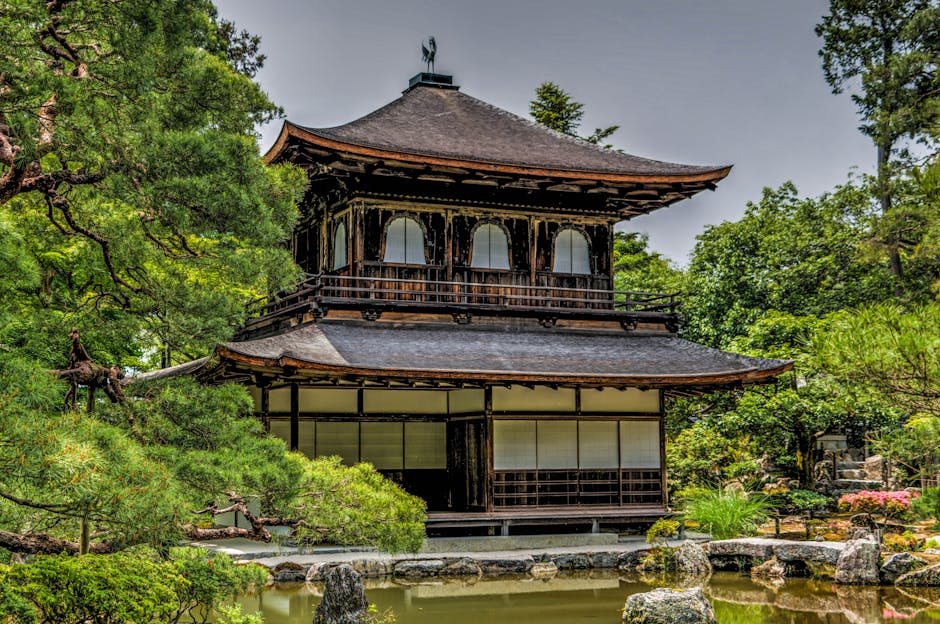
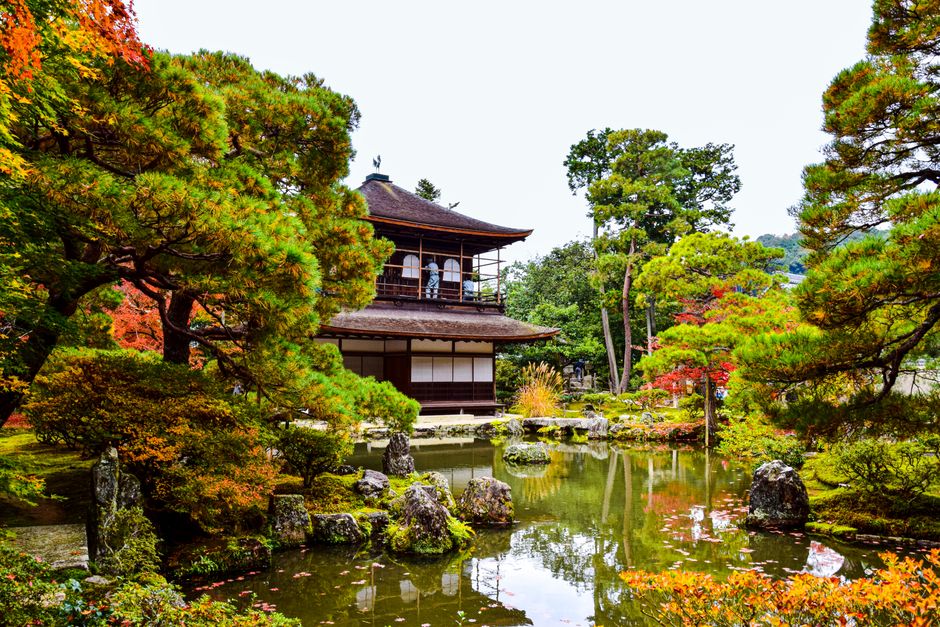
The counterpart to Kinkaku-ji—despite its name, never actually covered in silver. The moss garden and sand garden are the highlights; the building is more subtle than its golden sibling. The Philosopher's Path starts here.
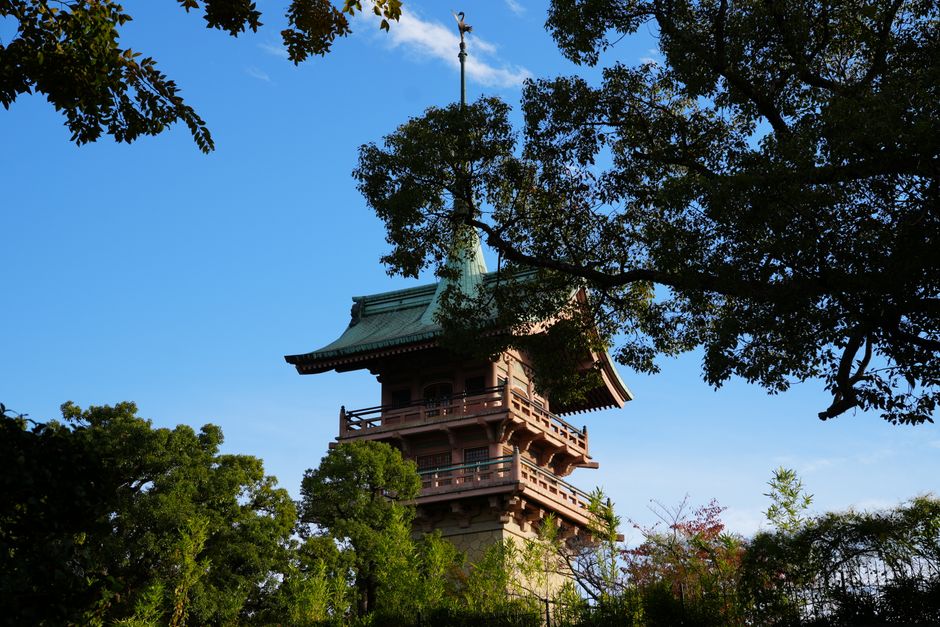
Kyoto's famous geisha district—wooden machiya houses, exclusive tea houses, and the possibility of glimpsing geiko or maiko in the evening. Hanami-koji street is the photogenic center. Restaurants and bars range from tourist-friendly to members-only.
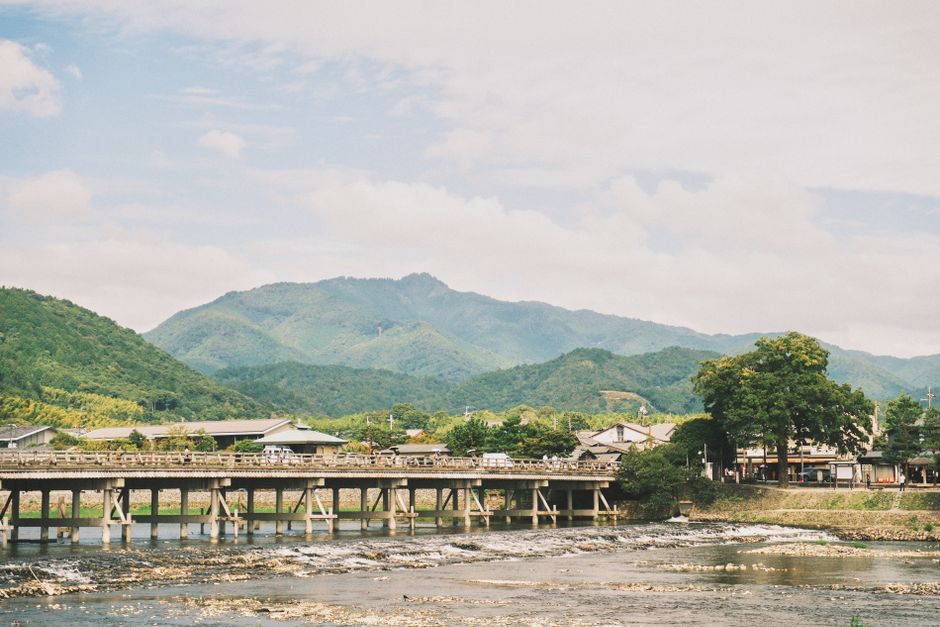
Western Kyoto district famous for its bamboo grove—towering stalks create ethereal corridor. The Tenryu-ji temple garden, monkey park, and river scenery add to the appeal. Extremely crowded; early morning is essential for bamboo photography.
The eastern mountains district—Kiyomizu-dera temple, Ninenzaka and Sannenzaka slopes, and preserved streetscapes. Walking from Gion through Higashiyama covers Kyoto's essential atmosphere. Allow half day; the slopes are steep.
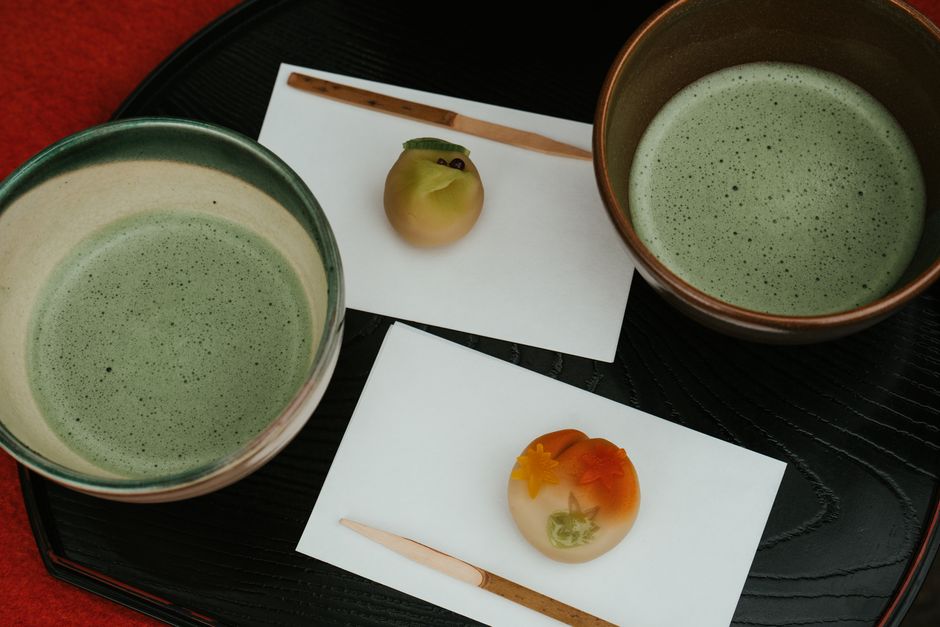
The ritualized preparation and serving of matcha—Kyoto is the center of tea culture. Experiences range from 45-minute introductions to full formal ceremonies. Camellia and En offer quality experiences; temple-based ceremonies add atmosphere.

Kyoto's kitchen—five blocks of food stalls, specialty shops, and prepared foods. Pickles, tofu, knives, sweets, and seasonal delicacies pack narrow arcade. Grazing through makes excellent lunch. Some shops offer tastings.

Sake brewing district south of central Kyoto—the water quality made Fushimi famous for brewing. Gekkeikan and Kizakura offer museum tours and tastings. The canal-side streets are atmospheric. Combine with Fushimi Inari visit.

Perhaps Japan's finest traditional inn—300 years of hospitality in 18 rooms. Kaiseki dinner, futon on tatami, private garden views, and service that anticipates every need. The ultimate Kyoto splurge; book months ahead.

Luxury ryokan accessible only by boat—the dramatic river approach sets the tone. Modern interpretation of tradition; rooms overlook the Oi River. Kaiseki dining, onsen, and activities from incense ceremony to boat rides.

Design hostel near Kyoto Station—the stylish budget option. Private rooms and dorms; excellent common areas and cafe. Convenient transportation hub location. Social atmosphere for solo travelers.
Japan's kitchen and comedy capital—Osaka's personality is louder, funnier, and more direct than Tokyo or Kyoto. The food obsession here produced takoyaki, okonomiyaki, and street eating culture. Dotonbori's neon and crowds, the castle's grandeur, and locals' warmth create essential counterpoint to other Japanese cities.

Osaka's neon heart—the Glico Running Man sign, mechanical crabs, and endless food stalls line the canal. Evening brings peak intensity. Street food grazing is the activity; the pure sensory overload is Osaka concentrated.

Toyotomi Hideyoshi's castle—reconstructed (concrete) but impressive. The surrounding park is vast; cherry blossom and autumn color seasons are spectacular. The museum inside covers Osaka history. Night illumination is popular.

Retro entertainment district—the Tsutenkaku Tower anchors an area built to mimic Paris and New York in 1912. Faded glory gives way to kushikatsu (fried skewer) restaurants and nostalgic atmosphere. Grittier than polished tourist areas.

Osaka's signature snack—battered octopus balls cooked in special pans. Wanaka and Kukuru are famous shops; street vendors crowd Dotonbori. The crispy exterior, gooey interior, and octopus chunk are addictive. Essential Osaka eating.

Savory pancake grilled on teppan—Osaka style mixes ingredients into batter. Toppings include pork, seafood, and vegetables; finished with sauce, mayo, bonito flakes, and seaweed. Mizuno and Chibo are legendary. Often cooked at your table.

Osaka's kitchen market—170 shops selling seafood, produce, and prepared foods. Fresh sashimi, grilled seafood, and tamagoyaki eaten standing at counters. Less touristy than Tokyo markets; local restaurateurs shop here.

Deep-fried skewers—Osaka's contribution to the world of fried foods. Everything from pork to lotus root to camembert gets the treatment. Daruma in Shinsekai is iconic. Golden rule: no double-dipping in communal sauce.

Luxury hotel in Festival Tower overlooking the river—contemporary design with Japanese touches. The spa, dining, and views from upper floors justify the price. Osaka's most refined accommodation option.
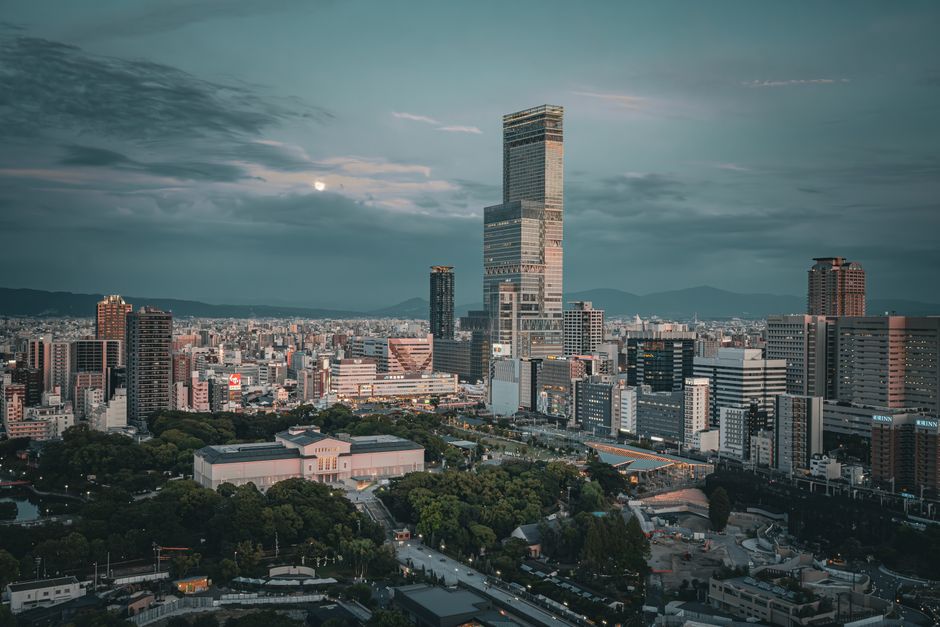
Design hotel in Shinsaibashi—excellent location for Dotonbori and shopping. Contemporary rooms, rooftop bar, and reasonable prices. The practical stylish choice in central Osaka.

Pod hotel reimagined—smart pods with motorized beds, projectors, and app control. Common areas designed for socializing. The capsule concept updated for modern travelers. Namba location is ideal.
Get all 6 cities with interactive neighborhood guides, insider tips, and full practical information
Upgrade Now →Tokyo and surroundings including Nikko, Kamakura, and Yokohama. Japan's population and economic center; the gateway for most visitors.
View on MapKyoto, Osaka, Nara, and Kobe—Japan's cultural heartland. Ancient capitals, temples, cuisine, and distinct regional character. Essential for first-time visitors.
View on MapJapanese Alps, traditional villages like Shirakawa-go, and historic Takayama and Kanazawa. Mountain scenery and preserved rural culture.
View on MapPeace memorials, Miyajima shrine, art islands of Naoshima. The San'yo coast offers distinct history and scenery from eastern Japan.
View on MapJapanese cuisine is UNESCO Intangible Cultural Heritage—seasonality, presentation, and quality obsession define the approach. Regional specialties vary dramatically; each city claims signature dishes. From Michelin-starred kaiseki to ¥500 ramen, quality is consistent. Convenience store food is genuinely excellent. The izakaya (pub) culture offers social eating and drinking. Breakfast often features rice, miso soup, and fish.
Shinkansen (bullet trains) connect major cities at 300km/h—efficient and punctual to the second. JR Pass offers unlimited travel on most JR lines for tourists. Local trains, subways, and buses serve cities efficiently. Domestic flights connect distant points. IC cards (Suica, Pasmo) work on most transit nationwide. Taxis are expensive but immaculate.
Everything you need for Japan - tours, transfers, SIM cards & more

Explore Japan with guided tours and unique experiences. From day trips to multi-day adventures.

Skip-the-line tickets to top attractions in Japan. Book ahead and walk right in.

Airport transfers, SIM cards, rail passes - everything you need for smooth travels.
Find the best hotels, hostels, and apartments
Best price across Booking, Expedia, VRBO & more • Powered by Stay22
Health: No required vaccinations. Medical care is excellent but expensive without insurance—travel insurance essential. Pharmacies stock familiar medications but labels are Japanese; bring prescriptions. Tap water is safe everywhere. Earthquakes occur—familiarize yourself with safety procedures. Summer heat can be dangerous; hydrate constantly.
Safety: Japan is extraordinarily safe—violent crime against tourists is virtually nonexistent. Lost items are often returned; wallets and phones left on trains frequently recovered. Petty theft is rare but not unknown in crowded areas. Natural disasters (earthquakes, typhoons, tsunamis) are real risks—follow official guidance. Drink spiking occasionally reported in nightlife areas.
🔒 Internet - Available in paid tiers
Japanese Yen (¥/JPY). Japan remains cash-dependent despite progress—many restaurants, small shops, and rural areas are cash-only. ATMs at convenience stores (7-Eleven, Lawson) accept foreign cards; post office ATMs reliable. Credit cards increasingly accepted in cities. Carry cash always; ¥10,000-20,000 ($70-135) daily is wise.