Italy
Where Art, History, and La Dolce Vita Unite
Find restaurants, attractions, hotels, or anything travel-related
Italy stretches from the Alps to the Mediterranean, a boot-shaped peninsula plus Sicily and Sardinia. The geography created isolation that preserved regional identities—Piedmont differs from Puglia, Venice from Naples. Mountains dominate the north; rolling hills characterize Tuscany and Umbria; the south bakes in Mediterranean heat. Coastlines offer everything from the Riviera's glamour to Calabria's wildness.
Italian history layers Roman foundations beneath medieval towers beneath Renaissance palaces beneath baroque churches. Unified only since 1861, Italy remains a collection of fierce regional identities. The Renaissance invented modern art, banking, and political theory here; the Roman Empire shaped Western civilization. Today's Italy balances this heritage with contemporary creativity in fashion, design, and food innovation.
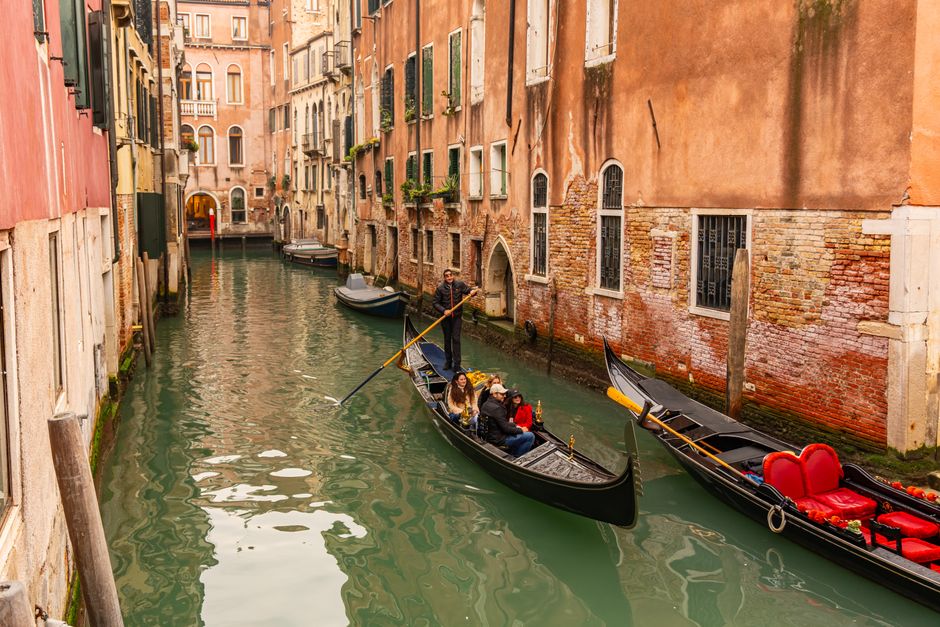
Travelers discover Italy through its rhythms—the morning espresso ritual, the afternoon passeggiata, the long dinner with multiple courses. Rushing defeats the purpose; the pleasures demand lingering. Whether contemplating Michelangelo's David, watching gondolas drift past, climbing Cinque Terre's trails, or simply eating the perfect pasta, Italy rewards those who slow down and pay attention.
Italian identity draws from Roman heritage, Catholic tradition, Renaissance humanism, and regional pride. Family remains central; multi-generational bonds persist. Food and wine connect to place—terroir matters for cuisine as much as grape. Art is not museum abstraction but lived environment. The concept of 'la dolce vita' (the sweet life) represents the commitment to pleasure and beauty that defines Italian aspiration.
Greet with 'buongiorno' (morning) or 'buonasera' (evening) upon entering shops and restaurants. Dress well; Italians judge appearance. Cover shoulders and knees in churches. Espresso is drunk standing at the bar; sitting costs more. Dinner starts late (8pm earliest); lunch is the main meal traditionally. Tipping is modest—round up or leave small change.
Schengen Area member—US, Canadian, UK, and most Western citizens receive visa-free entry for 90 days within 180-day period. Passport must be valid for 3 months beyond planned departure. EU/EEA citizens have freedom of movement. No registration required for tourist stays.
Italy is moderately expensive—cheaper than northern Europe, pricier than southern Europe. Tourist areas command premiums; moving off the beaten path saves money. Excellent budget food exists (pizza al taglio, aperitivo buffets). Accommodation ranges widely. Train travel is affordable; car rental adds flexibility but parking and ZTL (limited traffic zones) frustrate.
April-June, September-October
The Eternal City—layers of history from ancient empire through papal power to modern capital. The Colosseum, Vatican, and Trevi Fountain are just the beginning; every neighborhood reveals more. Rome rewards wandering; the best discoveries happen when lost. The city's chaos is part of its charm; the beauty is inexhaustible.

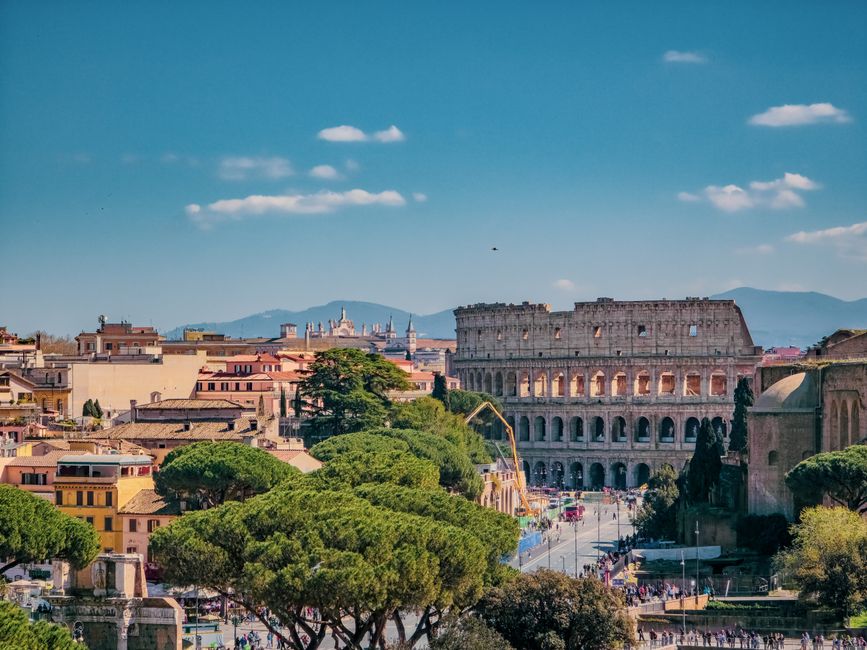
The iconic amphitheater—50,000 spectators watched gladiatorial combat and spectacles. The scale still impresses; the engineering amazes. Book timed entry online to skip lines; underground and upper tier tours add depth. Essential but crowded.
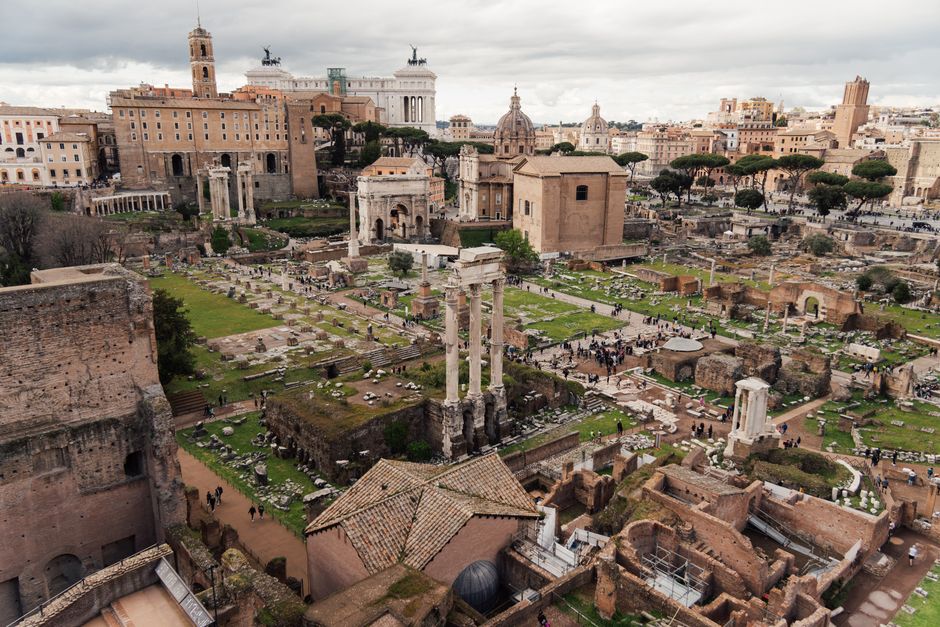
The political and religious heart of ancient Rome—temples, basilicas, and triumphal arches in atmospheric ruin. The Palatine Hill above was the emperors' residence; gardens and palace foundations remain. Combined ticket with Colosseum; allow half day.

The best-preserved ancient Roman building—the unreinforced concrete dome remained the world's largest for 1,300 years. The oculus opens to sky; rain falls through onto the floor. Now a church; free entry but timed tickets required.

One of the world's great museum complexes—miles of galleries leading to the Sistine Chapel's Michelangelo ceiling. The crowds are crushing; book ahead or visit Friday night openings. The Raphael Rooms rival the Sistine in quality.
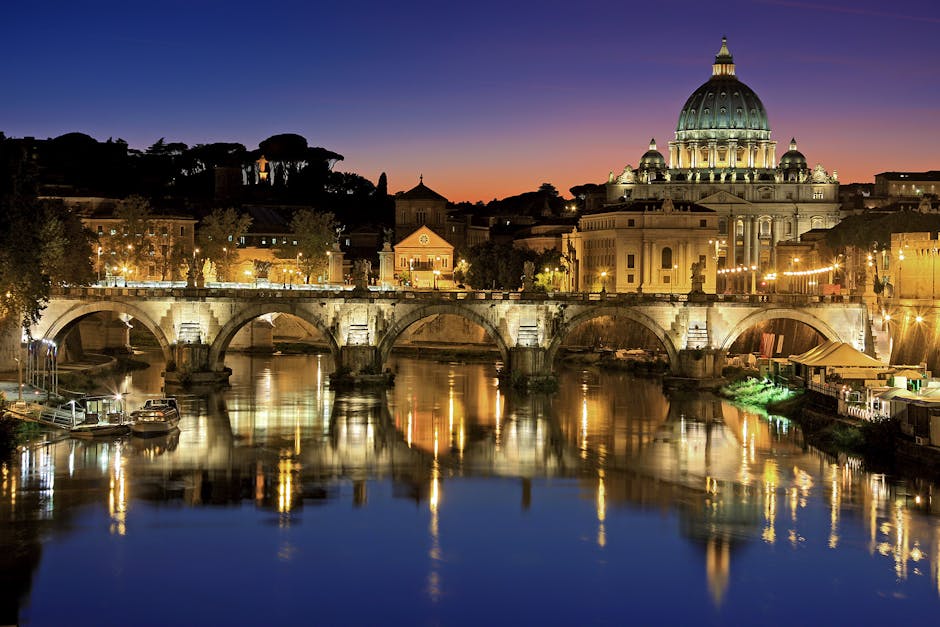
The world's largest church—Michelangelo's dome dominates Rome's skyline. The interior overwhelms with scale, art, and marble. Climb the dome for panoramic views. Dress code enforced; security lines can be long. Free entry to basilica.

Bernini's masterpiece—the colonnades embrace visitors like 'the motherly arms of the church.' The Egyptian obelisk centers the ellipse. Papal audiences on Wednesdays; Sunday Angelus from the papal window. Architecture as theater.
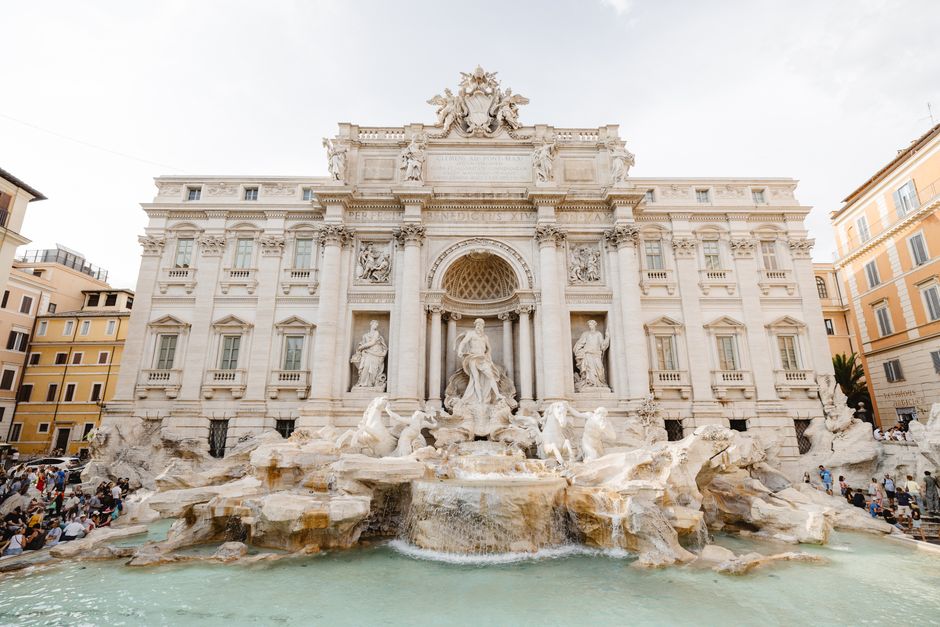
The baroque fountain that launched a thousand coin tosses—Neptune's chariot dominates the facade. Throw a coin over your shoulder to ensure return to Rome. Crowded always; midnight visits are magical but still busy.

Rome's most elegant square—built on Domitian's stadium, now showcasing Bernini's Fountain of the Four Rivers. Cafes overcharge but the people-watching justifies. Street artists and performers add atmosphere. Christmas brings a market.

The neighborhood 'across the Tiber'—cobblestone streets, ivy-covered buildings, and Rome's best nightlife and dining. Touristy but retains character. Evening is prime time; the medieval streets come alive. Restaurants vary from tourist traps to excellent.
Tiny Trastevere trattoria serving definitive Roman classics—cacio e pepe, carbonara, amatriciana. No reservations; queue early or late. The quality justifies the wait; the simplicity defines Roman cooking.

Gourmet deli, bakery, and restaurant—excellent Roman cuisine with premium ingredients. The carbonara is legendary; the wine list is extensive. Reservations essential for restaurant; deli counter for quick bites.

Rome's best food market—covered market serving locals and increasingly food tourists. The trapizzino (stuffed pizza pocket) was invented at nearby Trapizzino stall. Excellent for lunch grazing. Morning hours best.

Luxury hotel near Piazza del Popolo—terraced gardens, Stravinskij Bar, and celebrity clientele. The secret garden is an oasis; the location is prime. Rocco Forte elegance without stuffiness.

Boutique hotel overlooking the famous market square—rooftop terrace with panoramic views. Rooms are cozy (small); the location is unbeatable. Book terrace rooms for best experience.
American-owned boutique hostel near Termini—private rooms and dorms with style. Vegetarian cafe, art exhibitions, and welcoming atmosphere. The budget option with personality.
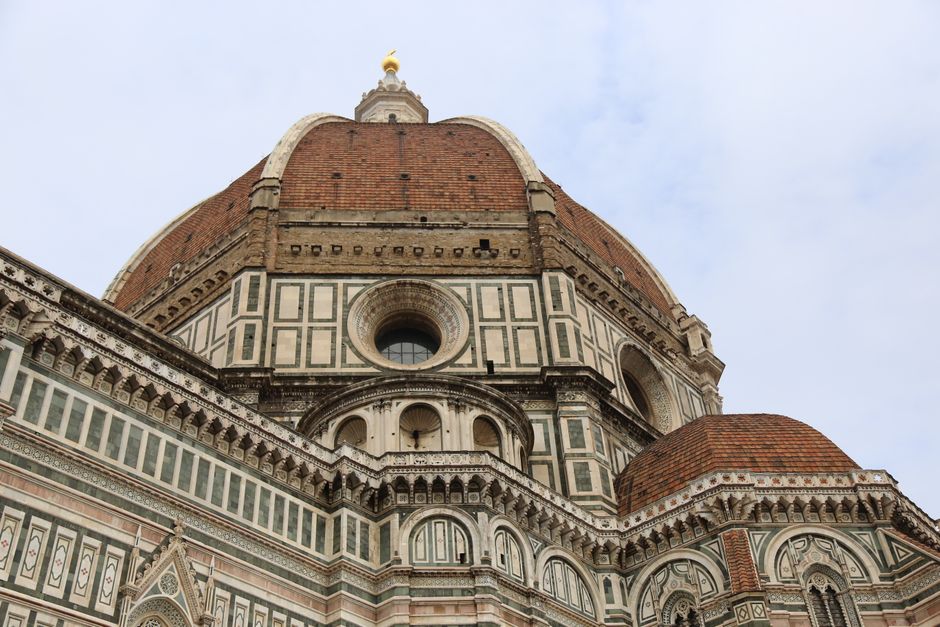
The cradle of the Renaissance—Brunelleschi's dome rises above a city that changed human history. The Uffizi, Accademia (David), and countless churches hold incomparable art. Florence is smaller and more walkable than Rome; the concentration of genius per square meter is unmatched. The Tuscan hills beckon beyond.
One of the world's supreme art collections—Botticelli's Birth of Venus and Primavera, works by Leonardo, Raphael, Caravaggio, and more. The building itself was Medici administrative offices. Book ahead; still expect crowds. Plan half day minimum.

Home of Michelangelo's David—the original, not the replica in the piazza. The approach through unfinished 'Prisoners' creates dramatic buildup. The museum is otherwise modest; David is the point. Book ahead or queue early.

Medici palace complex across the Arno—multiple museums including Palatine Gallery (Raphael, Titian), royal apartments, and costume gallery. The Boboli Gardens behind offer Renaissance landscape design. Allow full day for both.

Brunelleschi's dome was the largest in the world for centuries—the engineering innovation that launched the Renaissance. Climb 463 steps inside the dome for views and fresco close-ups. The exterior's marble facade is 19th century; the baptistery doors are bronze masterpieces.

Franciscan church containing tombs of Michelangelo, Galileo, Machiavelli, and Rossini. Giotto frescoes in the chapels; the leather school behind produces fine goods. The 'Pantheon of Florence' for Italian genius.

The iconic medieval bridge lined with jewelry shops—gold and silver replaced butchers in 1593 by Medici decree (butchers smelled bad). Sunset views from the bridge are classic; the Vasari Corridor runs above. Free to walk across.

Two-story market—ground floor is traditional produce and meat vendors; upstairs is modern food court with artisan stalls. Lampredotto (tripe sandwich) is the Florentine street food. Morning market; all-day upstairs dining.

The legendary sandwich shop—queues wrap around the block for schiacciata (flatbread) stuffed with cured meats, cheeses, and spreads. Multiple locations now but original on Via dei Neri is sacred. Worth the wait.
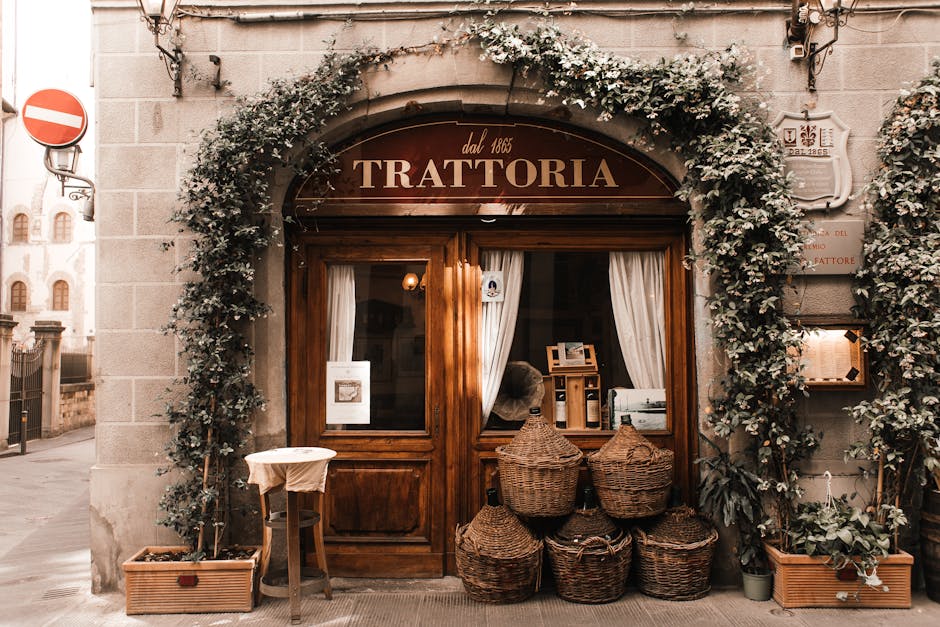
No-frills lunch institution since 1953—communal tables, handwritten menu, and Florentine classics. Cash only; no reservations; closes at 3:30pm. The authentic Florentine trattoria experience; tourists and locals share tables.
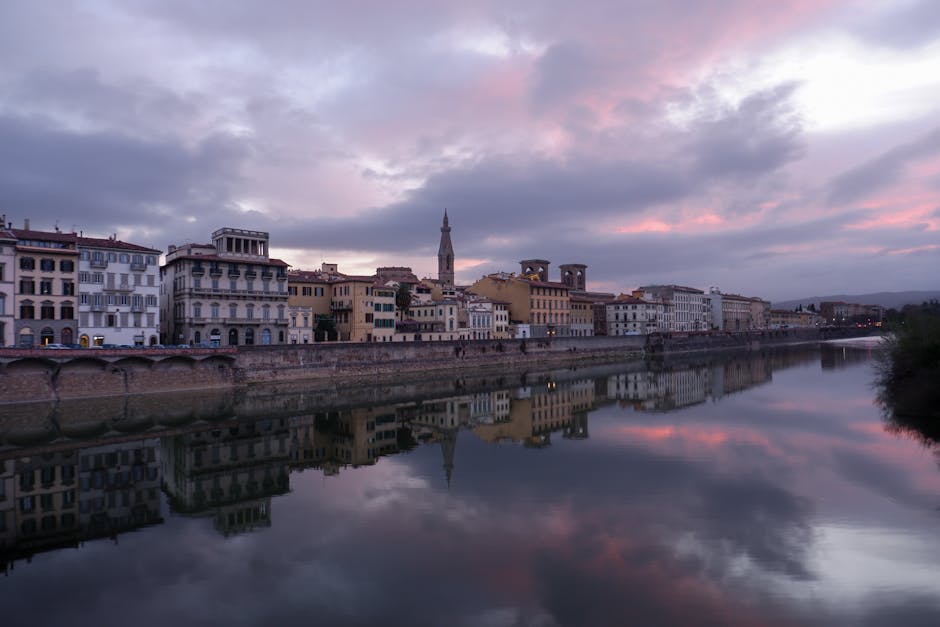
Ferragamo family's riverside hotel—Ponte Vecchio views, private art collection, and elegant rooms. The Borgo San Jacopo restaurant has Michelin star. The stylish address on the Arno.
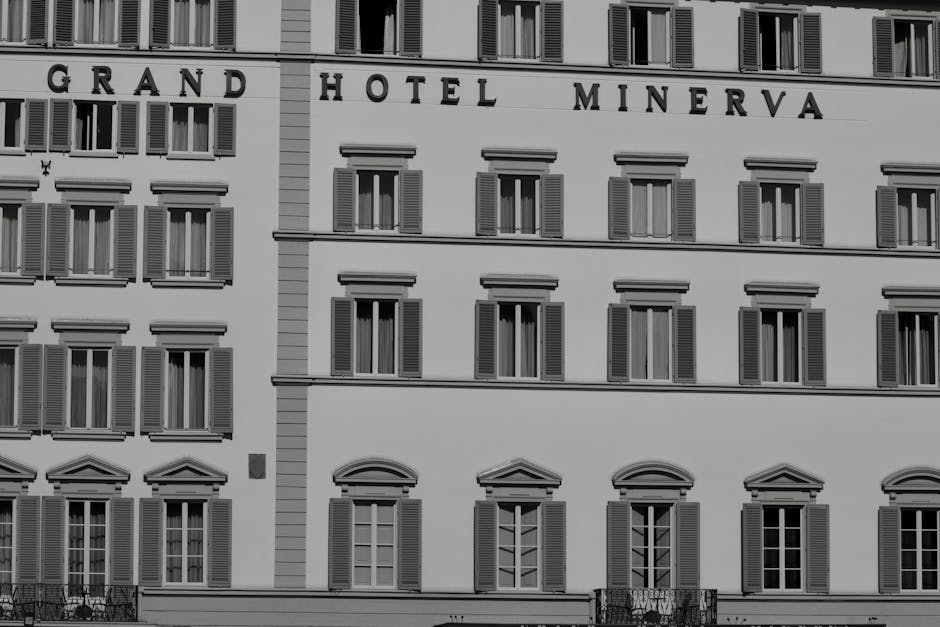
Family-run hotel in 14th-century palazzo—excellent value in central location. Frescoed ceilings, rooftop terrace, and genuine hospitality. The mid-range option with character.

Design hostel with pool—rare amenity for Florence budget accommodation. Dorms and private rooms; bar and restaurant on-site. Slightly outside center but excellent value.
The impossible city—built on water, existing against logic, beautiful beyond reason. Canals replace streets; boats replace cars; getting lost is the point. Venice is sinking, flooding, and overcrowded yet remains utterly magical. The tourism is overwhelming; the rewards are transcendent. Go anyway.

Byzantine cathedral dripping with gold mosaics—Venice's patron saint's remains lie within. The four bronze horses (originals inside) were looted from Constantinople. Free entry to basilica; paid access to museum, pala d'oro, and treasury. Lines are long.

Gothic masterpiece that was Venice's seat of power—the Doge's apartments, council chambers, and prisons connected by the Bridge of Sighs. Tintoretto's Paradiso is the world's largest oil painting. Secret itineraries tour reveals hidden passages.

The bell tower dominating St. Mark's Square—collapsed in 1902 and was rebuilt 'com'era, dov'era' (as it was, where it was). Elevator to top provides panoramic lagoon views. Lines can be long; book ahead or come early.
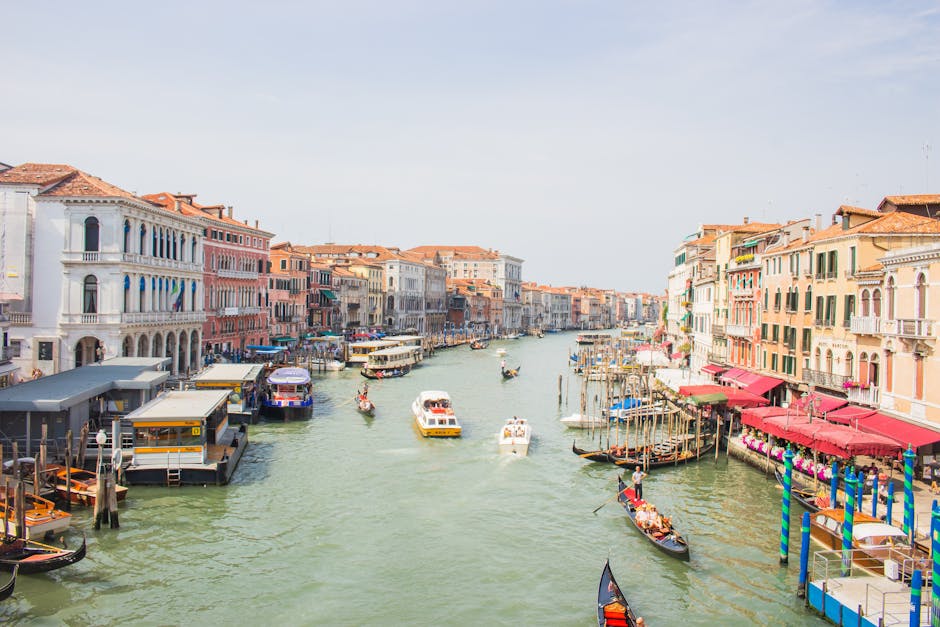
Venice's main 'street'—3.8km of palaces, churches, and bridges. Take vaporetto line 1 for the slow cruise; line 2 for speed. Sunset and evening rides are magical. The gondola traghetti cross at various points for €2.

The oldest bridge spanning the Grand Canal—the 16th-century stone arch replaced wooden predecessors. The nearby fish market (morning, closed Sunday-Monday) shows working Venice. The area is crowded but essential.

The quieter southern sestiere—home to Peggy Guggenheim Collection, Accademia Gallery, and university students. Campo Santa Margherita offers local nightlife; the Zattere waterfront provides Giudecca views. Less touristy than San Marco.
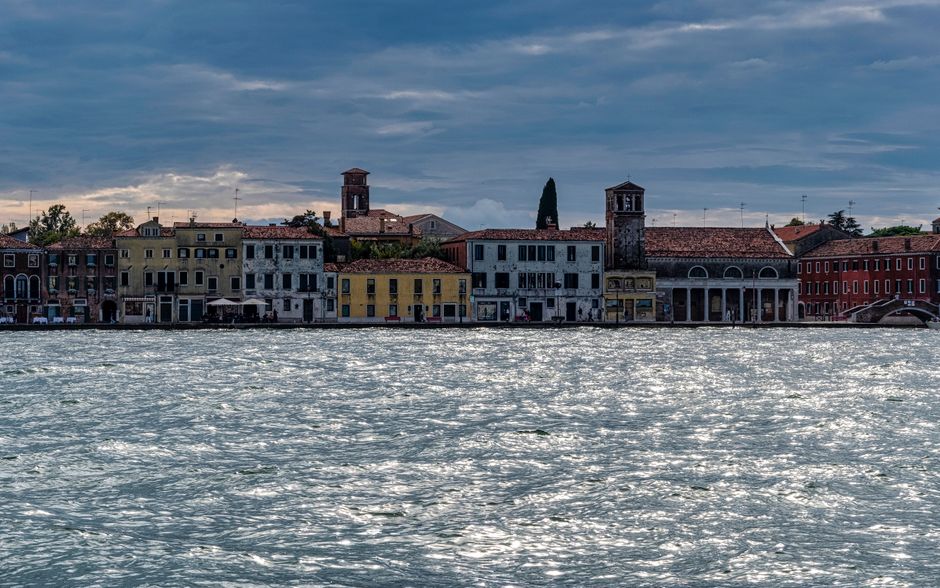
Lagoon islands for day trips—Murano for glassmaking (furnace demonstrations, museum), Burano for colorful houses and lace. Ferries from Fondamente Nove; half day each. Less crowded than main island; more authentic crafts.
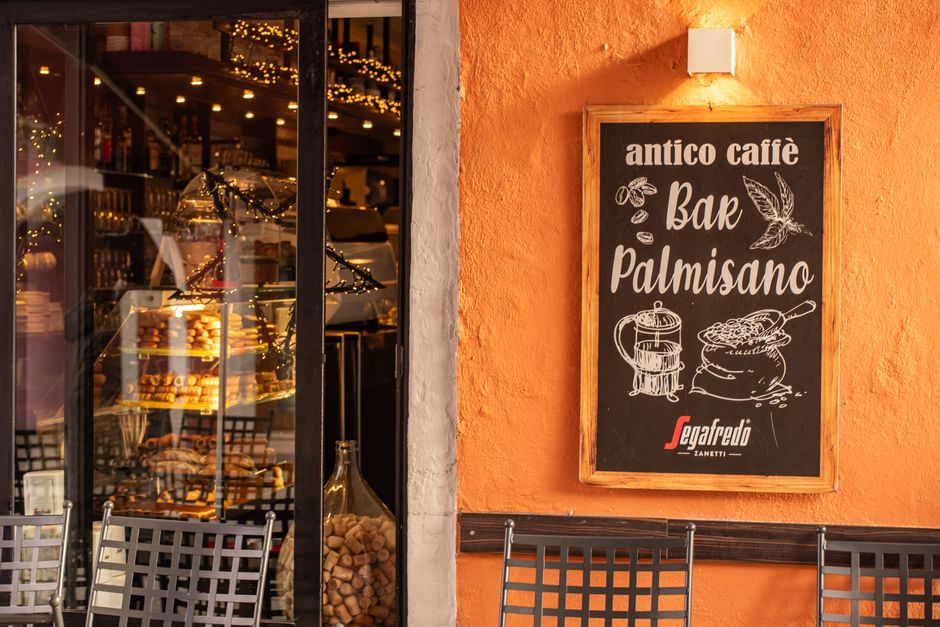
Venetian tapas—small plates eaten standing at bar counters. All'Arco (near Rialto), Cantinone Già Schiavi (Dorsoduro), and others serve baccalà, sardines, and crostini with local wines. The Venetian aperitivo tradition.

Classic seafood restaurant near Rialto—packed with locals and tourists for traditional Venetian fish dishes. No reservations; queue at opening. The fritto misto and pasta with seafood are reliable. Cash only.

Grand Canal legend—15th-century palazzo turned Venetian luxury. Hemingway's favorite; the terrace restaurant overlooks the water. Rooms vary; request canal views. The ultimate Venetian hotel experience.

Boutique hotel in Santa Croce—quieter neighborhood near train station. 18th-century palazzo with garden (rare in Venice). Good value for location; authentic atmosphere without San Marco crowds.
Design hostel on Giudecca island—converted granary with lagoon views. Ferry ride to main island adds adventure; the rooftop bar has best-value views in Venice. Dorms and private rooms.
Get all 6 cities with interactive neighborhood guides, insider tips, and full practical information
Upgrade Now →Milan's fashion, Venice's canals, Verona's romance, and the Lakes. Alps provide backdrop; industry provides wealth. More European than Mediterranean in feel.
View on MapRome's empire, Florence's Renaissance, Tuscany's hills, and Umbria's quiet beauty. The tourist heartland with reason—the density of art and history is unmatched.
View on MapNaples' chaos, Pompeii's tragedy, Amalfi's drama, and Puglia's rising star. More Mediterranean; slower pace; different character from the north.
View on MapThe island where civilizations collided—Greek temples, Norman churches, Arab markets, and volcanic drama. A separate world requiring dedicated time.
View on MapItalian cuisine is regional—what's authentic in Bologna differs from Rome differs from Naples. The concept of 'cucina povera' (poor cooking) created dishes from humble ingredients elevated by technique. Fresh, seasonal, local ingredients matter more than complexity. Meals follow structure: antipasto, primo (pasta/rice), secondo (meat/fish), contorno (vegetables), dolce (dessert). Coffee punctuates the day; wine accompanies meals.
Trenitalia and Italo operate high-speed trains connecting major cities (Rome-Florence 1.5 hours; Rome-Milan 3 hours). Regional trains serve smaller destinations. Buses reach areas trains don't. Domestic flights connect distant points. Car rental useful in Tuscany, Puglia, and Sicily but cities are nightmare. Ferries connect coastal areas and islands.
Everything you need for Italy - tours, transfers, SIM cards & more

Explore Italy with guided tours and unique experiences. From day trips to multi-day adventures.

Skip-the-line tickets to top attractions in Italy. Book ahead and walk right in.

Airport transfers, SIM cards, rail passes - everything you need for smooth travels.
Find the best hotels, hostels, and apartments
Best price across Booking, Expedia, VRBO & more • Powered by Stay22
Health: No required vaccinations. Healthcare is good; EU citizens should carry EHIC card. Travel insurance strongly recommended for non-EU visitors. Pharmacies (farmacia) handle minor ailments and stock many medications without prescription. Tap water is safe; natural springs provide some of Italy's best water. Summer heat requires sun protection and hydration.
Safety: Italy is generally safe. Pickpocketing is common at tourist sites, on transit, and in crowds—watch bags and pockets especially in Rome, Florence, Naples, and Milan. Scams target tourists (overcharging, fake petitions, distraction theft). Naples requires more street awareness. Driving in southern Italy demands defensive skills. Emergency number is 112.
🔒 Internet - Available in paid tiers
Euro (€). Credit cards widely accepted in cities and tourist areas; smaller towns and rural areas often prefer cash. ATMs (bancomat) widespread. Some businesses add surcharges for cards; cash may offer discounts. Carry cash for small purchases, markets, and rural areas.
Italy captivates with its unparalleled art, cuisine, and lifestyle—and increasingly, with extraordinary opportunities to own property for almost nothing. From €1 houses in depopulating villages to the 7% flat tax for Southern relocators, Italy is actively trying to attract new residents. La dolce vita is real, and it's more accessible than ever for those willing to embrace small-town Italian life.
Italy's Elective Residence Visa is designed for non-EU citizens who can support themselves without working. It's the primary path for American and other non-EU retirees.
Cannot work in Italy. Must demonstrate stable passive income (pension, investments, rental). Path to permanent residency after 5 years, citizenship after 10 years.
Options include €250K innovative startup, €500K Italian company, €1M bonds, €2M government bonds. Can work in Italy.
New as of 2024. For remote workers with non-Italian clients. Can convert to standard residency.
Italy offers a special 7% flat tax on all foreign income for retirees who move to towns under 20,000 population in Southern Italy (Abruzzo, Molise, Campania, Puglia, Basilicata, Calabria, Sardinia, Sicily). Valid for 10 years. Significant savings compared to Italy's normally high taxes.
Italy varies dramatically by region. Milan and Rome are expensive; Puglia, Calabria, and Sicily offer exceptional value. Small towns throughout are very affordable.
| Expense | Monthly Cost |
|---|---|
| Rent (2BR apartment, Rome/Milan) | €1,400-2,200 |
| Rent (2BR apartment, Florence/Bologna) | €1,000-1,600 |
| Rent (2BR apartment, Puglia/Sicily) | €500-900 |
| Utilities (electric, gas, water, internet) | €150-250 |
| Groceries (incredible quality) | €300-450 |
| Dining out | €200-400 |
| Health insurance (private) | €150-350 |
| Transportation | €50-150 |
Total: €1,500-4,000/month depending on location and lifestyle
Italy's public healthcare system (SSN) is excellent and available to legal residents. Quality is high throughout, with some of Europe's best hospitals.
Most €1 house options (Sambuca, Mussomeli, Troina). Incredible history, cuisine, beaches. Very affordable. 7% flat tax eligible. Warm climate year-round.
📍 View on MapItaly's best value with stunning beaches and whitewashed towns. Biccari has €1 houses. Lecce is the 'Florence of the South.' 7% flat tax region.
📍 View on MapBeaches, mountains, and Italy's lowest costs. Cinquefrondi offers €1 houses. Authentic, untouristy, 7% flat tax eligible. Growing expat interest.
📍 View on MapMountains meet sea, 90 minutes from Rome. Very affordable, authentic Italy, established expat community. 7% flat tax eligible. Some €1 programs emerging.
📍 View on MapIsland paradise with unique culture. Ollolai offers €1 houses in stunning mountain setting. Blue Zone longevity region. More remote but spectacular.
📍 View on MapClassic dream destination: hills, cypress trees, wine, art. No €1 programs but small towns remain affordable. Higher costs, higher polish.
📍 View on Map