🇹🇷 Welcome to Istanbul
Istanbul is where continents collide, where minarets pierce the same skyline as Byzantine domes, where the call to prayer echoes across the Bosphorus while ferries shuttle between Europe and Asia. This is a city of 15 million that has been the capital of three empires—Roman, Byzantine, and Ottoman—and every layer of that history remains visible in its streets. The Hagia Sophia alone tells 1,500 years of human drama, from Christian cathedral to Islamic mosque to secular museum and back to mosque again. But Istanbul isn't a museum; it's alive with kebab smoke drifting from grill houses, the chaos of the Grand Bazaar's 4,000 shops, fishermen casting lines off the Galata Bridge, and rooftop bars overlooking the glittering strait. The city demands stamina—its hills are steep, its traffic legendary, its crowds relentless—but rewards curiosity at every turn. Whether you're haggling for carpets in the bazaar, watching whirling dervishes, or sipping Turkish tea in a centuries-old hammam, Istanbul delivers experiences found nowhere else on Earth.
Understanding Istanbul
Istanbul's identity is shaped by its geography—the only city in the world straddling two continents. The Bosphorus strait divides Europe from Asia, and this physical divide mirrors cultural complexity. The European side holds most tourist sites: Sultanahmet's imperial mosques and palaces, Beyoğlu's 19th-century grandeur, and the Golden Horn waterway. The Asian side (Kadıköy, Üsküdar) offers a more local, residential feel. Turks are famously hospitable—expect tea offered in shops, genuine conversations, and pride in their cuisine. Islam is central to daily life (you'll hear the ezan call to prayer five times daily), but Istanbul is also secular and cosmopolitan. Politics can be sensitive; avoid criticizing Atatürk or current leadership. The economy has faced inflation, making Istanbul surprisingly affordable for Western visitors while creating hardship for locals. Tip generously, support small businesses, and remember that behind the tourist facade is a city of real people navigating real challenges.
⚡ Essential Istanbul Tips
• Get an Istanbulkart transit card immediately—it works on all ferries, trams, metros, and buses. Buy at any metro station for ₺50 (refillable). Saves 50% versus single tickets and eliminates the need for cash on transport.
• Carry small bills (₺10, ₺20, ₺50). Many shops and taxis claim they can't break ₺100 or ₺200 notes. ATMs dispense large bills, so break them at supermarkets first.
• Friday is holy day—mosques are closed to tourists during Friday noon prayers (roughly 12:30-2pm). Plan museum visits for Fridays instead. Hagia Sophia is extremely crowded on weekends.
🔍 Search Istanbul
🗺 Interactive Istanbul Map
🧭 Quick Navigation
🗺️ Istanbul Districts
Istanbul sprawls across two continents connected by bridges and ferries. Most visitors focus on the European side: historic Sultanahmet, vibrant Beyoğlu/Taksim, and trendy Karaköy. The Asian side offers authentic local life in Kadıköy and Üsküdar. The Bosphorus waterway is both transport corridor and attraction.

Best For: First-time visitors, history buffs, photographers

Best For: Nightlife, shopping, restaurants, art galleries
🕌 Sultanahmet
🚇 Tram: Sultanahmet (T1 line from airport bus or Kabataş)
The Imperial Heart
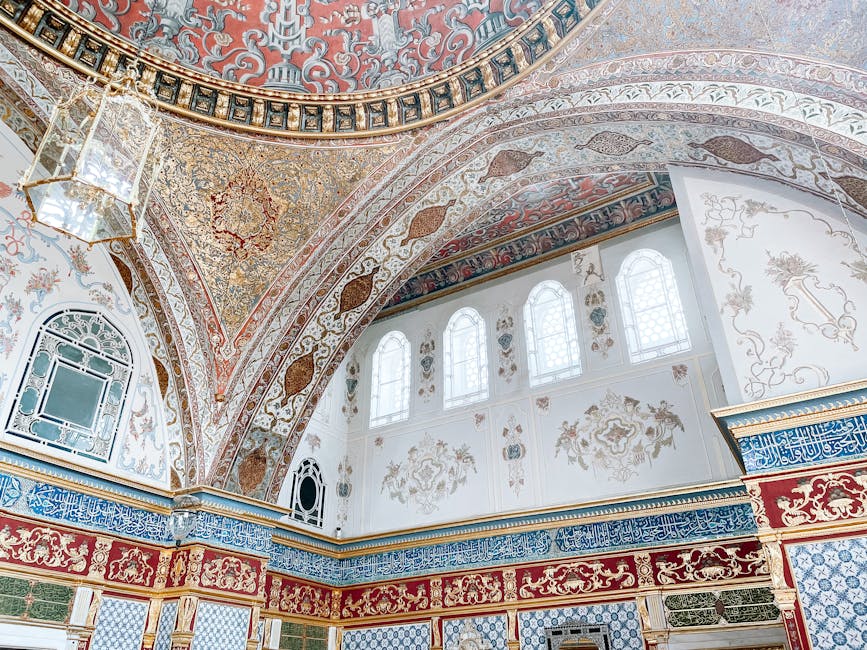
Sultanahmet occupies the ancient acropolis where Byzantium was founded in 660 BCE. Every stone here has witnessed empires: the Romans built the Hippodrome for chariot races, the Byzantines raised Hagia Sophia as the world's largest cathedral for 1,000 years, and the Ottomans surrounded it with imperial mosques, palaces, and the sultan's harem. The name comes from Sultan Ahmed I, who built the Blue Mosque directly facing Hagia Sophia in an architectural face-off.
Today Sultanahmet is almost entirely tourist-focused—locals rarely come here except to work. The concentration of UNESCO sites is unmatched: Hagia Sophia, Blue Mosque, Topkapi Palace, the Basilica Cistern, and the Hippodrome are all within a 10-minute walk. This means crowds, touts, and overpriced restaurants, but the history is undeniable. Come early morning or late afternoon for the best experience.
🏛️ Must-See Attractions


🍽️ Restaurants


🎭 Beyoğlu & Taksim
🚇 Metro: Taksim (M2), Funicular: Kabataş-Taksim (F1)
Istanbul's Modern Heart
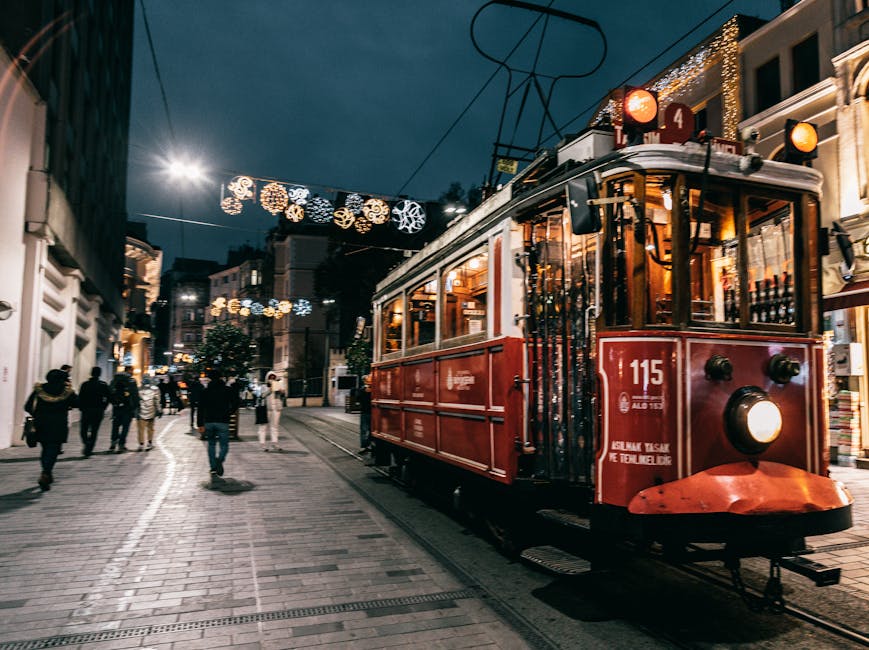
Beyoğlu was the European quarter of Ottoman Istanbul—where foreign embassies, merchants, and minorities lived. Istiklal Avenue (Independence Avenue) was called Grande Rue de Péra and lined with Belle Époque apartments, theaters, and department stores. The neighborhood retains this cosmopolitan DNA: churches next to mosques, Greek tavernas beside Turkish meyhanes, and Art Nouveau facades above modern storefronts.
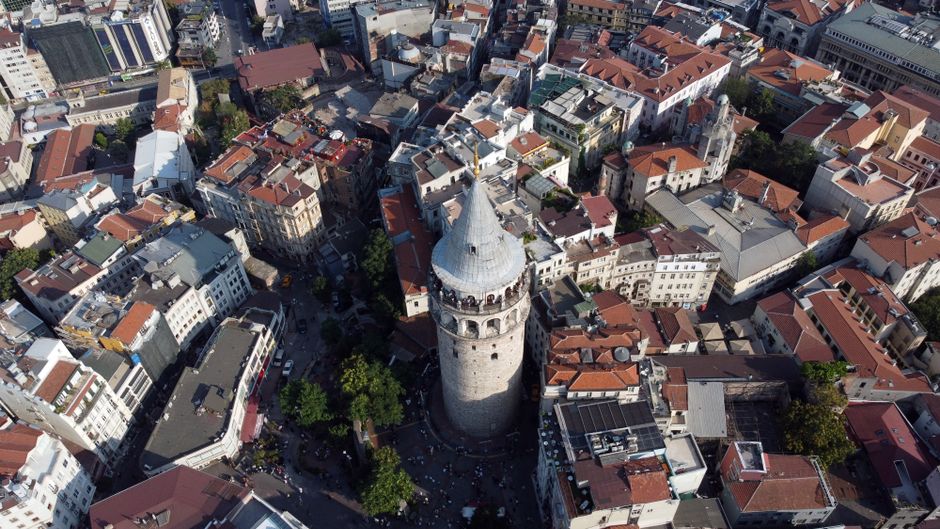
Taksim Square is the symbolic center of modern Turkey—site of protests, celebrations, and the Republic Monument. The area between Taksim and Galata Tower is the nightlife capital of Istanbul: rooftop bars, jazz clubs, meyhanes serving rakı and meze, and LGBTQ-friendly venues around Cihangir. It's grittier and more alive than Sultanahmet, and stays busy until 4am on weekends.
🏛️ Attractions

🍽️ Restaurants & Meyhanes


🚇 Getting Around
🔒 Getting Around - Available in paid tiers
🏨 Where to Stay
🔒 Where to Stay - Available in paid tiers
🍜 Food Guide
🔒 Food Guide - Available in paid tiers
Must-Try Dishes
💡 Dining Tips
🎯 Book Activities in Istanbul
Tours, attractions, experiences & more
Powered by Klook • Best price guaranteed
🏨 Book Your Stay in Istanbul
Find the best hotels, hostels, and apartments
Best price across Booking, Expedia, VRBO & more • Powered by Stay22
📋 Practical Information
🔒 Practical Info - Available in paid tiers🌞 Sunny Travel Guides
The Confidence To Travel / Never Be Lost
© 2026 Sunny Travel Guides. All rights reserved.