Israel
Where Ancient History Meets Modern Innovation
Find restaurants, attractions, hotels, or anything travel-related
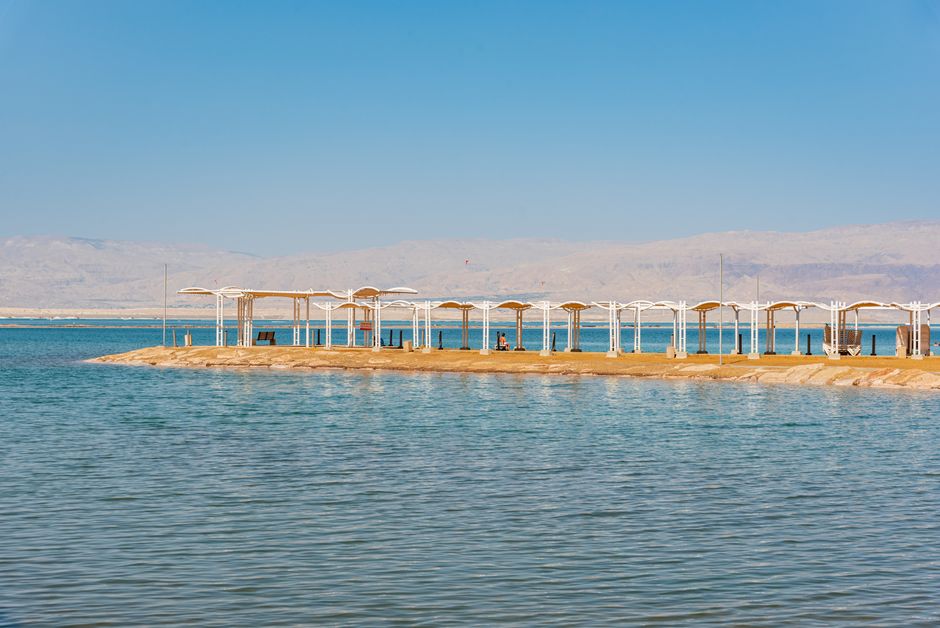
Israel stretches from the Mediterranean to the Jordan Valley, from the Galilee's green hills to the Negev's desert expanse—all within a country smaller than New Jersey. The geography creates remarkable variety: coastal plains, mountain ridges, the Jordan Rift Valley (lowest point on Earth at the Dead Sea), and the arid south. Climate ranges from Mediterranean (mild, wet winters; hot, dry summers) to desert extremes.
Israeli culture defies simple description—it's a nation of immigrants from over 100 countries, each bringing traditions that blend into something new. Jewish heritage provides foundation; Arab citizens add dimension; Russian, Ethiopian, Moroccan, and countless other influences create fusion. The result is intense, informal, argumentative, and warm. Israelis are famously direct; the 'chutzpah' is real but so is the hospitality.
Travelers discover Israel through contrasts—ancient stones and modern architecture, religious devotion and secular hedonism, desert silence and urban energy. Floating in the Dead Sea, walking Jerusalem's Old City, eating through Tel Aviv's markets, hiking desert canyons, or exploring Crusader fortresses creates experiences that engage all senses. The country's complexity requires openness; the rewards justify the effort.
Israeli identity draws from Jewish religious tradition, Zionist ideology, immigrant experiences, and regional reality. The Hebrew language was revived from ancient liturgical use to living speech. Military service is near-universal, shaping social bonds. Innovation culture emerged from necessity; 'making do' (improvisation) is valued. The tension between Israel as Jewish homeland and democratic state creates ongoing debate.
Israelis are informal—first names are standard; dress is casual. Directness that seems rude elsewhere is normal here. Shabbat observance varies; religious areas shut down completely while Tel Aviv stays lively. Dress modestly at religious sites (cover shoulders and knees). Security questions at airports are thorough; answer honestly and patiently. Tipping 10-15% is standard at restaurants.
US, Canadian, UK, EU, and most Western citizens receive visa-free entry for up to 90 days. Entry card replaces passport stamp (useful for travelers visiting Arab countries afterward). Security questioning at entry can be thorough; answer honestly. Some travelers face additional scrutiny based on travel history or background.
Israel is expensive by regional standards—comparable to Western Europe. Tel Aviv is priciest; Jerusalem and elsewhere slightly cheaper. Street food and markets offer value; restaurants are costly. Accommodation ranges widely. Public transport is reasonable; car rental adds flexibility. The weak shekel (2023-2024) improved value for dollar holders.
March-May, September-November
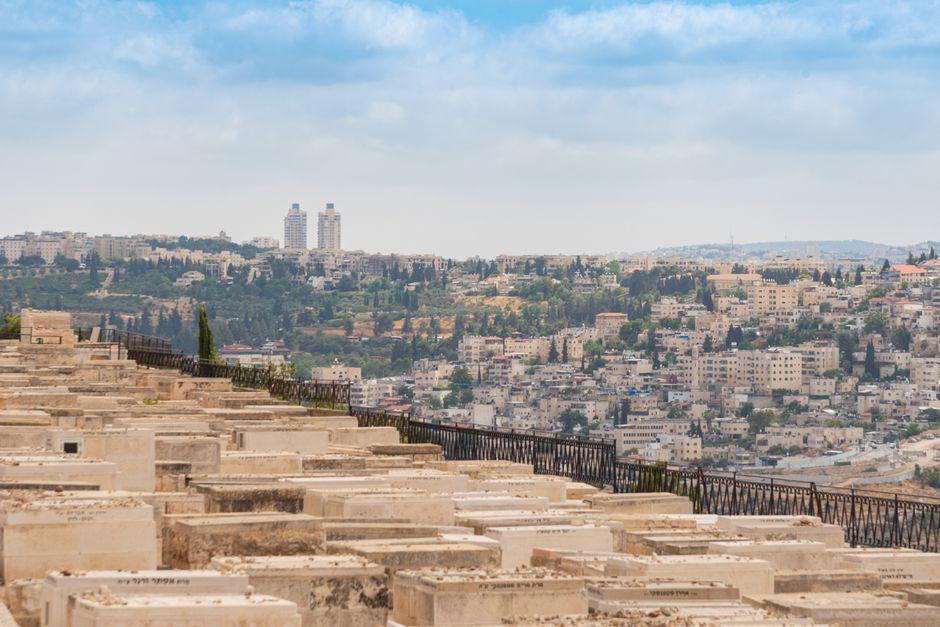
The holy city—sacred to Judaism, Christianity, and Islam, contested for millennia, and intensely meaningful to billions. The Old City's stone streets hold the Western Wall, Church of the Holy Sepulchre, and Dome of the Rock within walking distance. Beyond the ancient walls, modern Jerusalem offers excellent museums, markets, and neighborhoods. The intensity is real; so is the beauty.
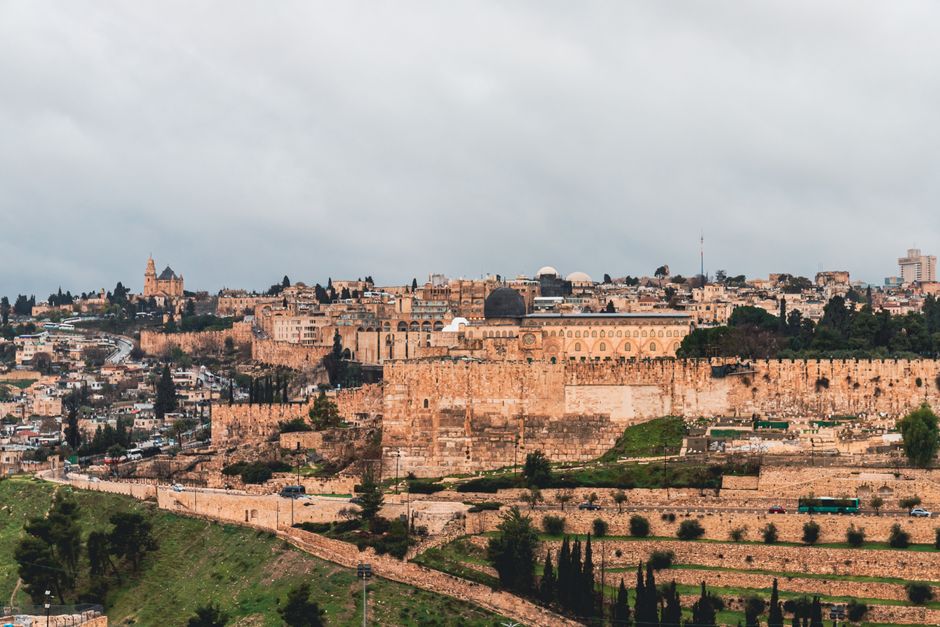
Judaism's holiest site—the remaining retaining wall of the Second Temple mount. Prayers are inserted into stone cracks; Bar Mitzvahs celebrate at dawn. The Wall is accessible 24/7; security screening required. Men and women pray in separate sections. Modest dress required.
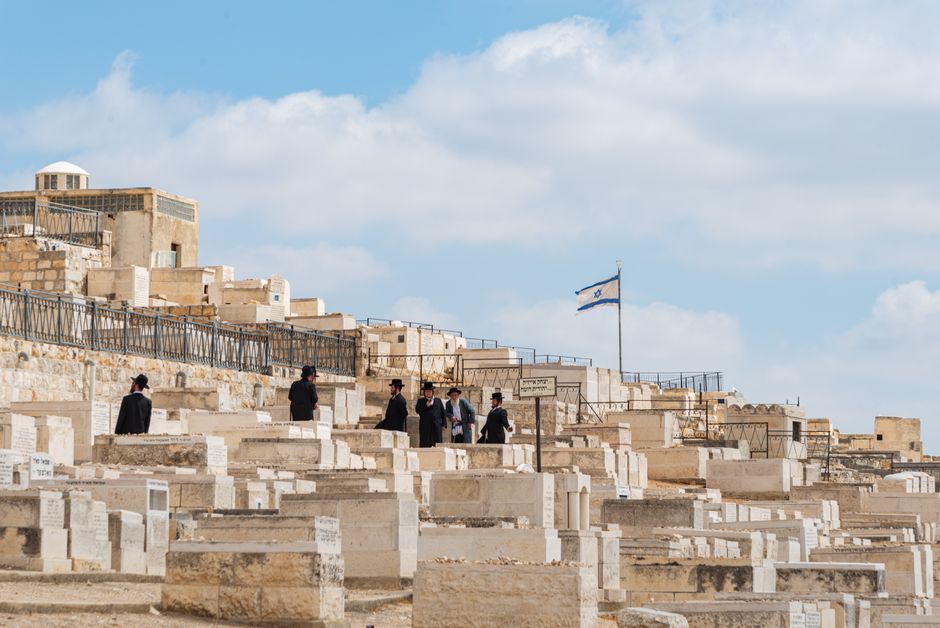
Christianity's holiest site—built over the locations of Jesus's crucifixion and burial. Six denominations share (sometimes contentiously) the church. The Stone of Anointing, Golgotha, and the Edicule (tomb) are focal points. Crowds can be intense; early morning offers relative peace.
🔓 2 more places in Premium
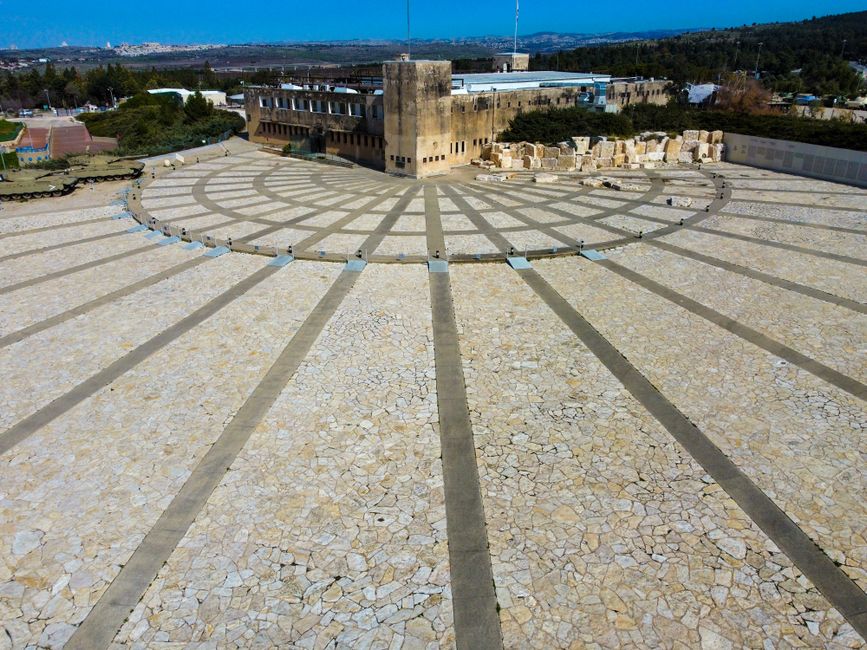
Israel's Holocaust memorial and museum—comprehensive documentation of Nazi genocide and remembrance of the six million. The Children's Memorial and Hall of Names are deeply affecting. Allow 3-4 hours minimum; emotionally intense. Free admission.
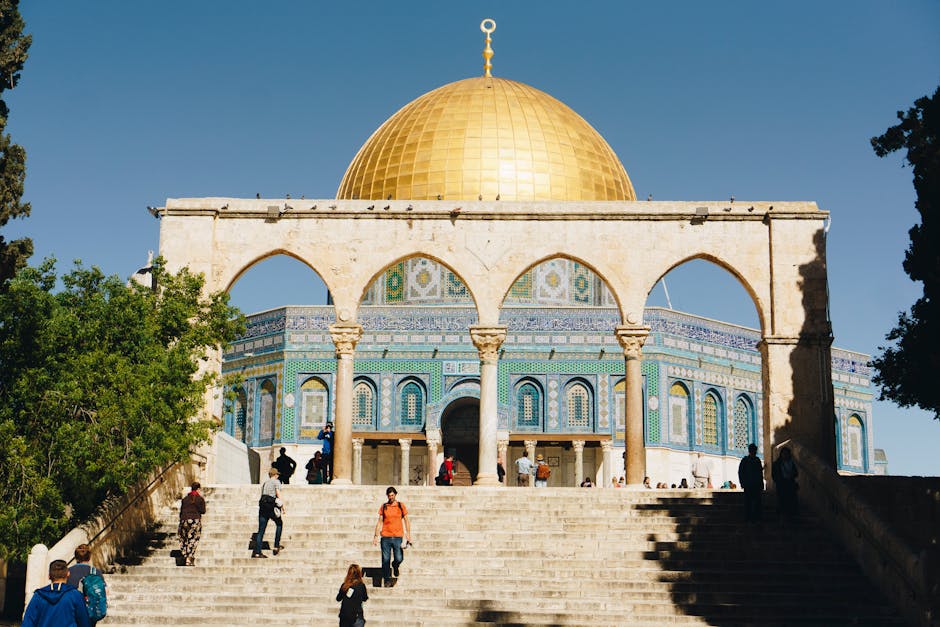
Israel's national museum—the Shrine of the Book houses Dead Sea Scrolls; the outdoor model shows Second Temple Jerusalem. Archaeology, art, and Judaica collections are world-class. The sculpture garden offers city views. Allow half day.
🔓 1 more places in Premium
Get all 6 cities with interactive neighborhood guides, insider tips, and full practical information
Upgrade Now →The holy city and surrounding hills—religious sites, Dead Sea access, and desert landscapes. The political and spiritual center.
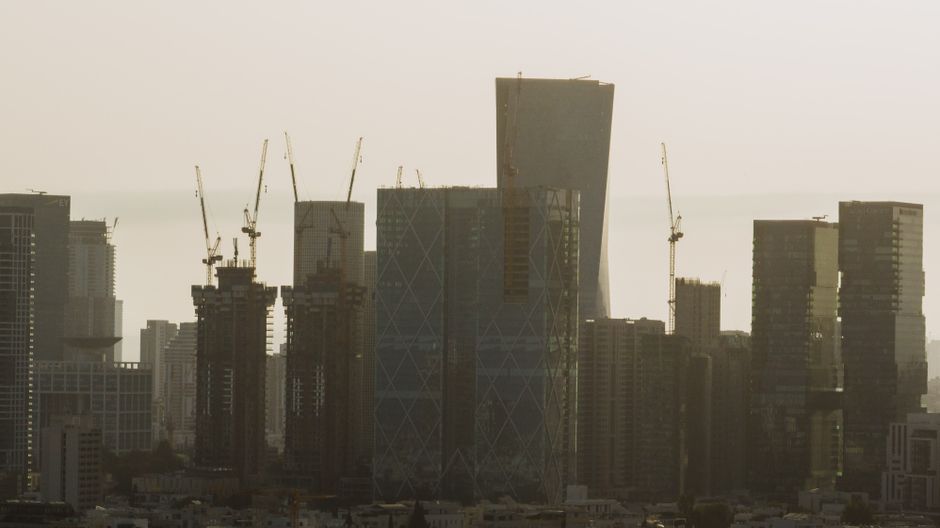
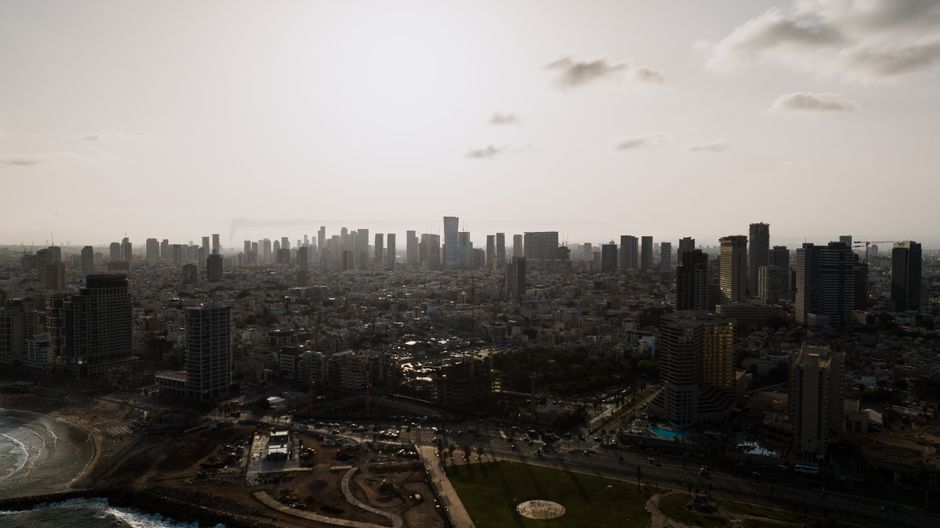
View on MapMediterranean beaches, startup culture, and modern Israel. The economic and cultural center with liberal lifestyle.
View on MapGreen hills, Sea of Galilee, and biblical sites. Christian pilgrimage, Jewish mysticism, and diverse communities.
View on MapThe southern desert—craters, Nabatean ruins, and Eilat's Red Sea. Adventure, stargazing, and empty space.
View on MapIsraeli cuisine fuses Middle Eastern traditions with global immigrant influences—Moroccan, Iraqi, Yemeni, Russian, Ethiopian, and more. Hummus and falafel are foundational; shakshuka became a global export. Fresh vegetables, olive oil, and herbs define the style. Kosher laws affect many restaurants (no pork or shellfish, no mixing meat and dairy). Tel Aviv's food scene rivals world capitals.
🔒 Transportation - Available in paid tiers
Everything you need for Israel - tours, transfers, SIM cards & more

Explore Israel with guided tours and unique experiences. From day trips to multi-day adventures.

Skip-the-line tickets to top attractions in Israel. Book ahead and walk right in.

Airport transfers, SIM cards, rail passes - everything you need for smooth travels.
Find the best hotels, hostels, and apartments
Best price across Booking, Expedia, VRBO & more • Powered by Stay22
Health: 🔒 Health - Available in paid tiers
Safety: 🔒 Safety - Available in paid tiers
🔒 Internet - Available in paid tiers
🔒 Money - Available in paid tiers