🇩🇪 Welcome to Hamburg
Hamburg is Germany's second-largest city but arguably its coolest—a maritime metropolis where the Elbe River meets the North Sea, where red-brick warehouses have become UNESCO landmarks, and where the Beatles honed their sound before conquering the world. This is Germany's wealthiest city per capita, yet it wears prosperity casually: in excellent restaurants rather than flashy cars, in world-class museums rather than ostentatious architecture. The harbor shaped everything—Hamburg was the Hanseatic League's powerhouse, later the gateway for millions emigrating to America, and today Europe's third-largest port. That openness to the world created a character distinct from the rest of Germany: worldly, tolerant, understated, a bit British in its reserve. The Reeperbahn still pulses with nightlife. The Elbphilharmonie concert hall has redefined architectural ambition. The fish market operates as it has for centuries. Hamburg rewards those who look beyond Berlin's hype.
Understanding Hamburg
Hamburg's identity was forged by water and trade. As a Free Hanseatic City, it maintained independence for centuries—never part of Prussia, always looking outward to the sea rather than inward to Germany. This created a distinct character: Hamburgers are reserved (they say 'cool'), practical, and quietly proud. Wealth is displayed through quality rather than ostentation—excellent food, good design, understated elegance. The harbor remains the city's soul: container ships still pass through the center, dock workers still shape neighborhoods, and fish markets still operate at dawn. The Beatles connection is real—they played Hamburg's clubs in 1960-62, developing their stage presence before Liverpool noticed them. Today Hamburg leads Germany's media industry, hosts one of Europe's finest concert halls, and maintains the country's most diverse food scene. Learn 'Moin' (universal greeting, any time of day) and accept that Hamburg's weather is terrible—gray, rainy, windy—but Hamburgers don't complain. They just dress properly and get on with it.
⚡ Essential Hamburg Tips
• The Hamburg Card offers unlimited public transport plus museum discounts. Get the 3-day version (€27) for best value—the city is spread out and you'll use the U-Bahn and S-Bahn constantly.
• The Elbphilharmonie Plaza is free and offers stunning harbor views. Visit at sunset. Concert tickets sell months ahead, but the plaza is always accessible.
• Sunday Fish Market (Fischmarkt) runs 5am-9:30am—arrive by 7am for the full experience. The banana vendors are legendary entertainers. Breakfast at the Fischauktionshalle afterward.
🔍 Search Hamburg
🗺 Interactive Hamburg Map
🧭 Quick Navigation
🗺️ Hamburg Neighborhoods
Hamburg sprawls across the Elbe, with distinct neighborhoods worth exploring. The harbor and HafenCity dominate the south; the Altstadt holds historic sites; St. Pauli brings nightlife and the famous Reeperbahn. Schanzenviertel is hip and alternative; Ottensen is family-friendly creative. The Alster lakes define the elegant north. Public transport connects everything efficiently.

Best For: Architecture, maritime history, concerts

Best For: Shopping, history, architecture
⚓ HafenCity & Speicherstadt
🚇 U-Bahn: Baumwall (U3), Überseequartier (U4) • Also walkable from Landungsbrücken
From Warehouses to World Heritage
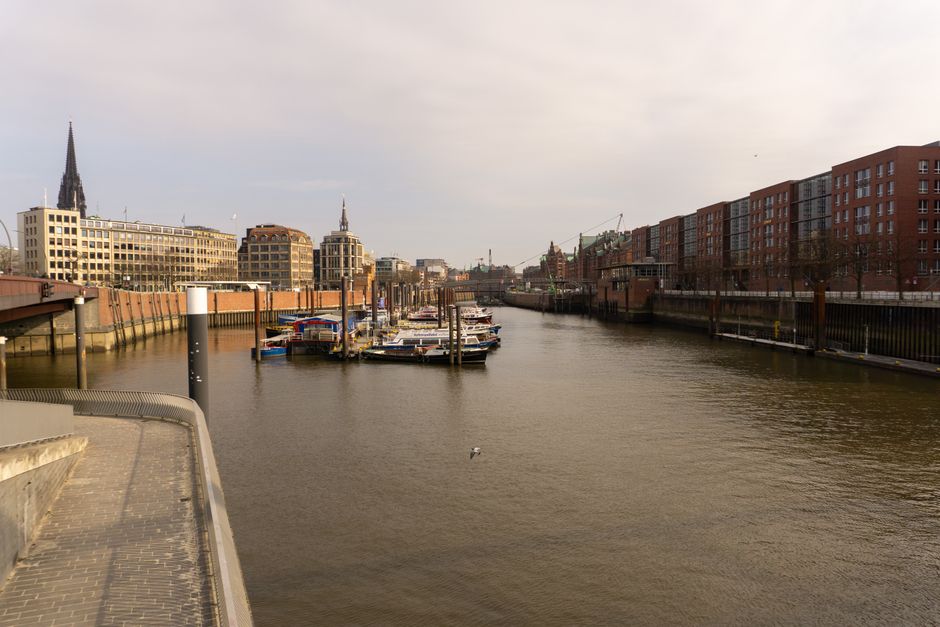
Speicherstadt is the world's largest warehouse district built on timber-pile foundations—a UNESCO World Heritage site since 2015. Built 1885-1927, these red-brick neo-Gothic warehouses stored coffee, tea, tobacco, and oriental carpets. The canals (Fleete) allowed barges to load directly from ships. Today the warehouses house museums, offices, and the astounding Miniatur Wunderland.
HafenCity beyond is Europe's largest inner-city development project—transforming 157 hectares of former harbor into a new urban district. The Elbphilharmonie concert hall, opened 2017, crowns the development: a glass wave atop an old warehouse, with acoustics ranked among the world's best. The contrast between historic brick and contemporary glass defines Hamburg's approach: honor the past, embrace the future.
🏛️ Landmarks & Attractions



🍽️ Restaurants


🏛️ Altstadt (Old Town)
🚇 U-Bahn: Rathaus (U3), Jungfernstieg (U1/U2/U4) • S-Bahn: Jungfernstieg (all lines)
The Merchant City
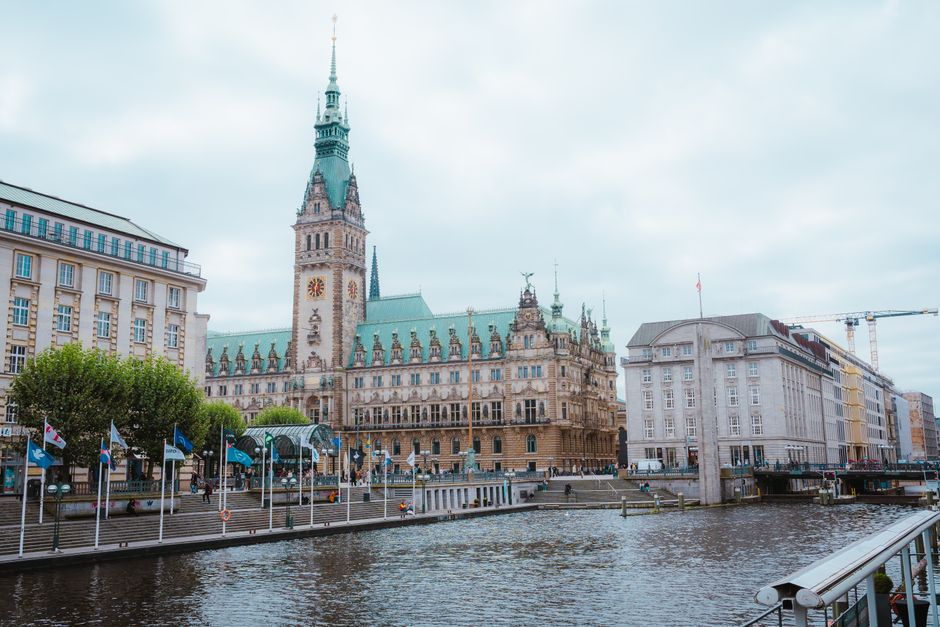
Hamburg's Altstadt was largely destroyed in the Great Fire of 1842 and again in WWII bombing. What remains and what was rebuilt reflects Hamburg's commercial soul: the magnificent Rathaus (town hall), the trading arcades, the merchant houses of Deichstraße. This was never a royal city—Hamburg was ruled by merchants, and they built to impress trading partners, not monarchs.
Today the Altstadt mixes shopping (Mönckebergstraße), civic pride (Rathaus), and remnants of the past (St. Nikolai ruins, Deichstraße). The Inner Alster lake forms its northern boundary—an elegant waterfront where locals promenade. The arcades (Passagen) shelter shoppers from Hamburg's infamous weather while maintaining architectural dignity.
🏛️ Landmarks


🛍️ Shopping


🚇 Getting Around
🔒 Getting Around - Available in paid tiers
🏨 Where to Stay
🔒 Where to Stay - Available in paid tiers
🍜 Food Guide
🔒 Food Guide - Available in paid tiers
Must-Try Dishes
💡 Dining Tips
🎯 Book Activities in Hamburg
Tours, attractions, experiences & more
Powered by Klook • Best price guaranteed
🏨 Book Your Stay in Hamburg
Find the best hotels, hostels, and apartments
Best price across Booking, Expedia, VRBO & more • Powered by Stay22
📋 Practical Information
🔒 Practical Info - Available in paid tiers🌞 Sunny Travel Guides
The Confidence To Travel / Never Be Lost
© 2026 Sunny Travel Guides. All rights reserved.