Grenada
The Spice Isle of the Caribbean
Find restaurants, attractions, hotels, or anything travel-related
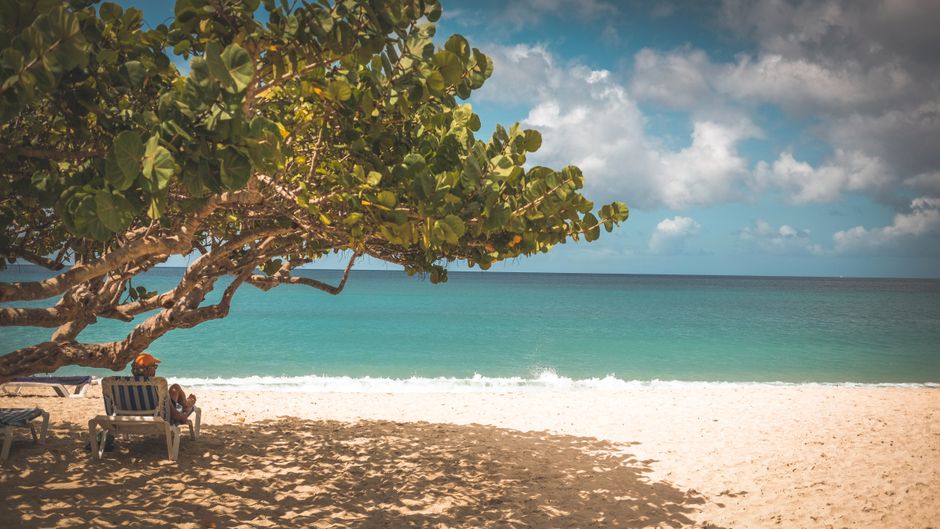
Grenada rises dramatically from the sea—volcanic peaks clothed in rainforest descend to white sand beaches and coral reefs. The main island measures just 21 by 12 miles, yet packs remarkable diversity. Grand Etang crater lake sits in cloud forest; waterfalls cascade through spice plantations; and the coastline alternates between secluded coves and palm-fringed beaches. Sister islands Carriacou and Petite Martinique add boat-building traditions and even quieter escapes.
Grenadian culture blends African, French, British, and Caribbean influences into something distinctly its own. The island changed hands between France and Britain multiple times, leaving place names, architecture, and cuisine reflecting both. African traditions survived through music, dance, and spirituality. The 1983 US intervention and Hurricane Ivan in 2004 tested resilience; Grenadians rebuilt with characteristic determination and warmth.
Travelers experience Grenada through its sensory richness—the aroma of nutmeg processing stations, taste of cocoa tea at plantation tours, sight of St. George's pastel buildings reflected in the Carenage harbor. Hiking to waterfalls, snorkeling underwater sculptures, sailing to Carriacou, and simply relaxing on Grand Anse Beach fill unhurried days. The genuine friendliness of Grenadians—not performed for tourists but culturally authentic—makes every interaction memorable.
Grenadian identity centers on the spice trade, resilience through adversity, and Caribbean joie de vivre. Nutmeg appears on the flag; the nickname 'Spice Isle' reflects economic and cultural identity. Community events—fish fries, sailing regattas, Carnival—reinforce social bonds. The blend of African, European, and Caribbean heritage creates a distinct culture.
Greet people before asking questions or making requests—jumping straight to business is considered rude. 'Good morning/afternoon/evening' expected everywhere. Dress modestly in town; beachwear belongs at the beach. Tipping 10-15% is appreciated but not always expected. Accept hospitality graciously; refusing offers can offend. Patience is essential—island time is real.
US, Canadian, UK, and EU citizens receive visa-free entry for up to 90 days. Valid passport required; return ticket may be requested. Immigration is straightforward; the single airport serves all international flights. Departure tax is included in airfare.
Grenada is moderately expensive by Caribbean standards—cheaper than the French islands but pricier than Dominican Republic. Eating local keeps costs down; tourist restaurants charge premium prices. Accommodation ranges widely from budget guesthouses to luxury resorts. Car rental is reasonable; taxis add up quickly.
December-April
One of the Caribbean's most picturesque capitals—pastel Georgian buildings climb hillsides above a horseshoe-shaped harbor. St. George's combines French and British colonial architecture with Caribbean vibrancy. The Carenage waterfront, spice markets, and hilltop forts reward exploration on foot.
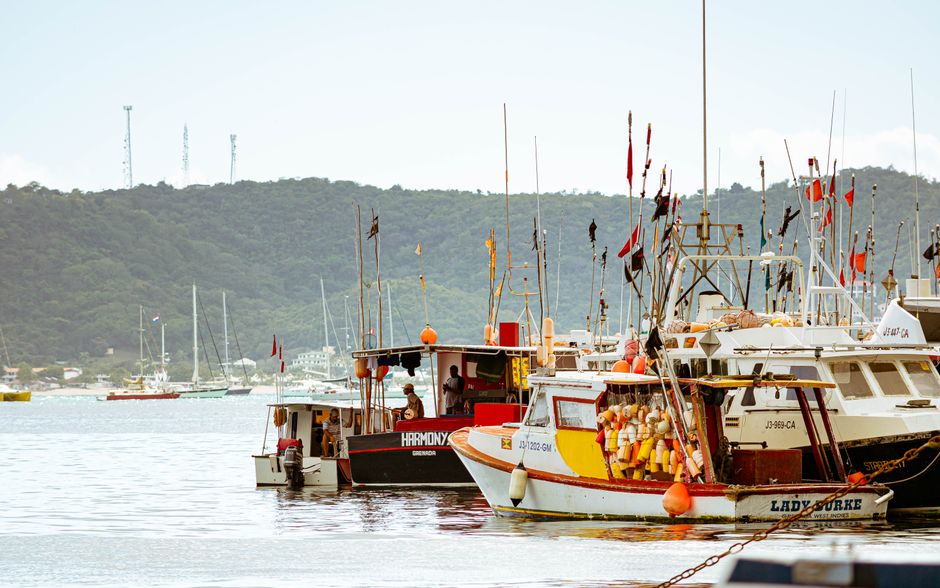
The inner harbor where colorful fishing boats and yachts moor beneath Georgian warehouses. Walking the waterfront reveals Grenada's maritime heritage. Restaurants and bars line the water; the morning fish market adds local color. The heart of St. George's.

French-built fort from 1705 offering panoramic harbor views. Site of the 1983 coup that led to US intervention; bullet holes remain in some walls. The oldest fort on the island, now home to police headquarters. Free entry; respectful behavior expected.
🔓 2 more places in Premium

Caribbean fine dining overlooking the Carenage—crabback (stuffed crab shell), lambi, and local fish prepared with international technique. The sunset views from the upstairs terrace complement excellent food. Reservations recommended.

No-frills local lunch spot serving authentic Grenadian dishes—oil down on Saturdays, stewed chicken, fish, and rice daily. Plastic chairs, big portions, and genuine flavors. Where locals eat; quality over atmosphere.
🔓 1 more places in Premium
Get all 5 cities with interactive neighborhood guides, insider tips, and full practical information
Upgrade Now →St. George's, Grand Anse, and the main tourist infrastructure. Most visitors base themselves here for beach access, restaurants, and convenient exploration of the entire island.
View on MapRainforest interior, spice plantations, and fishing villages. This agricultural heartland offers authentic experiences, waterfalls, and the weekly Fish Friday in Gouyave.
View on MapQuieter Atlantic coast with rougher seas and fewer beaches. La Sagesse nature reserve and authentic villages offer off-the-beaten-path exploration.
View on MapSister island accessible by ferry or small plane. Traditional boat-building, pristine beaches, and Caribbean authenticity for those seeking true escape.
View on MapGrenadian cuisine reflects the island's spice production—nutmeg, mace, cinnamon, and cloves flavor everything from drinks to stews. African, French, and British influences combine in dishes like oil down (the national dish), callaloo soup, and lambi (conch). Fresh seafood dominates menus. Rum punch accompanies most meals; cocoa tea is a traditional breakfast drink.
🔒 Transportation - Available in paid tiers
Everything you need for Grenada - tours, transfers, SIM cards & more

Explore Grenada with guided tours and unique experiences. From day trips to multi-day adventures.

Skip-the-line tickets to top attractions in Grenada. Book ahead and walk right in.

Airport transfers, SIM cards, rail passes - everything you need for smooth travels.
Find the best hotels, hostels, and apartments
Best price across Booking, Expedia, VRBO & more • Powered by Stay22
Health: 🔒 Health - Available in paid tiers
Safety: 🔒 Safety - Available in paid tiers
🔒 Internet - Available in paid tiers
🔒 Money - Available in paid tiers