Germany
Where History, Culture, and Innovation Converge
Find restaurants, attractions, hotels, or anything travel-related
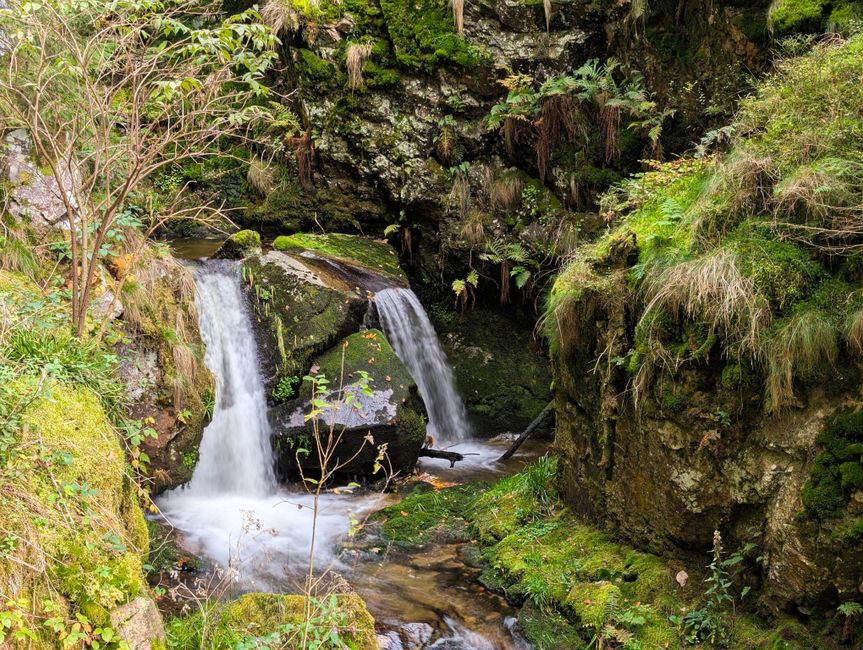
Germany stretches from the North Sea and Baltic coasts to the Alps, encompassing diverse landscapes: the Black Forest's dark pines, the Rhine's castle-lined gorges, Bavaria's mountain lakes, and the flat agricultural plains of the north. Sixteen federal states maintain distinct identities—Bavaria feels different from Hamburg feels different from Berlin. This regional diversity creates a country of many characters unified by language, efficiency, and shared (often difficult) history.
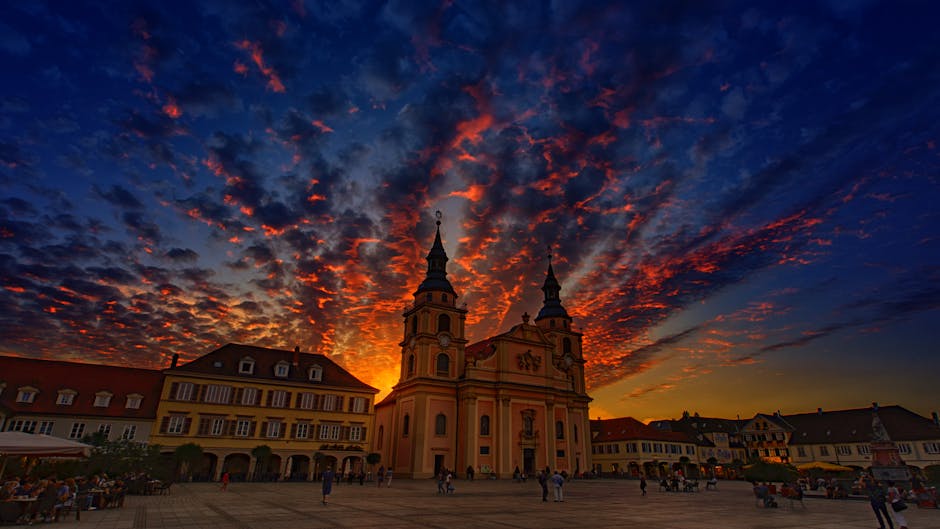
German history weighs heavily but is confronted honestly. Medieval prosperity built grand cathedrals and trade cities; Reformation struggles shaped Protestant Europe; the 20th century brought catastrophe, division, and remarkable reunification. Today's Germany leads Europe economically and increasingly politically. The culture balances respect for rules with vibrant creativity, environmental consciousness with industrial might, and reserve with genuine hospitality.
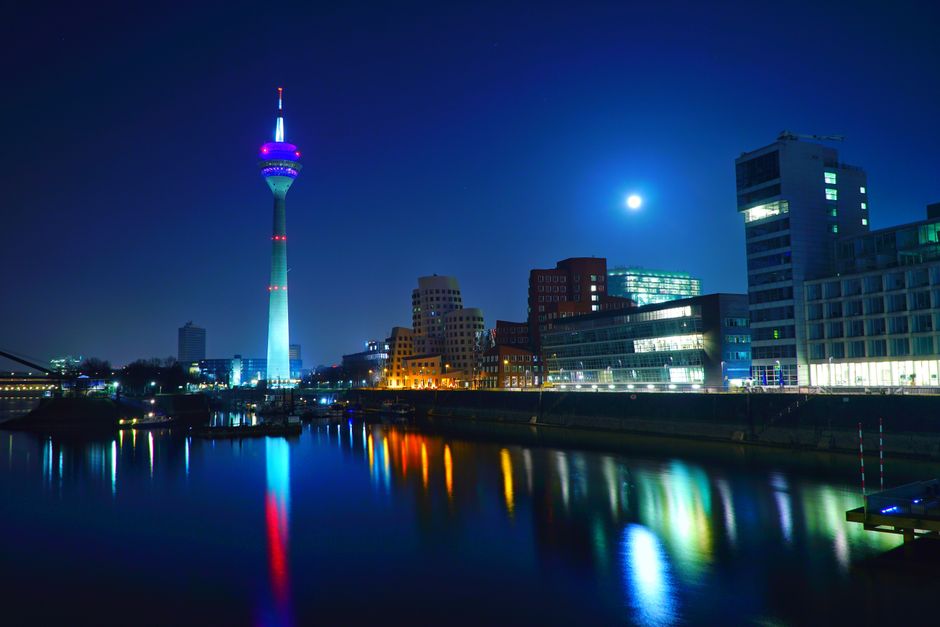
Travelers discover Germany through its contrasts—beer gardens and Michelin stars, techno clubs and baroque palaces, autobahn speed and Black Forest stillness. Exploring Berlin's reinvention, floating down the Rhine past castle after castle, hiking Alpine trails, or losing time in a cozy Weinstube creates memories beyond the guidebook. The German dedication to quality—whether in engineering, baking, or museum curation—elevates every experience.
German identity draws from regional traditions, philosophical heritage (Kant, Hegel, Marx), artistic achievement (Bach, Beethoven, Goethe), and engineering excellence. The concept of 'Heimat' (homeland) reflects deep attachment to place. Verein (club) culture creates community through sports, hobbies, and traditions. The confrontation with Nazi history (Vergangenheitsbewältigung) shapes modern German responsibility.
Punctuality is essential—arriving late is disrespectful. Use formal 'Sie' until invited to use 'du.' Greet with firm handshake and eye contact. Don't jaywalk or cycle in pedestrian zones. Quiet hours (typically 1-3pm and 10pm-7am) are legally enforced in residential areas. Tipping 5-10% is customary. Toast with eye contact before drinking.
Schengen Area member—US, Canadian, UK, and most Western citizens receive visa-free entry for 90 days within 180-day period. Valid passport required (no minimum validity rule for US citizens). Registration with local authorities required for stays over 3 months. EU/EEA citizens have freedom of movement.
Germany offers moderate value for Western Europe—cheaper than Scandinavia or Switzerland, pricier than Eastern Europe. Excellent public transport reduces costs; supermarkets and bakeries provide budget meals. Mid-range is very comfortable. Regional price differences significant—Munich is expensive, eastern cities more affordable.
May-September, December
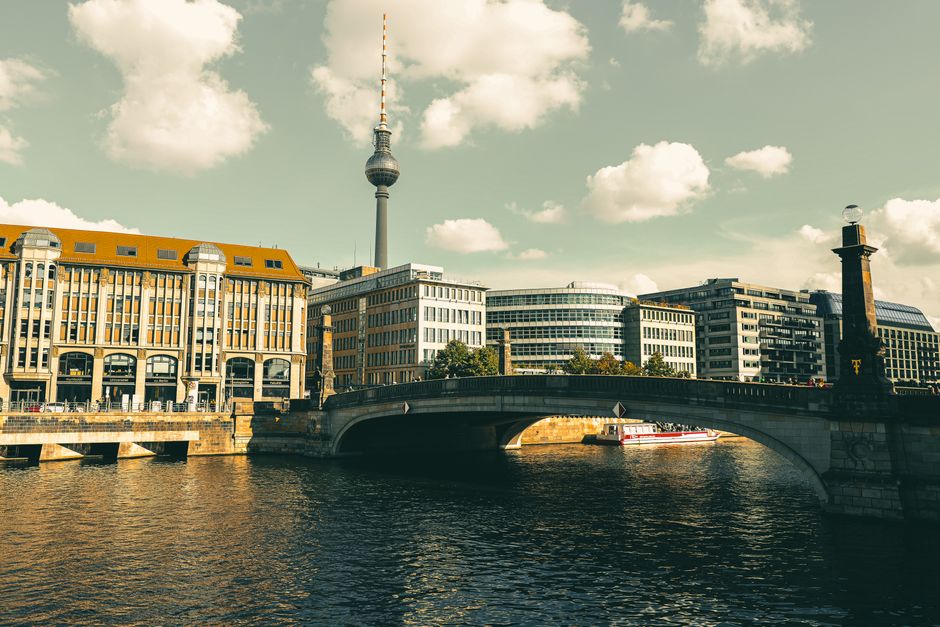
Germany's capital reinvents itself constantly—from Prussian grandeur through Nazi horror and Cold War division to unified creative capital. Berlin is cheaper, grittier, and more experimental than other German cities. The nightlife is legendary; the history is inescapable; the art scene is thriving. Berlin welcomes misfits, artists, and seekers.
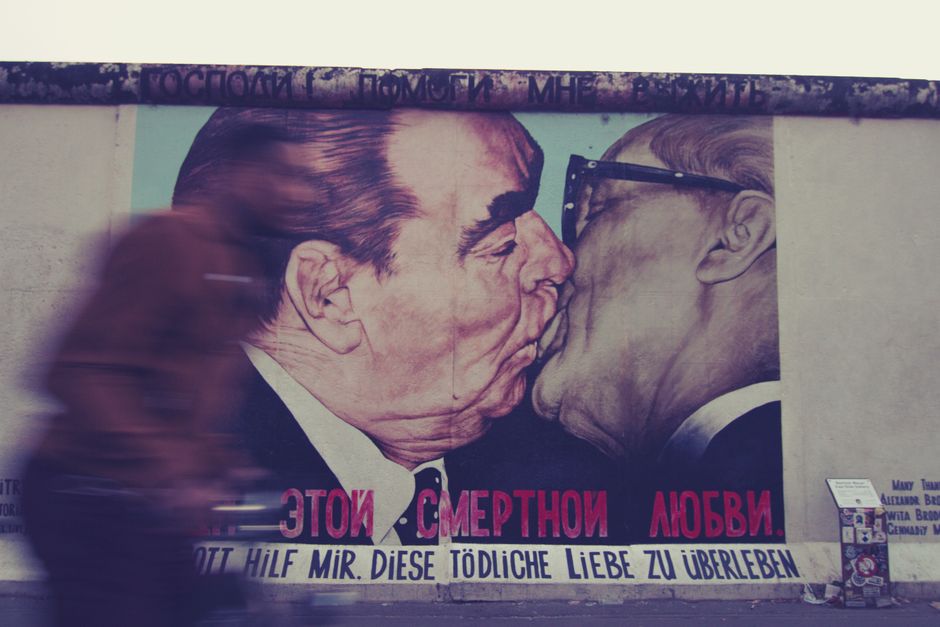
The longest remaining stretch of the Berlin Wall—1.3km covered with murals painted in 1990 celebrating freedom. The 'Fraternal Kiss' (Brezhnev and Honecker) is iconic. Outdoor gallery along the Spree; free to walk anytime. Some deterioration but essential viewing.

The famous crossing point between East and West—the guardhouse replica and museum mark the spot of Cold War confrontations. The area is touristy (costume soldiers for photos) but historically significant. The museum tells escape stories.
🔓 2 more places in Premium

UNESCO World Heritage complex of five museums—the Pergamon (ancient civilizations), Neues (Egyptian including Nefertiti bust), Alte Nationalgalerie (19th century), Bode (Byzantine), and Altes (classical antiquity). One day is insufficient; prioritize the Pergamon and Neues.

Daniel Libeskind's stunning architecture houses German-Jewish history from medieval times to present. The building itself—zinc-clad, angular, disorienting—is the primary exhibit. The voids and axes convey meaning beyond words.
🔓 1 more places in Premium
Get all 6 cities with interactive neighborhood guides, insider tips, and full practical information
Upgrade Now →The capital and surrounding lakes and forests. History, culture, nightlife, and easy escapes to Potsdam's palaces and Brandenburg's nature.
View on MapGermany's largest state—Alps, castles, Munich, and traditional culture. The most stereotypically 'German' region with distinct Catholic, conservative identity.
View on MapRhine and Mosel wine regions, Cologne's cathedral, and industrial heritage in the Ruhr. Castle-lined rivers and world-class Riesling.
View on MapHamburg, Bremen, and the North Sea/Baltic coasts. Maritime heritage, Hanseatic cities, and flat landscapes. Distinct Protestant culture.
View on MapGerman cuisine varies regionally—Bavarian is hearty (pork, dumplings), northern features fish and potatoes, southwestern shows French influence, and eastern dishes reflect Slavic neighbors. The bakery tradition is extraordinary—bread and pastry quality is world-class. Beer culture is legendary; wine regions produce excellent Riesling. The new German cuisine incorporates international influences while honoring tradition.
🔒 Transportation - Available in paid tiers
Everything you need for Germany - tours, transfers, SIM cards & more

Explore Germany with guided tours and unique experiences. From day trips to multi-day adventures.

Skip-the-line tickets to top attractions in Germany. Book ahead and walk right in.

Airport transfers, SIM cards, rail passes - everything you need for smooth travels.
Find the best hotels, hostels, and apartments
Best price across Booking, Expedia, VRBO & more • Powered by Stay22
Health: 🔒 Health - Available in paid tiers
Safety: 🔒 Safety - Available in paid tiers
🔒 Internet - Available in paid tiers
🔒 Money - Available in paid tiers