Ethiopia
Cradle of Humanity, Land of Origins
Find restaurants, attractions, hotels, or anything travel-related
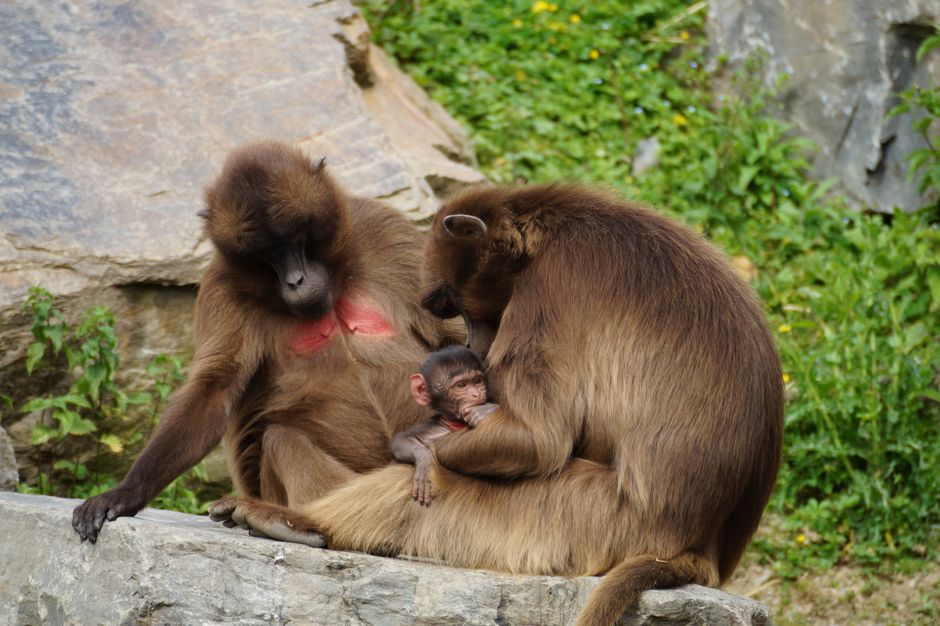
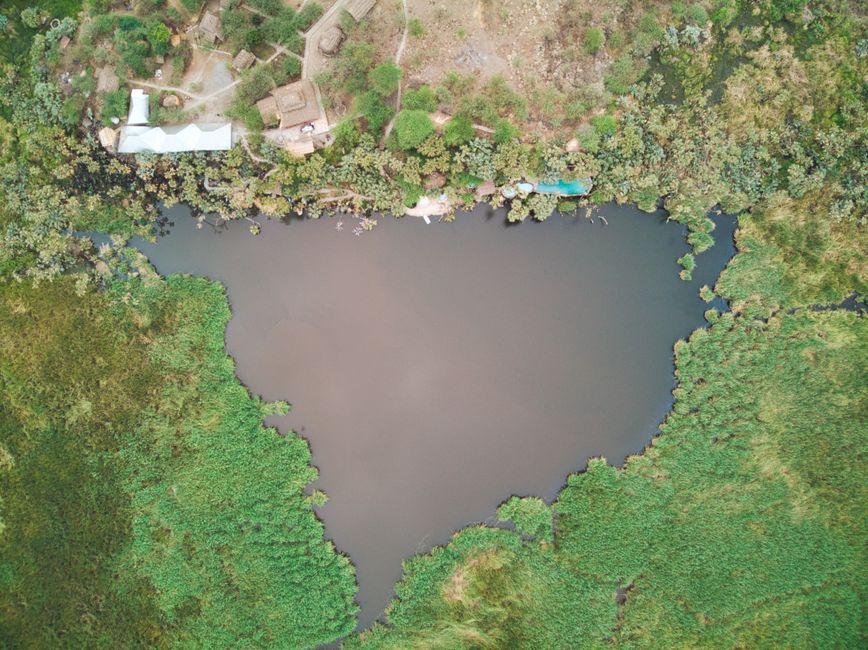
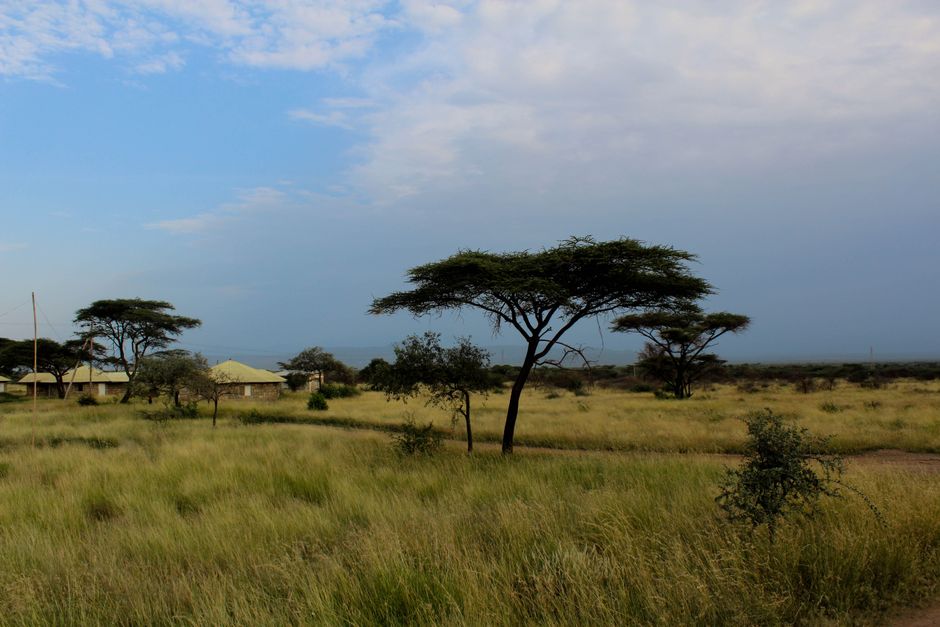
Ethiopia's landscapes are staggeringly diverse. The Simien Mountains rise to over 4,500 meters with dramatic escarpments home to endemic gelada baboons and Ethiopian wolves. The Danakil Depression drops to 125 meters below sea level — one of the hottest, lowest, and most alien landscapes on Earth with acid-green sulfur pools and active lava lakes. The Rift Valley cuts through the center with crater lakes. The Blue Nile Falls thunder through highland gorges. The Bale Mountains shelter the last populations of the rare Ethiopian wolf.
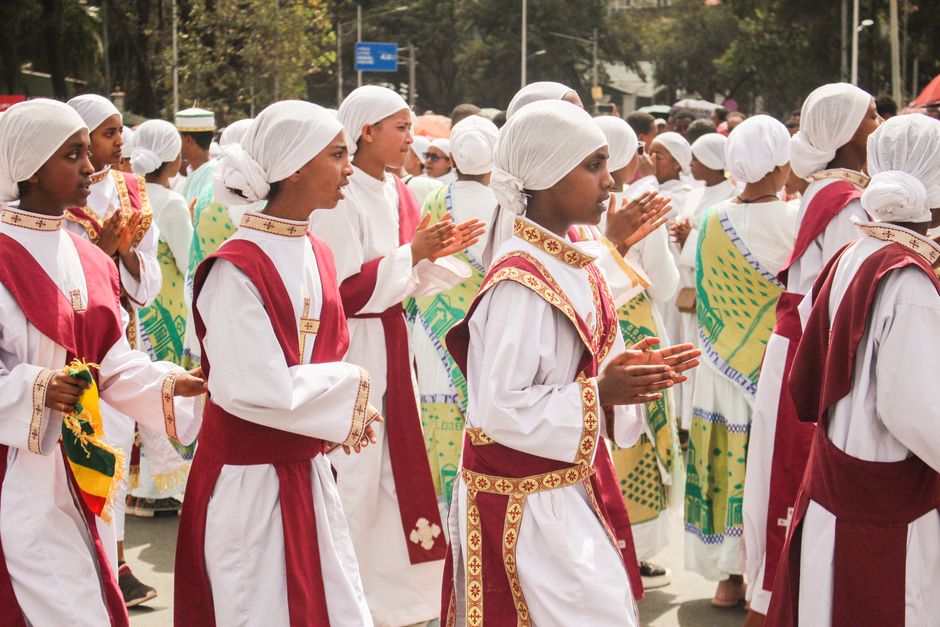
Ethiopian culture is ancient and proudly independent. The Ethiopian Orthodox Church dates to the 4th century — one of the oldest Christian traditions on Earth. Islamic heritage is equally deep, with Harar considered Islam's fourth-holiest city. The unique Ge'ez script has been in continuous use for over 2,000 years. Ethiopian time runs on a 12-hour clock starting at dawn. The calendar has 13 months. Coffee was discovered here, and the coffee ceremony remains a sacred daily ritual that embodies Ethiopian hospitality and community.
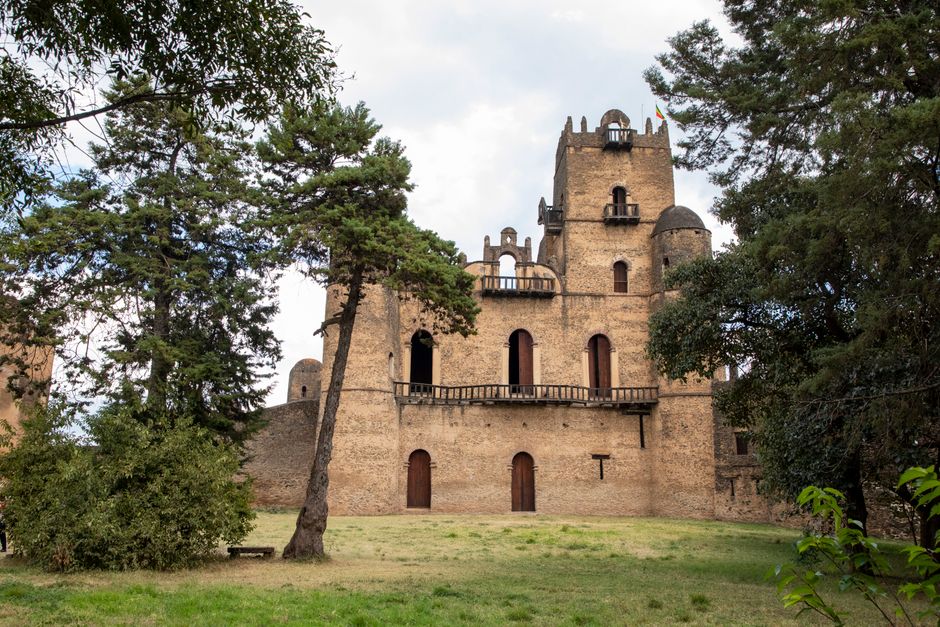
Travelers in Ethiopia explore underground churches in Lalibela carved from single blocks of stone, trek with gelada baboons in the Simien Mountains, witness the Timkat festival where the Ark of the Covenant replicas are paraded through streets, visit tribal communities in the Omo Valley, stand at the edge of an active lava lake at Erta Ale, and participate in coffee ceremonies that transform a simple drink into a spiritual experience. History lovers explore Axumite stelae fields, medieval castles, and the claimed resting place of the Ark of the Covenant.
Ethiopian identity rests on ancient faith, independence from colonization, and the coffee ceremony. The concept of 'habesha' — shared highland culture — binds diverse ethnic groups, while each community maintains distinct traditions, languages, and customs.
Greet with a handshake — close friends may touch shoulders three times. Remove shoes when entering homes and churches. Eat with the right hand from a shared injera platter — feeding another person ('gursha') is a sign of deep affection. Dress modestly at churches and mosques. Always accept offered coffee — declining is considered rude. Friday and Wednesday are fasting days for Orthodox Christians.
Most nationalities can obtain an e-visa online before travel ($82 for 30 days, $102 for 90 days) through evisa.gov.et. Visa on arrival is available at Addis Ababa Bole Airport for many nationalities but e-visa is strongly recommended to avoid queues. Passports must be valid for 6 months.
Ethiopia is very affordable by international standards. Budget travelers can eat well for under $5 per day on local food. Mid-range hotels cost $30-60. The main expenses are internal flights, guide fees (mandatory at historical sites), and organized tours to remote areas like the Danakil and Omo Valley which require 4WD vehicles and logistics.
October-March
Africa's diplomatic capital and Ethiopia's sprawling, energetic heart. Sitting at 2,400 meters elevation, Addis is a city of contrasts — ancient churches beside modern towers, traditional coffee ceremonies in the shadow of the African Union headquarters. The mercato (Africa's largest open-air market), the National Museum housing Lucy, and a booming restaurant scene make Addis worth more than a transit stop.
Home to the fossilized remains of 'Lucy' (Dinkinesh in Amharic), the 3.2-million-year-old hominid skeleton that rewrote human evolution. The museum traces Ethiopian history from prehistory through the imperial era. Lucy alone makes this a must-visit — standing before our distant ancestor is profoundly moving.

Ethiopia's most important modern church, where Emperor Haile Selassie and Empress Menen are buried. Stunning stained glass, intricate murals, and the graves of resistance fighters who opposed the Italian occupation. A powerful symbol of Ethiopian faith and independence.
🔓 1 more places in Premium

A cultural restaurant offering traditional food with live music and dancing — an entertaining introduction to Ethiopian cuisine and culture. The injera platter with mixed wots is excellent, and the azmari (traditional musicians) perform nightly. Tourist-oriented but genuinely enjoyable.

Where Addis locals go for outstanding traditional food without the tourist show. The kitfo is exceptional, the doro wot is rich and complex, and the fasting food platters showcase Ethiopia's remarkable vegetarian cuisine. Multiple locations — the original is best.
🔓 1 more places in Premium
Get all 5 cities with interactive neighborhood guides, insider tips, and full practical information
Upgrade Now →Ethiopia's crown jewels — Lalibela's rock churches, Gondar's castles, Axum's ancient ruins, and Lake Tana's island monasteries.
View on MapAfrica's most dramatic trekking landscapes with endemic wildlife — gelada baboons, Ethiopian wolves, and Walia ibex.
View on MapHome to diverse tribal communities maintaining traditional lifestyles — body painting, lip plates, and ceremonies offering a window into ancient human cultures.
View on MapOne of the most extreme landscapes on Earth — active lava lakes, sulfur springs, salt flats, and temperatures exceeding 50C.
View on MapEthiopian cuisine is one of the world's great food traditions — entirely distinct from anything else on the continent or the planet. Meals center on injera, a spongy fermented flatbread made from teff flour, topped with colorful stews (wots). Eating is communal — diners tear injera and scoop stews from a shared platter. The extensive Orthodox fasting calendar (over 200 days/year) created an extraordinary vegetarian cuisine. The coffee ceremony — roasting, grinding, and brewing fresh beans — is a daily social ritual lasting an hour or more.
🔒 Transportation - Available in paid tiers
Tours, attractions, experiences & more
Powered by Klook • Best price guaranteed
Find the best hotels, hostels, and apartments
Best price across Booking, Expedia, VRBO & more • Powered by Stay22
Health: 🔒 Health - Available in paid tiers
Safety: 🔒 Safety - Available in paid tiers
🔒 Internet - Available in paid tiers
🔒 Money - Available in paid tiers