🇮🇪 Welcome to Dublin
Dublin is a city that moves at the pace of conversation. It's the literary capital of the world—Joyce, Beckett, Heaney, Colm Tóibín all called it home. The pubs are gathering places where philosophy gets debated over Guinness. The Georgian architecture is elegant without being stuffy. Temple Bar is touristy (go anyway, at least once). The Liffey divides north from south—each side has its own character. Dublin isn't trying to be something it's not. It's authentic, friendly, slightly chaotic, genuinely literary, endlessly hospitable. The city rewards wandering—random streets yield stunning Georgian squares, hidden literary landmarks, unexpected pubs. Yes, it's expensive. Yes, it's crowded. But there's a reason people fall in love with Dublin.
Literary Heart of the World
Dublin's identity is inseparable from literature and language. James Joyce wrote about Dublin so intimately that you can follow his routes through the city. Samuel Beckett sat in its cafes. W.B. Yeats walked its streets. Oscar Wilde was born here. The Abbey Theatre launched Irish theatrical revolution. This isn't just historical—Dublin remains a city obsessed with words, conversation, storytelling. The pub is the cultural institution where ideas are exchanged, arguments are performed as entertainment, and wit is genuinely valued. Understanding Dublin means understanding its literary obsession, its love of language, its belief that good conversation is worth more than good weather. Dubliners are proud but not arrogant, welcoming but not servile, genuinely interested in other people's stories.
🚨 Essential Dublin Tips
• Pubs are cultural institutions, not just drinking venues. Go early (5-6pm) to experience real pubs before they fill with tourists. Talk to locals—this is where relationships happen in Dublin. A pint of Guinness takes 2 minutes to pour; that's intentional.
• Walking is the best way to experience Dublin. The city is compact and walkable. Get lost in side streets—you'll find Georgian squares, literary landmarks, hidden pubs. Bring comfortable shoes.
• Dublin is expensive. Pints cost €5-7, meals €15-25. Budget accordingly. But there are free things: walk the Liffey, visit Trinity (courtyard is free), explore Georgian streets, visit literary landmarks.
🔍 Search Dublin
🗺 Interactive Dublin Map
🧭 Quick Navigation
🏘️ Dublin Neighborhoods
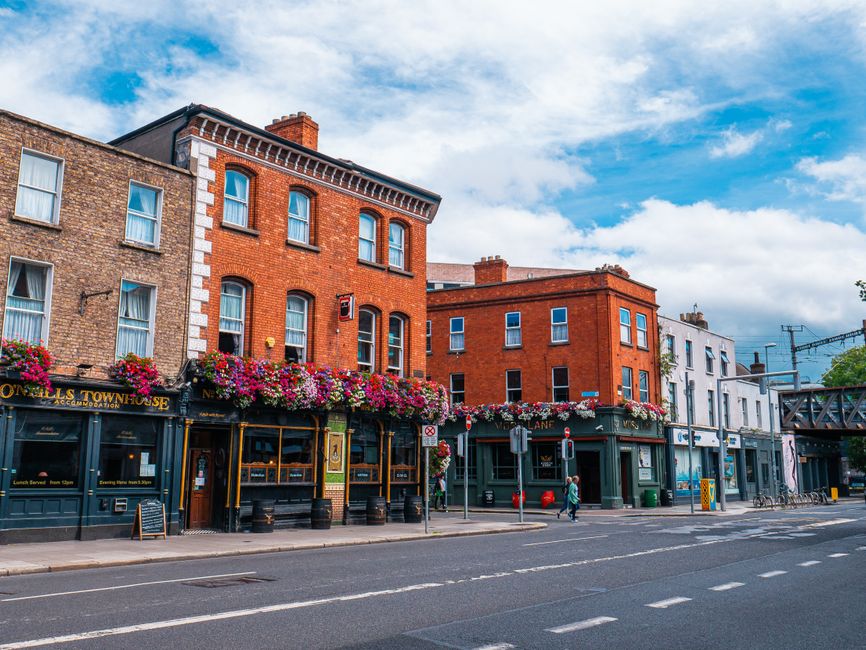
Dublin's geography is defined by the Liffey River dividing north from south. South is touristy, historic, expensive—Temple Bar, Trinity, Georgian squares. North is grittier, more authentic, cheaper—O'Connell Street, literary sites, local character. West has gentrified neighborhoods like Smithfield. Each area has distinct vibe. Choose based on what you want: tourists and history? South. Authentic local Dublin? North. Trendy neighborhoods? West around Smithfield.
Best For: First-time visitors, nightlife, pubs

Best For: Literature enthusiasts, history, architecture
🍺 Temple Bar & South Riverfront
🚇 Luas: Temple Bar (Red Line), Abbey Street (Red Line), Smithfield (Red Line)
Dublin's Most Famous Quarter
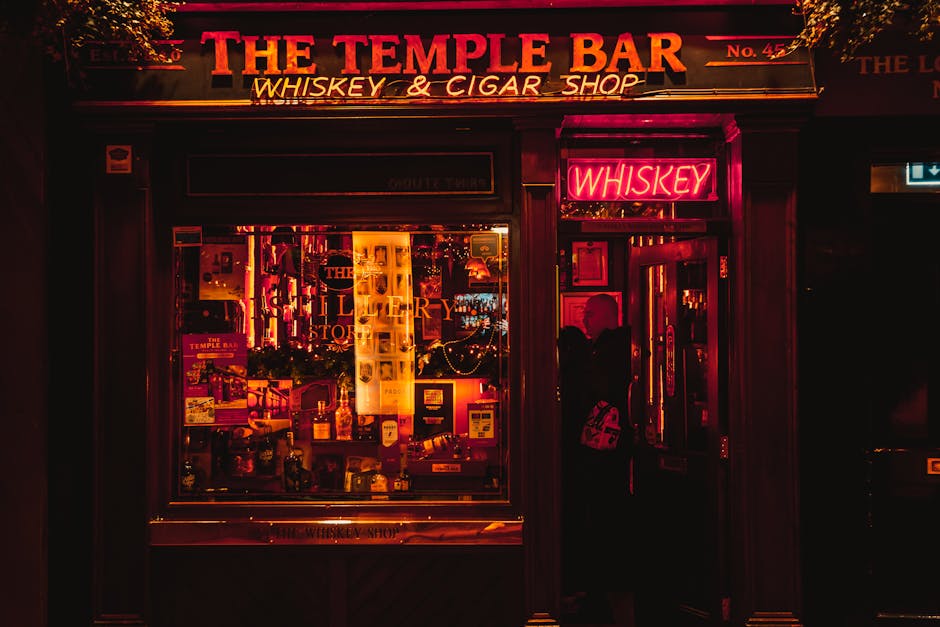
Temple Bar is Dublin's most famous neighborhood—a warren of narrow streets, cobblestones, medieval buildings, and pubs. It's overtly touristy (packed with stag parties, hen parties, tour groups), expensive, and somewhat artificial. But it's also genuinely atmospheric, architecturally beautiful, and historically significant. The area was a slum in the 1970s; the Irish government planned to demolish it for a bus station. Instead, it's been revitalized as a cultural and entertainment district.
The neighborhood's name comes to from a 17th-century Irish banker, Sir William Temple. The area became bohemian in the 1980s when artists moved into cheap property. Today, it's the opposite of cheap—it's Dublin's most expensive neighborhood for dining and drinking. But it remains culturally significant: theaters, galleries, live music venues, the best tourist experience of Dublin.
Yes, you should visit Temple Bar. Yes, it's touristy. No, you shouldn't judge yourself for enjoying it. Get a pint, listen to live Irish music, soak in the atmosphere. It's an experience, even if it's a commercialized one.
🍺 Famous Pubs & Bars


🏛️ Historic Sites


📚 Literary Dublin (South Side)
🚇 Luas: Pearse (Red), Trinity (Green), Grafton Street (Green)
Home of Irish Literature
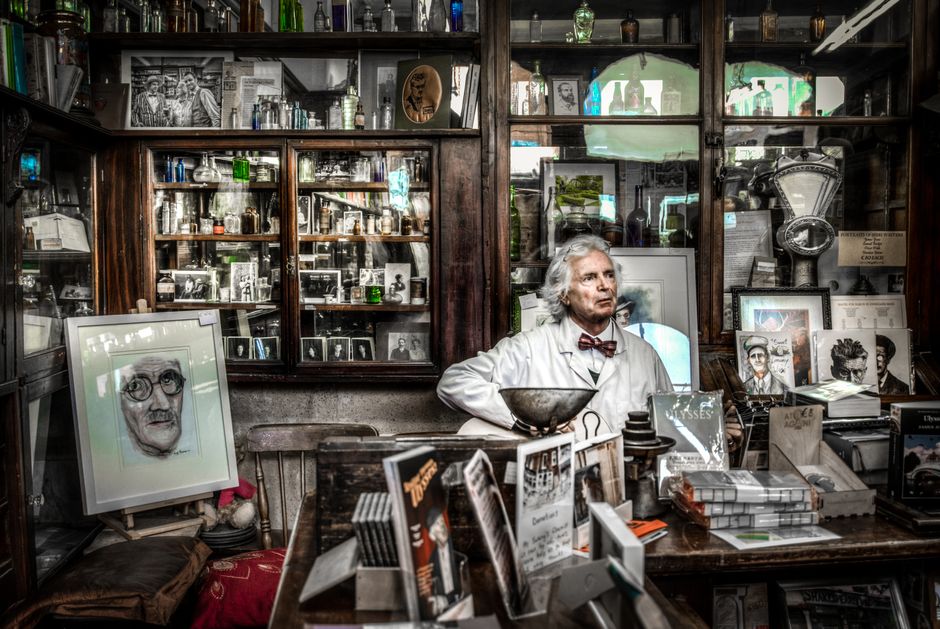
Literary Dublin is the South Side—Trinity College, St Stephen's Green, Georgian squares. This is where James Joyce set *Ulysses*, where he could describe Dublin so intimately that you can follow Leopold Bloom's route through the city. Samuel Beckett walked these streets. W.B. Yeats lived nearby. The Abbey Theatre (though on North Side) was founded from Dublin's literary energy. For literature enthusiasts, this neighborhood is pilgrimage.
Trinity College is beautiful—medieval and Georgian architecture, cobblestone squares, the Long Room with its iconic barrel-vaulted ceiling. The Book of Kells is here (€14 entry). St Stephen's Green is a graceful park surrounded by Georgian townhouses. The National Library is where Yeats and Joyce studied. Merrion Square has Georgian elegance.
This neighborhood represents 'refined' Dublin—elegant architecture, intellectual heritage, cultural institutions. It's expensive (Trinity is surrounded by expensive shops and restaurants) but historically essential to understanding Dublin's literary significance.
📚 Literary Sites


🍽️ Historic Cafes & Restaurants


🚇 Getting Around
🔒 Getting Around - Available in paid tiers
🏨 Where to Stay
🔒 Where to Stay - Available in paid tiers
🍜 Food Guide
🔒 Food Guide - Available in paid tiers
Must-Try Dishes
💡 Dining Tips
🎯 Book Activities in Dublin
Tours, attractions, experiences & more
Powered by Klook • Best price guaranteed
🏨 Book Your Stay in Dublin
Find the best hotels, hostels, and apartments
Best price across Booking, Expedia, VRBO & more • Powered by Stay22
📋 Practical Information
🔒 Practical Info - Available in paid tiers🌞 Sunny Travel Guides
The Confidence To Travel / Never Be Lost
© 2026 Sunny Travel Guides. All rights reserved.