China
Ancient Wonders, Modern Marvels
Find restaurants, attractions, hotels, or anything travel-related
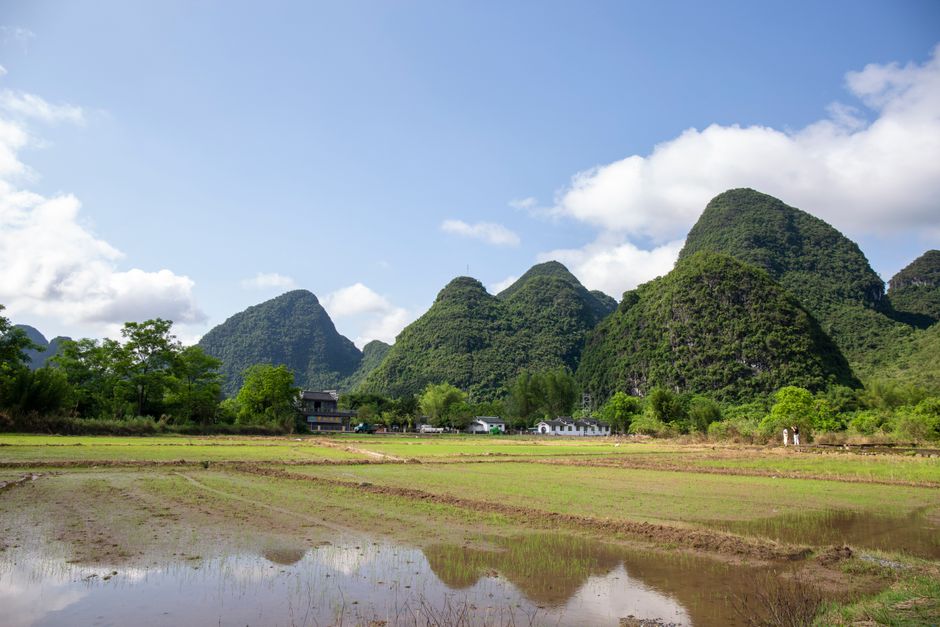
China spans from tropical Hainan to frozen Manchuria, Himalayan peaks to Pacific coastline. The landscape encompasses the Gobi Desert's vastness, Guilin's ethereal karst formations, Yunnan's terraced rice paddies, and the Yangtze's dramatic gorges. Five climate zones support ecosystems from bamboo forests sheltering pandas to grasslands where Mongolian herders still roam. This geographic diversity shaped distinct regional cultures across 56 recognized ethnic groups.
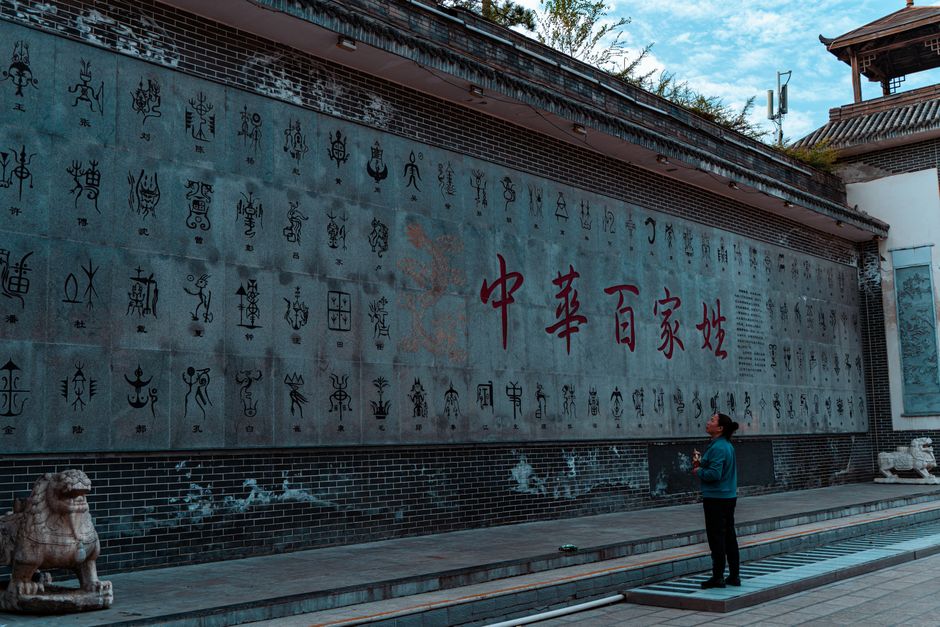
Chinese civilization stretches back 5,000 years—dynasties rose and fell, philosophies emerged, and artistic traditions refined over millennia. Confucian values still shape family relationships; Buddhist and Taoist temples punctuate every city. The written language unites speakers of mutually unintelligible dialects. Revolutionary upheaval transformed the 20th century, yet ancient practices survive: tai chi in parks at dawn, tea masters performing elaborate ceremonies, and festivals following lunar rhythms.
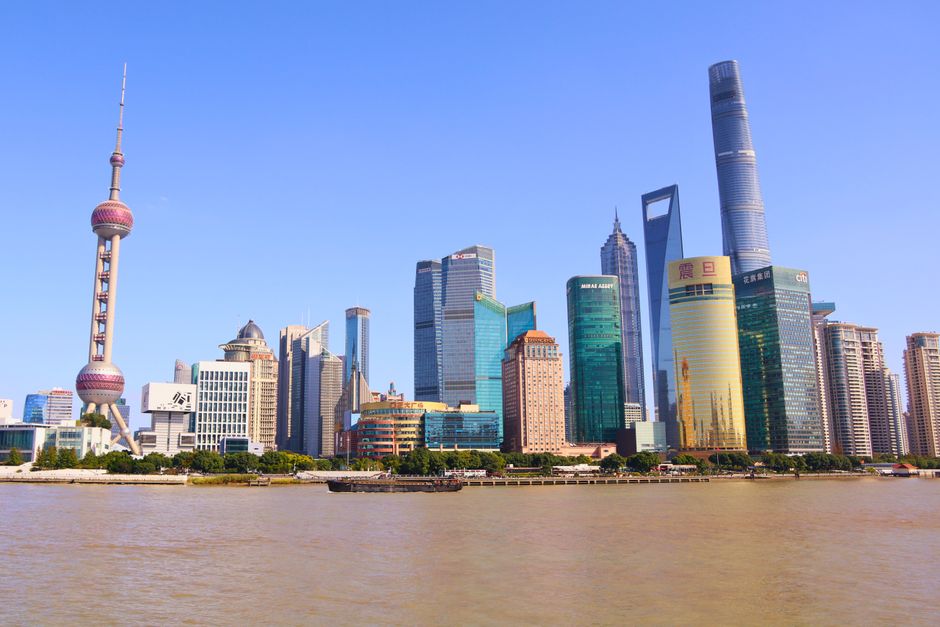
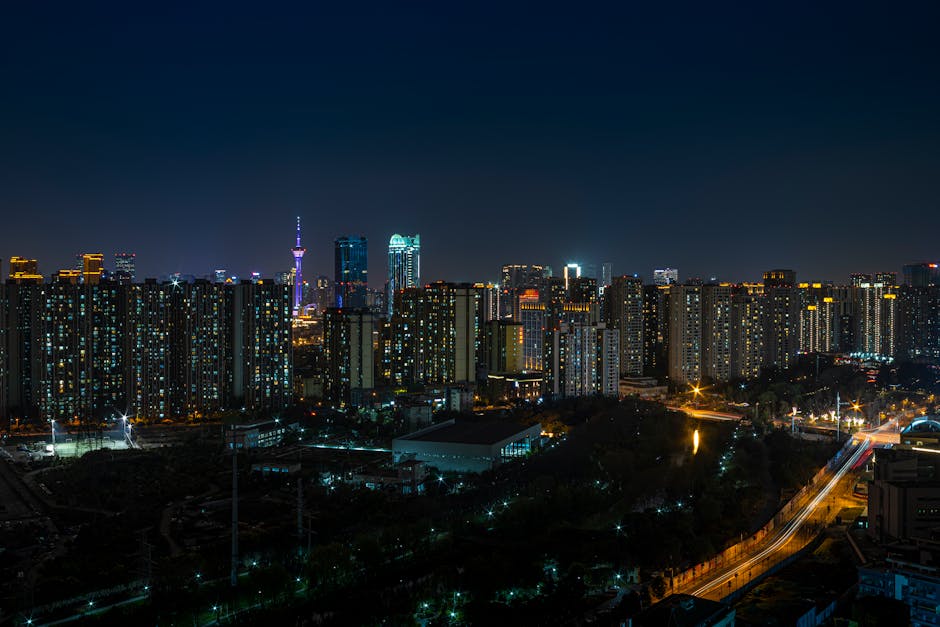
Travelers encounter a nation of contrasts—bullet trains whisking past rice paddies, smartphone payments in ancient markets, and skyscrapers overlooking temple incense. Beijing's imperial grandeur, Shanghai's Art Deco glamour, Xi'an's archaeological treasures, and Chengdu's laid-back teahouse culture each offer distinct experiences. The food journey alone spans fiery Sichuan hotpot, delicate Cantonese dim sum, hand-pulled Lanzhou noodles, and Peking duck ceremonies.
Confucian principles of hierarchy, education, and family duty remain influential. Buddhism, Taoism, and folk religions coexist. The Communist Party's role shapes public life, while private expression flourishes in art, cuisine, and commerce.
Present and receive items with both hands. Don't stick chopsticks upright in rice (funeral symbolism). Toasting with baijiu is serious business—pace yourself. Gift-giving follows complex rules; avoid clocks, white wrapping, and sets of four. Tipping is not customary and may cause confusion.
Most nationalities require a visa before arrival. Apply through Chinese embassy/consulate or visa service. Tourist visas (L visa) typically allow 30-60 days. Transit without visa (TWOV) permits 72-144 hour stays in certain cities. Check current policies—regulations change frequently.
China offers excellent value—street food for dollars, comfortable hotels for $50-80, and domestic flights surprisingly cheap. High-speed rail rivals flying for convenience. Luxury options exist but aren't necessary for quality experiences. The biggest expense is often the visa.
April-May, September-October
China's capital for 800 years, Beijing layers imperial grandeur with communist monumentality and 21st-century ambition. The Forbidden City's 9,999 rooms, hutong alleyways hiding courtyard homes, and the Great Wall snaking across nearby mountains make this the essential China introduction.

The world's largest palace complex—home to 24 emperors across 500 years. 980 buildings, 9,999 rooms, and treasures spanning dynasties. Enter from Tiananmen Gate, exit at Jingshan Park for rooftop panorama. Allow half day minimum; audio guide essential.
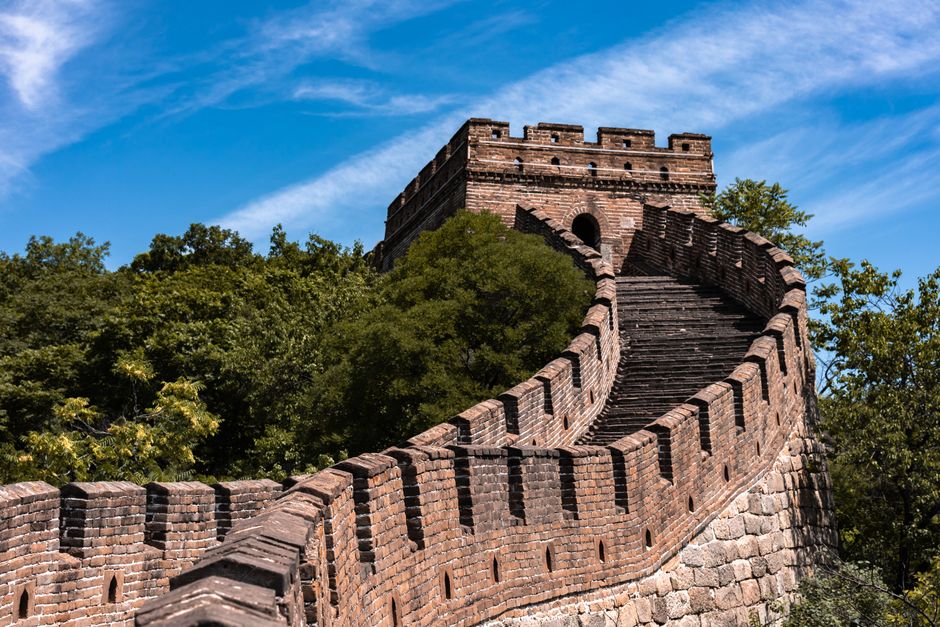
Less crowded than Badaling with better-restored sections and stunning mountain scenery. Cable car up, toboggan down, or hike between watchtowers. Early morning or late afternoon avoids tour groups. The quintessential China experience.
🔓 1 more places in Premium
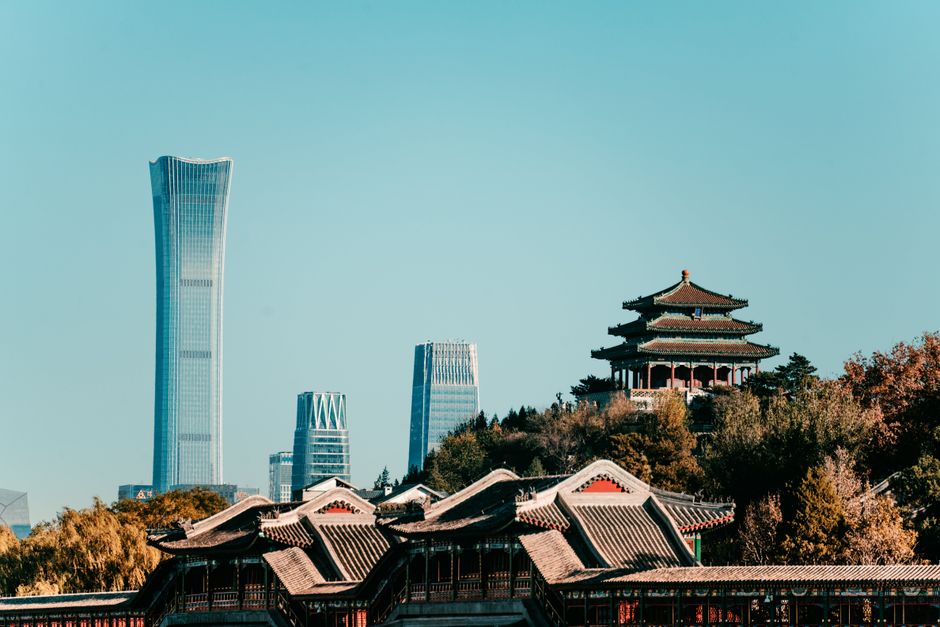
The most famous hutong street—700 years old, now lined with cafes, boutiques, and snack vendors. Touristy but atmospheric; duck into side alleys for quieter courtyard discoveries. Evening brings bar scene and street performers.

Twin towers that once marked time for the imperial city—drum performances throughout the day, panoramic hutong views from top. The surrounding neighborhood is prime hutong territory for wandering. Rooftop bars nearby offer evening views.
🔓 1 more places in Premium
Get all 5 cities with interactive neighborhood guides, insider tips, and full practical information
Upgrade Now →Beijing, the Great Wall, and imperial history. Cold winters, wheat-based cuisine, and the political heart of the nation.
View on MapShanghai, Hangzhou, Suzhou—the wealthy coastal region of water towns, modern cities, and Yangtze River delta prosperity.
View on MapGuangzhou, Guilin, and Hong Kong gateway. Cantonese culture, karst landscapes, and subtropical climate.
View on MapSichuan, Yunnan, and ethnic minority regions. Pandas, spicy food, Tibetan borders, and remarkable diversity.
View on MapChinese cuisine encompasses eight major regional traditions, each distinct as European national cuisines. Meals are communal—dishes shared family-style from lazy Susan. Freshness is paramount; ingredients sourced daily. Tea accompanies everything. Street food culture thrives from breakfast jianbing to late-night skewers. The phrase 'have you eaten?' serves as greeting.
🔒 Transportation - Available in paid tiers
Everything you need for China - tours, transfers, SIM cards & more

Explore China with guided tours and unique experiences. From day trips to multi-day adventures.

Skip-the-line tickets to top attractions in China. Book ahead and walk right in.

Airport transfers, SIM cards, rail passes - everything you need for smooth travels.
Find the best hotels, hostels, and apartments
Best price across Booking, Expedia, VRBO & more • Powered by Stay22
Health: 🔒 Health - Available in paid tiers
Safety: 🔒 Safety - Available in paid tiers
🔒 Internet - Available in paid tiers
🔒 Money - Available in paid tiers