🇹🇭 Welcome to Chiang Mai
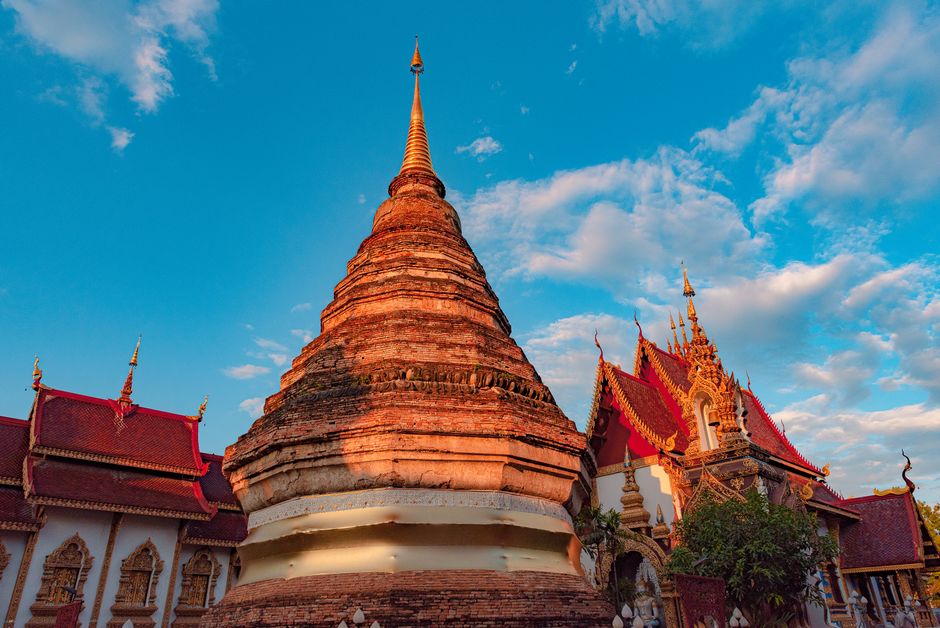
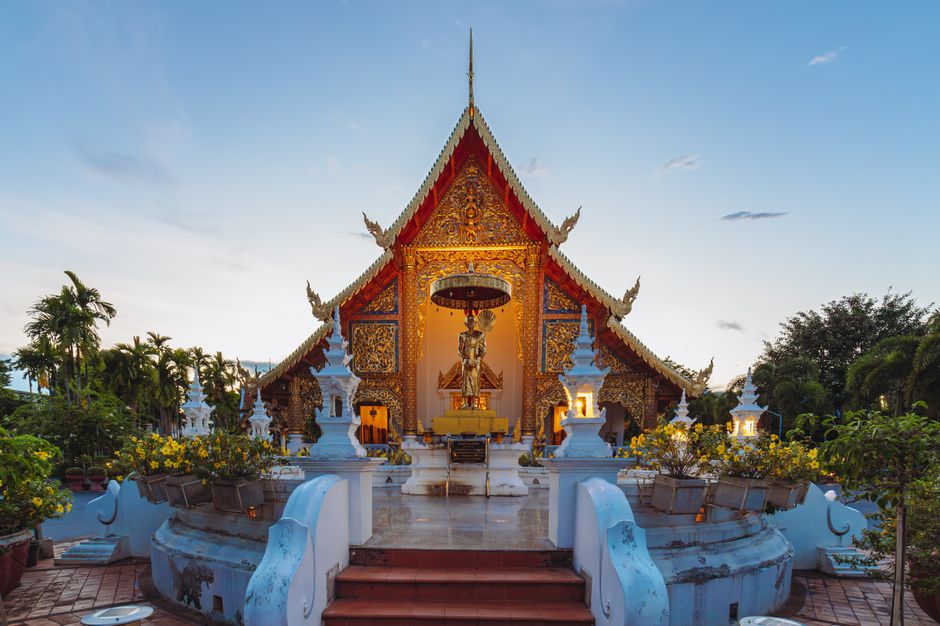
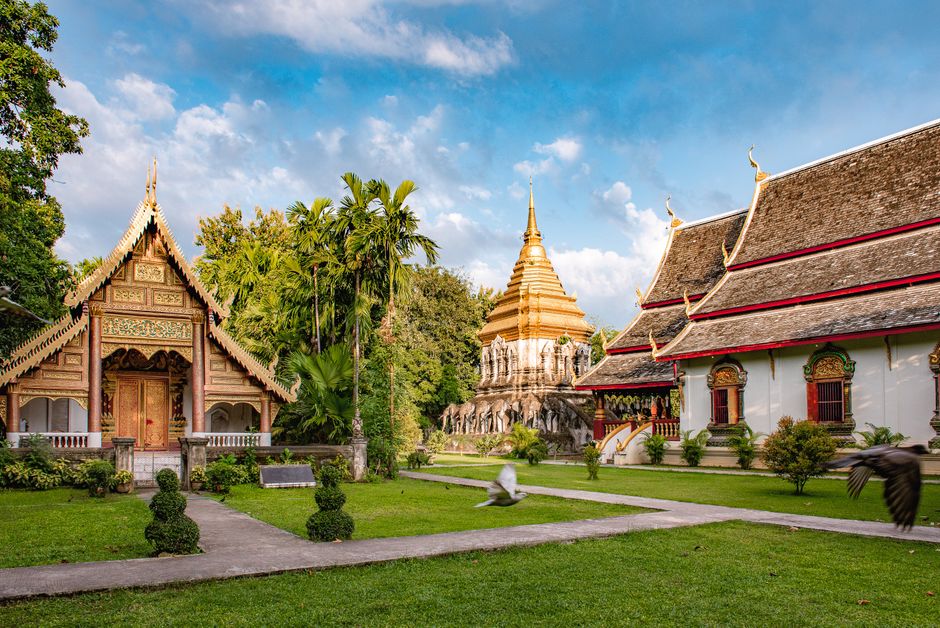
Chiang Mai is Thailand's spiritual and cultural counterweight to Bangkok's chaos. Once the capital of the independent Lanna Kingdom, this northern city of 130,000 (1.2 million in the province) sits in a mountain valley where ancient temples share space with trendy coffee shops and co-working spaces. The old city, still bounded by a moat and fragments of medieval walls, contains more than 30 temples within its square kilometer—golden spires and saffron-robed monks are constant presences. But Chiang Mai has also become Southeast Asia's premier digital nomad destination, bringing excellent cafes, international restaurants, and a cosmopolitan energy that belies its provincial size. The surrounding mountains offer elephant sanctuaries (ethical ones exist), hill tribe villages, and Doi Inthanon, Thailand's highest peak. The Sunday Walking Street market, night bazaars, and cooking classes draw tourists, while the slower pace, lower prices, and cooler climate (by Thai standards) keep long-term expats. It's the best of both worlds: genuinely Thai culture without Bangkok's exhausting intensity.
Understanding Chiang Mai
Chiang Mai's character flows from its Lanna heritage. The Lanna Kingdom ruled northern Thailand from 1292 until Burmese conquest in 1558; the region only joined Siam (Thailand) in 1774 and retained distinct identity into the 20th century. This history shows in the temple architecture (more ornate than central Thai styles), the cuisine (milder, influenced by Burma and Laos), and local pride. Chiang Mai people speak their own dialect and consider themselves culturally distinct from Bangkok Thais. Buddhism here feels more accessible—temples welcome visitors, monks interact with locals constantly, and meditation courses are easily found. The digital nomad influx since 2010 has transformed Nimman Road into a hipster paradise of specialty coffee and co-working spaces, but the old city retains traditional rhythms. Thai social norms apply: respect the monarchy, dress modestly at temples, remove shoes when entering homes and sacred spaces, and never touch someone's head or point feet at people or Buddha images.
⚡ Essential Chiang Mai Tips
• Rent a scooter (฿200-300/day) only if you're confident riding—traffic is chaotic and accidents are common. Songthaews (red trucks) go everywhere for ฿30-50; Grab works well for fixed-price rides.
• The Old City is walkable but distances beyond are deceptive. Nimman to the Old City is 3km—too far in midday heat. Plan transport or rent wheels.
• Temple dress code is enforced: covered shoulders and knees. Carry a sarong or light pants for spontaneous temple visits. Many temples provide cover-ups but not all.
🔍 Search Chiang Mai
🗺 Interactive Chiang Mai Map
🧭 Quick Navigation
🗺️ Chiang Mai Areas
Chiang Mai centers on the square Old City, bounded by moats and remnant walls. East of the Old City is the Night Bazaar area and Tha Pae Gate. Northwest is Nimman Road (Nimmanhaemin)—the modern, trendy district of cafes and co-working spaces. West and into the mountains is Doi Suthep, home to the city's most famous temple. The Riverside (Ping River) runs through the east side.

Best For: Temple-hopping, budget stays, traditional atmosphere

Best For: Digital nomads, coffee lovers, modern dining, nightlife
🛕 Old City
🚇 Walk, rent bicycle, or take songthaew (red truck) from anywhere in the city
The Lanna Heart
The Old City occupies the original settlement founded by King Mengrai in 1296 as the capital of the Lanna Kingdom. The square moat and remnant walls once protected a thriving capital that rivaled Ayutthaya. Within this one-square-kilometer area stand more than 30 temples, each representing centuries of devotion. The layout follows ancient principles: important temples at the center, the east gate (Tha Pae) facing the rising sun and serving as the ceremonial entrance.
Today the Old City balances heritage preservation with backpacker economics. Guesthouses and cafes fill the lanes, but monks still collect alms at dawn, incense drifts from temple courtyards, and elderly residents maintain traditions their grandparents practiced. The Sunday Walking Street market transforms Ratchadamnoen Road into a kilometer of handicrafts, food stalls, and traditional performances—the best single experience of Chiang Mai culture.
🛕 Temples
🍽️ Restaurants


☕ Nimman Road
🚇 Songthaew from Old City (฿30), Grab (฿50-80), or rent scooter
Digital Nomad Paradise
Nimman Road (Nimmanhaemin to locals) transformed from a quiet university neighborhood into Southeast Asia's digital nomad capital. The proximity to Chiang Mai University brought students, then cafes, then WiFi-dependent remote workers from around the world. Now the area is a grid of boutique coffee shops, co-working spaces, design stores, and international restaurants—some blocks feel more like Berlin or Melbourne than Thailand.
The nomad economy has its critics: rents have risen, local businesses displaced, and the neighborhood has lost Thai character. But for visitors, Nimman offers comforts hard to find elsewhere in Southeast Asia: specialty coffee at global standards, reliable fast internet, air-conditioned workspaces, and international cuisine. It's the perfect base for long-term stays and a refreshing counterpoint to temple fatigue.
☕ Cafes & Co-working


🍽️ Restaurants

🚇 Getting Around
🔒 Getting Around - Available in paid tiers
🏨 Where to Stay
🔒 Where to Stay - Available in paid tiers
🍜 Food Guide
🔒 Food Guide - Available in paid tiers
Must-Try Dishes
💡 Dining Tips
🎯 Book Activities in Chiang Mai
Tours, attractions, experiences & more
Powered by Klook • Best price guaranteed
🏨 Book Your Stay in Chiang Mai
Find the best hotels, hostels, and apartments
Best price across Booking, Expedia, VRBO & more • Powered by Stay22
📋 Practical Information
🔒 Practical Info - Available in paid tiers🌞 Sunny Travel Guides
The Confidence To Travel / Never Be Lost
© 2026 Sunny Travel Guides. All rights reserved.