📖 Birmingham Free Sample Guide - FREE
🌞 Sunny Travel Guides
The Confidence To Travel / Never Be Lost
All Guides Journal Free Travel Tips β†’
Å¾
✉
Birmingham Map Overview

🏭 Birmingham

England's Second City: Where Industry Meets Innovation

πŸ‡¬πŸ‡§ Welcome to Birmingham

Birmingham is Britain's great comeback story – a city that powered the Industrial Revolution, built the workshops of the world, and is now reinventing itself as a cultural and culinary destination. With more canals than Venice, more Michelin-starred restaurants than any UK city outside London, and a curry scene that rivals anywhere on the planet, Birmingham rewards visitors who look beyond its working-class reputation. The Bullring's futuristic curves contrast with Victorian red-brick factories turned creative studios. The Jewellery Quarter still crafts a quarter of Britain's jewelry. And the Balti Triangle serves the curry dish that Birmingham invented. Locals call their city 'Brum' and themselves 'Brummies' – terms of endearment that capture the city's warm, unpretentious spirit. This is a city that built things, fed workers, and never stopped moving forward.

Population
1.15 million (metro: 2.9 million)
Area
267 kmΒ²
Timezone
GMT/BST (UTC+0/+1)
Language
English (Brummie dialect)
Currency
British Pound (Β£)
Best Time
May-September (warm), December (Christmas markets)
Airport
BHX (Birmingham Airport)

Understanding Birmingham

Birmingham's identity was forged in fire and steel. By 1800, it was 'the workshop of the world,' producing everything from guns to buttons to steam engines. Matthew Boulton and James Watt perfected the steam engine here. The city's canal network – 35 miles within the city limits – carried raw materials in and finished goods out. This industrial might came at a cost: Dickensian poverty, pollution, and eventually wartime bombing that flattened much of the center. Post-war planners made it worse with brutal concrete ring roads that severed neighborhoods. But Birmingham is nothing if not resilient. The past two decades have seen remarkable regeneration: the Bullring shopping center, the Library of Birmingham, canal-side developments, and a food scene that has earned more Michelin stars than Manchester, Leeds, and Liverpool combined. The Brummie accent – often mocked by southerners – has become a point of pride. The city's diversity is its strength: over 40% of residents are from ethnic minorities, creating one of Britain's most multicultural food scenes. Come hungry, come curious, and prepare to have your assumptions challenged.

⚑ Essential Birmingham Tips

• Get a Swift card for public transport – it works on buses, trams, and trains within the West Midlands. Day passes offer unlimited travel and better value than single tickets. Buy from machines at New Street Station or any tram stop.

• The canal towpaths are the best way to explore – they connect major attractions and offer car-free walking. Gas Street Basin to the Mailbox is the classic route. Don't worry about safety; they're well-lit and popular with commuters.

• Book Balti restaurants on weekends – the Balti Triangle gets packed Thursday through Sunday. Most are BYOB (bring your own bottle), so grab wine or beer from a nearby shop and save money.

πŸ—ΊοΈ Birmingham Neighborhoods

Birmingham sprawls across the West Midlands with distinct neighborhoods reflecting its industrial past and multicultural present. The compact city centre clusters around New Street Station, with the Bullring shopping complex and historic Victoria Square. The Jewellery Quarter preserves Georgian streets and working craftsmen. Digbeth is the creative quarter – street art, indie venues, and converted warehouses. And the Balti Triangle in Sparkbrook/Sparkhill is ground zero for Britain's curry culture.

Birmingham City Centre with modern architecture
πŸ›οΈ City Centre
Shopping, culture, transport hub
Must-See: Library of Birmingham, Victoria Square, Bullring
Best For: Shopping, museums, central location
🚇 New Street Station (all lines)
Georgian architecture in Birmingham Jewellery Quarter
πŸ’Ž Jewellery Quarter
Historic, artisan, trendy bars
Must-See: Museum of the Jewellery Quarter, St Paul's Square, independent shops
Best For: History buffs, shopping for jewelry, cocktail bars
🚇 Jewellery Quarter (Metro/tram)

πŸ›οΈ City Centre

🚇 Train: Birmingham New Street (all lines), Birmingham Moor Street (Chiltern Railways to London)

City Centre
Photo: Rahimat Onize Shaibu / Pexels

The Heart of the Second City

Birmingham's city centre has been rebuilt multiple times – bombed in WWII, brutalized by post-war planners, and now transformed by 21st-century regeneration. The result is an architectural timeline: Victorian arcades, 1960s concrete, and gleaming contemporary landmarks. Victoria Square anchors the civic heart, with the imposing Council House (1879) facing the controversially modern 'Floozie in the Jacuzzi' fountain.

The Bullring shopping centre, opened in 2003, replaced a universally loathed 1960s predecessor. Its curving Selfridges building, covered in 15,000 aluminum discs, has become Birmingham's most recognizable landmark – love it or hate it, it announced the city's reinvention. Below lies one of Britain's largest retail complexes, connected to Grand Central above New Street Station.

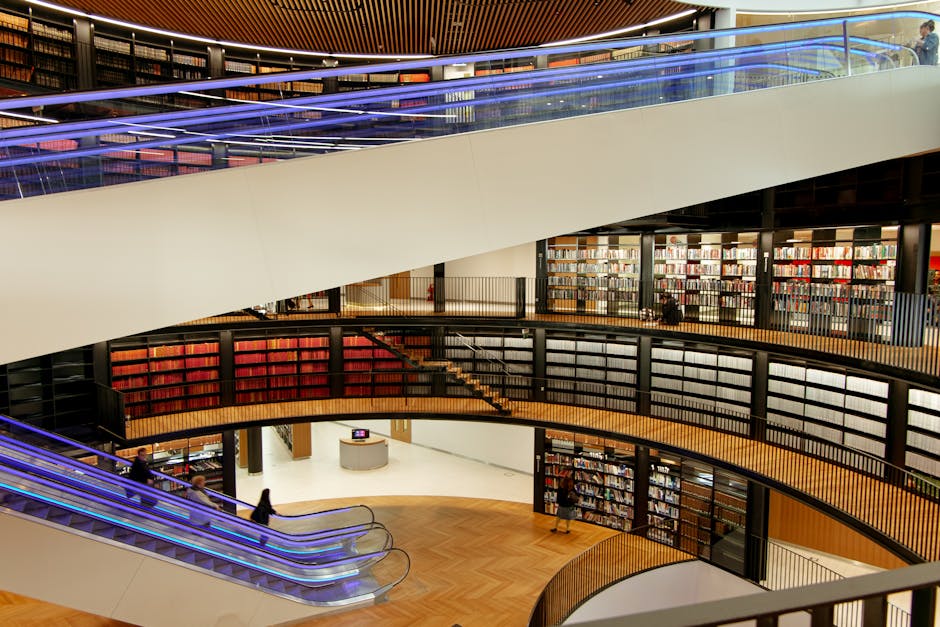
The Library of Birmingham (2013) represents the city's cultural ambitions: Europe's largest public library, with rooftop gardens, rare book collections, and a Shakespeare memorial room. It cost Β£188 million and looks like a stack of golden boxes – fitting for a city that always bet big on the future.

πŸ›οΈ Museums & Culture

Library of Birmingham
Photo: Olga Lioncat / Pexels
Library of Birmingham
⭐ Popular
💰 FREE 🚇 New Street Station, 5-minute walk 🚶 5-10 min walk
Europe's largest public library occupies a stunning contemporary building with rooftop gardens offering city views. The Shakespeare Memorial Room houses rare folios in an ornate Victorian interior transplanted from the old library. Free exhibitions rotate through the gallery spaces.
Highlights: Rooftop gardens, Shakespeare room, free entry, panoramic views
📍 View on Map
Birmingham Museum & Art Gallery
Photo: Olga Lioncat / Pexels
Birmingham Museum & Art Gallery
⭐ Popular
💰 FREE (donations welcome) 🚇 New Street Station, 3-minute walk to Chamberlain Square 🚶 5-10 min walk
One of Britain's finest regional museums, famous for the world's largest collection of Pre-Raphaelite paintings. The Staffordshire Hoard – the largest Anglo-Saxon gold collection ever found – is displayed in dedicated galleries. Allow 2-3 hours minimum.
Highlights: Pre-Raphaelite art, Staffordshire Hoard, free entry, Victorian building
📍 View on Map
Town Hall Birmingham
Photo: Olga Lioncat / Pexels
Town Hall Birmingham
⭐ Popular
💰 Tours Β£8; event tickets vary 🚇 New Street Station, 3-minute walk 🚶 5-10 min walk
This Roman temple-style building (1834) hosts concerts, events, and organ recitals. The acoustic was designed for Mendelssohn, who premiered works here. When not hosting events, the building can be visited on guided tours exploring its neoclassical grandeur.
Highlights: Classical concerts, Victorian architecture, famous organ, historic venue
📍 View on Map

πŸ›οΈ Shopping

Bullring & Grand Central
Photo: Richard Hewitson / Pexels
Bullring & Grand Central
⭐ Popular
💰 Varies 🚇 New Street Station (direct connection) 🚶 5-10 min walk
Birmingham's retail heart combines two massive shopping centers with over 200 stores. The Selfridges building's distinctive disc-covered facade is an Instagram essential. Grand Central sits above New Street Station with John Lewis as its anchor. The outdoor market sells fresh produce daily.
Highlights: 200+ stores, Selfridges architecture, direct station access, outdoor market
📍 View on Map
Great Western Arcade
Photo: Olga Lioncat / Pexels
Great Western Arcade
⭐ Popular
💰 Varies 🚇 New Street Station, 2-minute walk 🚶 5-10 min walk
A beautifully preserved Victorian shopping arcade (1876) with independent boutiques, tea rooms, and specialist shops. The glazed roof and ornate ironwork make it a photographer's dream. Less crowded than the Bullring and full of character.
Highlights: Victorian architecture, independent shops, less crowded, historic
📍 View on Map
The Mailbox
Photo: Shay Gordon / Pexels
The Mailbox
⭐ Popular
💰 Varies 🚇 New Street Station, 8-minute walk via canal 🚶 5-10 min walk
A former Royal Mail sorting office transformed into a premium shopping and dining destination. Harvey Nichols anchors the retail, while canal-side restaurants offer waterfront dining. The BBC's Birmingham studios are based here.
Highlights: Harvey Nichols, canal-side dining, BBC studios, upscale atmosphere
📍 View on Map

πŸ’Ž Jewellery Quarter

🚇 Metro/Tram: Jewellery Quarter Station (West Midlands Metro); also St Paul's tram stop

Jewellery Quarter
Photo: Margo Evardson / Pexels

Where Birmingham Still Makes Things

The Jewellery Quarter is living industrial heritage – 200 years of continuous craft production in a square mile of Georgian and Victorian workshops. By 1900, Birmingham produced nearly half of all British jewelry. Today, 500 businesses still operate here, employing 6,000 craftspeople who produce 40% of UK jewelry. The sound of hammers on metal echoes from workshop windows.

St Paul's Square, the only intact Georgian square in Birmingham, anchors the neighborhood. The surrounding streets – names like Vyse Street and Warstone Lane – preserve the specialized trades that clustered here: diamond setters, engravers, silversmiths, and watchmakers. Many workshops offer bespoke services and factory tours.

The neighborhood has evolved beyond jewelry. Cocktail bars occupy former workshops, restaurants fill converted factories, and creative businesses cluster alongside traditional craftsmen. The mix works because both old and new value making things – just different things. The bi-annual Jewellery Quarter Festival celebrates this heritage with open studios and street markets.

πŸ’Ž Jewellery & Shopping

Museum of the Jewellery Quarter
Photo: Oliver Potter / Pexels
Museum of the Jewellery Quarter
⭐ Popular
💰 Β£7.50 🚇 Jewellery Quarter tram stop, 3-minute walk 🚶 5-10 min walk
A preserved Victorian jewelry workshop frozen in time when the owner died in 1981. Guided tours show the original workbenches, tools, and unfinished pieces exactly as craftsmen left them. The stories of the workers – including children – bring industrial Birmingham to life.
Highlights: Preserved workshop, guided tours, Victorian industrial heritage
📍 View on Map
The Quarterworkshop
Photo: Sonny Vermeer / Pexels
The Quarterworkshop
⭐ Popular
💰 Pieces from Β£30-30,000+ 🚇 Jewellery Quarter tram stop, 5-minute walk 🚶 5-10 min walk
A collective of independent jewelers sharing workshop space and retail. Watch craftspeople at work, commission custom pieces, or browse unique designs you won't find on the high street. Prices range from affordable silver to investment diamonds.
Highlights: Watch craftspeople, custom commissions, unique designs, range of prices
📍 View on Map
Vyse Street Jewellers
Photo: robert roberts / Pexels
Vyse Street Jewellers
⭐ Popular
💰 Varies widely 🚇 Jewellery Quarter tram stop, 1-minute walk 🚶 5-10 min walk
The main artery of the quarter, Vyse Street is lined with jewelry shops, wholesalers, and workshops. Diamond dealers, engagement ring specialists, and antique jewelers cluster together. Competition keeps prices competitive – haggling is expected.
Highlights: Engagement rings, wholesale prices, multiple shops, expect to negotiate
📍 View on Map

🍸 Bars & Restaurants

The Physician
Photo: James Dollin / Pexels
The Physician
⭐ Popular
💰 Cocktails Β£10-14 🚇 Jewellery Quarter tram stop, 5-minute walk 🚶 5-10 min walk
A pharmacy-themed cocktail bar in a converted medical supplies warehouse. Drinks are 'prescribed' based on symptoms you describe. The apothecary aesthetic extends to glassware, ingredients, and waitstaff in lab coats. Book a booth for the full experience.
Highlights: Pharmacy theme, prescribed cocktails, booth reservations, creative drinks
📍 View on Map
40 St Paul's
Photo: Wender Junior Souza Vieira / Pexels
40 St Paul's
⭐ Popular
💰 Cocktails Β£11-15 🚇 St Paul's tram stop, 2-minute walk 🚶 5-10 min walk
An upmarket gin bar in a gorgeous Georgian townhouse overlooking St Paul's Square. The gin menu runs to over 100 varieties. Summer brings an outdoor terrace; winter sees log fires and leather armchairs. Smart casual dress code.
Highlights: 100+ gins, Georgian townhouse, outdoor terrace, upscale atmosphere
📍 View on Map
Eight Foot Grocer
Photo: Christopher More / Pexels
Eight Foot Grocer
⭐ Popular
💰 Mains Β£15-22 🚇 Jewellery Quarter tram stop, 4-minute walk 🚶 5-10 min walk
Farm-to-fork dining in a converted grocer's shop. The daily-changing menu depends on what's best from local suppliers. Exposed brick, mismatched furniture, and no-nonsense service create a relaxed neighborhood restaurant. No reservations – just turn up.
Highlights: Daily changing menu, local suppliers, no reservations, relaxed vibe
📍 View on Map

🚇 Getting Around

🔒 Getting Around - Available in paid tiers

🏨 Where to Stay

🔒 Where to Stay - Available in paid tiers

🍜 Food Guide

🔒 Food Guide - Available in paid tiers

Must-Try Dishes

💡 Dining Tips

Book Tours & Travel Essentials

Everything you need for Birmingham - tours, transfers, SIM cards & more

🚐 Day Trips & Tours

⭐ Things to Do

✈️ Travel Essentials

🔍 Search All Klook Experiences

Klook.com

🏨 Book Your Stay in Birmingham

Find the best hotels, hostels, and apartments

🏨
Hotels
All star ratings
🛌️
Hostels
Budget-friendly
🏠
Apartments
Home comforts
Resorts
Luxury stays
🔍 Search All Stays in Birmingham

Best price across Booking, Expedia, VRBO & more • Powered by Stay22

📋 Practical Information

🔒 Practical Info - Available in paid tiers

🌞 Sunny Travel Guides

The Confidence To Travel / Never Be Lost

Β© 2026 Sunny Travel Guides. All rights reserved.

🔍§ DEV MODE ACTIVE - Click venue photos to mark for replacement, click descriptions to edit

Â¸ Photo Replacement

Queue empty
0 photos marked on this page

Â Content Editor

0 descriptions edited

Ready to explore more?

Choose your guide level and get instant access

NEXT →