🇩🇪 Welcome to Berlin
Berlin is simultaneously beautiful and heavy. The Brandenburg Gate symbolizes reunification. The Holocaust Memorial is gut-wrenching. Street art is world-class. Nightlife is legendary. The Reichstag dome offers 360° city views. East Side Gallery (remaining Berlin Wall) is haunting. The city's character comes from recent history—the division, the fall of the Wall, the struggle to reunify. That weight makes it profound. But Berlin is also young, creative, anarchic. Squats become galleries. Underground clubs in concrete bunkers become legendary. Bohemians and creatives have made entire neighborhoods art projects. English is widely spoken. Beer is cheap. Food is excellent. Berlin rewards slow exploration—random neighborhoods yield amazing street art, vintage shops, hole-in-the-wall restaurants.
The Wall's Shadow & Reunification
Berlin's identity is inseparable from the Berlin Wall (1961-1989). It divided the city, the country, the world. East Berlin (Soviet-controlled) vs. West Berlin (Western-controlled) created two cities: one grey, one vibrant. The Wall's fall in 1989 is one of history's pivotal moments. Today, remnants exist—East Side Gallery, memorial sites, the 'mental wall' residents sometimes reference. Understanding this history enriches visiting: Reichstag bullet holes from WWII, Soviet memorial in Treptow, Holocaust memorial, Checkpoint Charlie history. But Berlin isn't trapped in the past. Young Berliners shape the future: street art, techno clubs, startup culture, radical politics. The city's energy comes from this tension: remembering without being defined, mourning without despair, creating despite the weight of history.
🚨 Essential Berlin Tips
• Get Berlin Welcome Card: 3-day €49 includes public transport + museum discounts. Buy at airports, hotels. Makes sense if visiting multiple museums. Otherwise, tickets €3, day passes €10.
• Beer culture: breweries and beer gardens are social institutions. Prater Garten (oldest) is mandatory. Cheap beer (€3-5) and food. Neukölln has trendy beer bars. Street beer culture (drinking in parks) is normal and legal.
• Nightlife is legendary but late—clubs open midnight, peak 3-6am. Berghain (famous techno club) is nearly impossible to enter. Watergate, Waterbar more accessible. Best: stay flexible, follow locals, discover unknown clubs.
🔍 Search Berlin
🗺 Interactive Berlin Map
🧭 Quick Navigation
🏘️ Berlin Neighborhoods
Berlin is huge—113 districts. Mitte (center) has museums and history. Kreuzberg is bohemian and alternative. Friedrichshain is street art and techno. Charlottenburg (West) is elegant. Neukölln is trendy. Prenzlauer Berg is boutique-y. Choose based on vibe: history? Mitte. Nightlife? Friedrichshain. Art? Kreuzberg. Upscale? Charlottenburg.
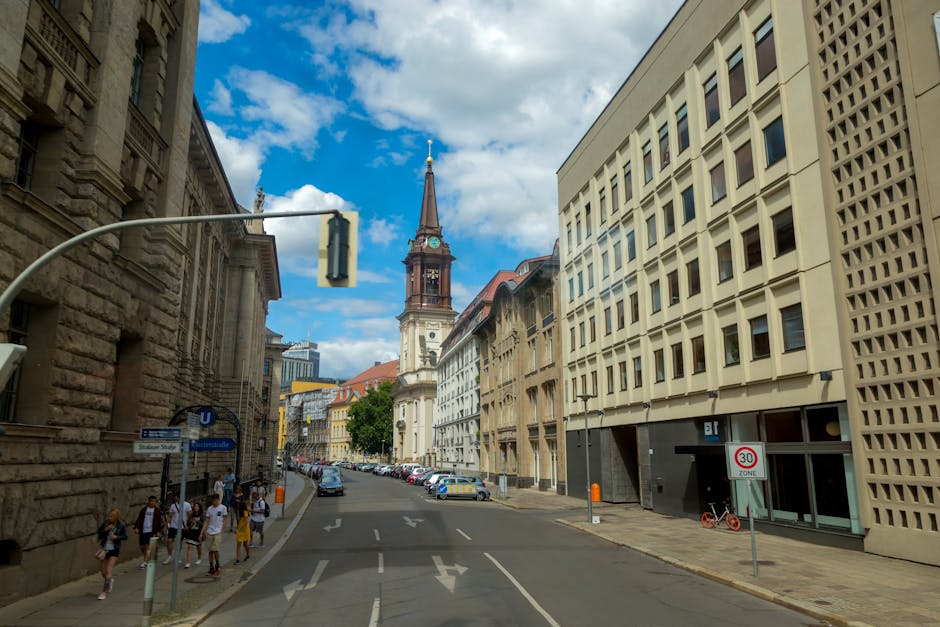
Best For: History, museums, official Berlin
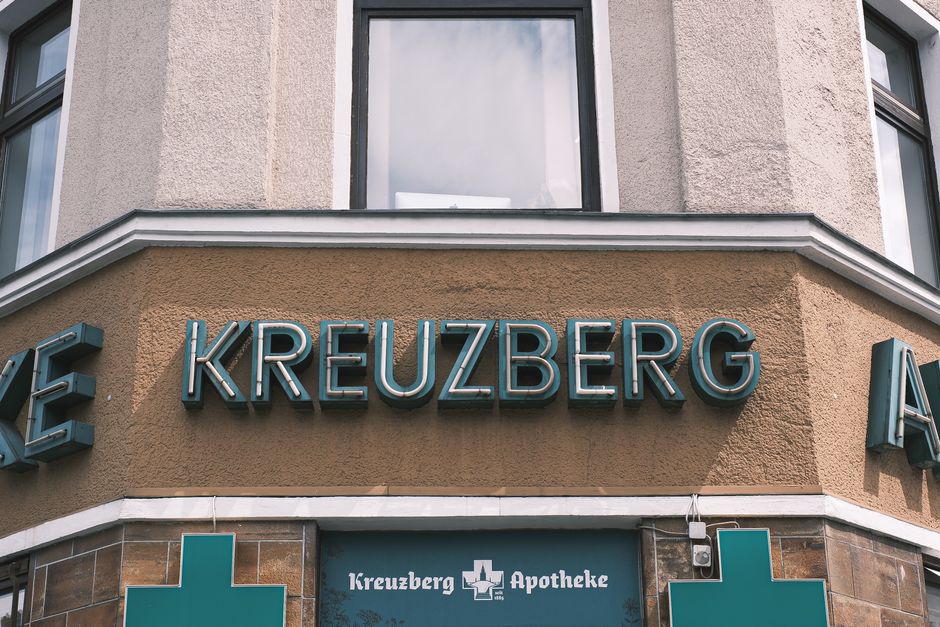
Best For: Street art, nightlife, vibe
🏛️ Mitte
🚇 Metro: Alexanderplatz (U2, U5, S-Bahn), Brandenburger Tor (U55), Friedrichstraße (U2, U6, S1-S7)
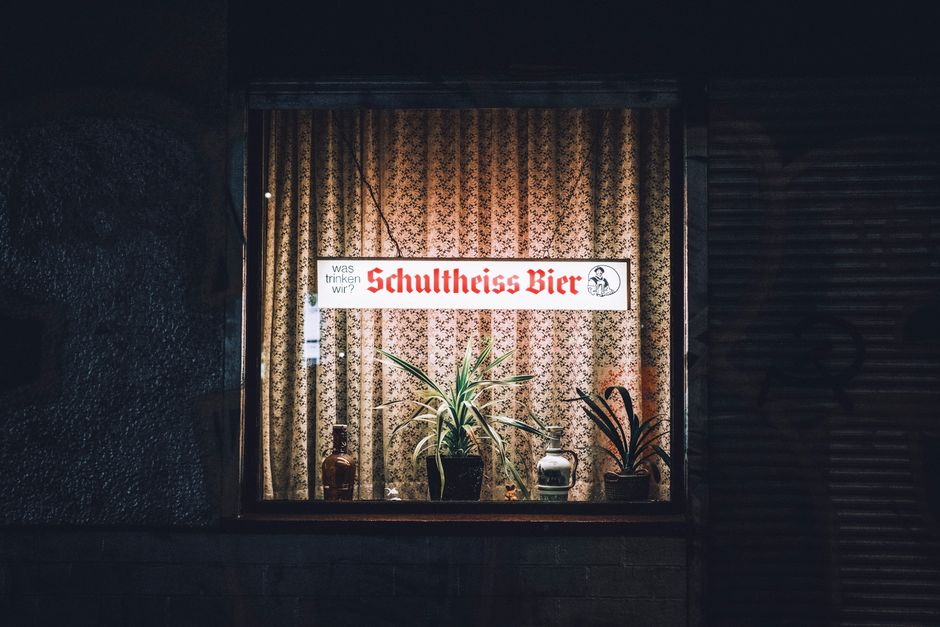
Berlin's Historic Heart
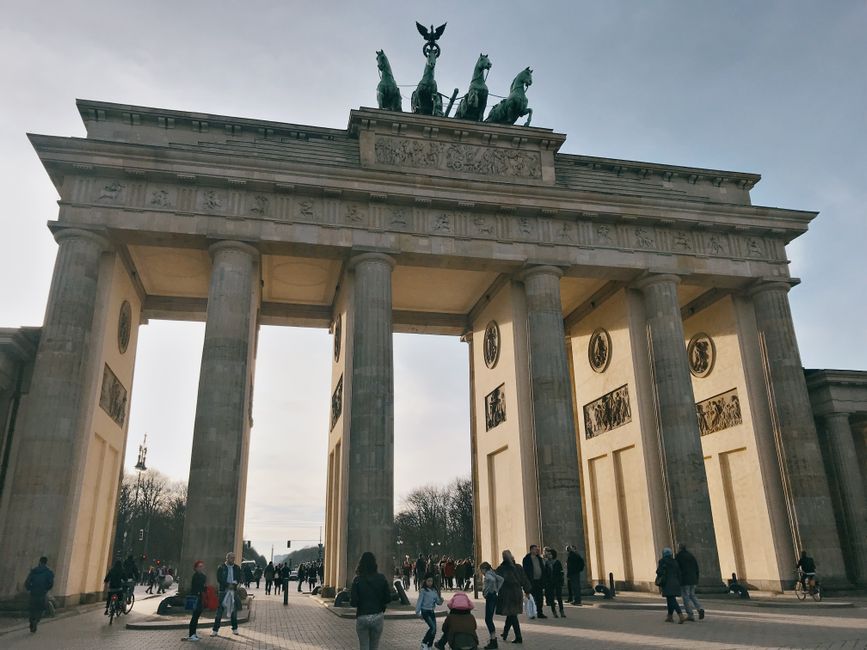
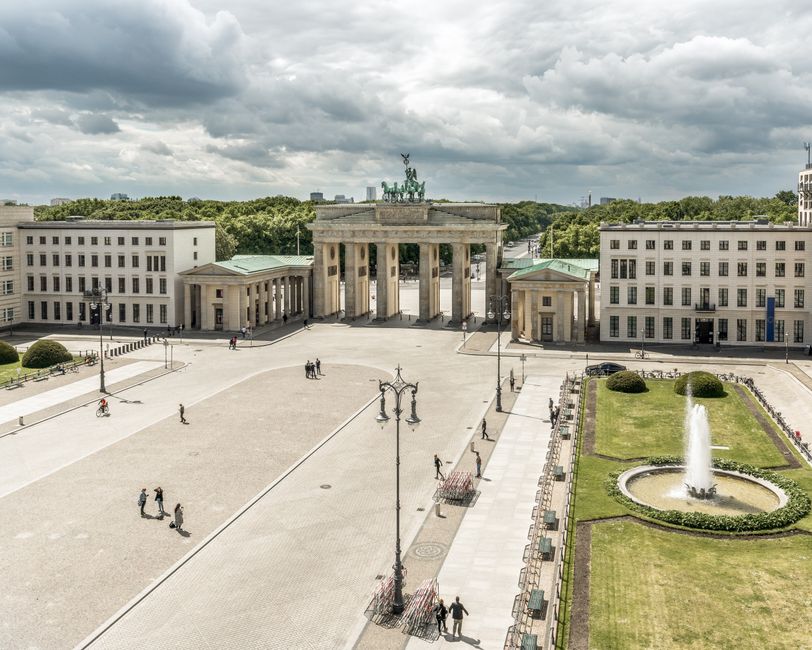
Mitte is where Berlin's official identity lives. The Reichstag (Parliament building with iconic glass dome), the Brandenburg Gate (symbol of reunification), Museum Island (UNESCO site with world-class museums), and haunting Holocaust Memorial. This is where WWII's rubble was cleared, where the Wall divided east from west, where Cold War tensions played out. Walking Mitte means confronting history: Gestapo headquarters site, Jewish deportation center remnants, Soviet monuments. It's heavy but essential.
The neighborhood is touristy—packed with tour groups, expensive restaurants, souvenir shops. But the historical sites are genuinely significant. The Holocaust Memorial isn't easy; it's meant to provoke thought and emotion. Museum Island combines Egyptian Museum, Pergamon Museum, and others—world-class collections.
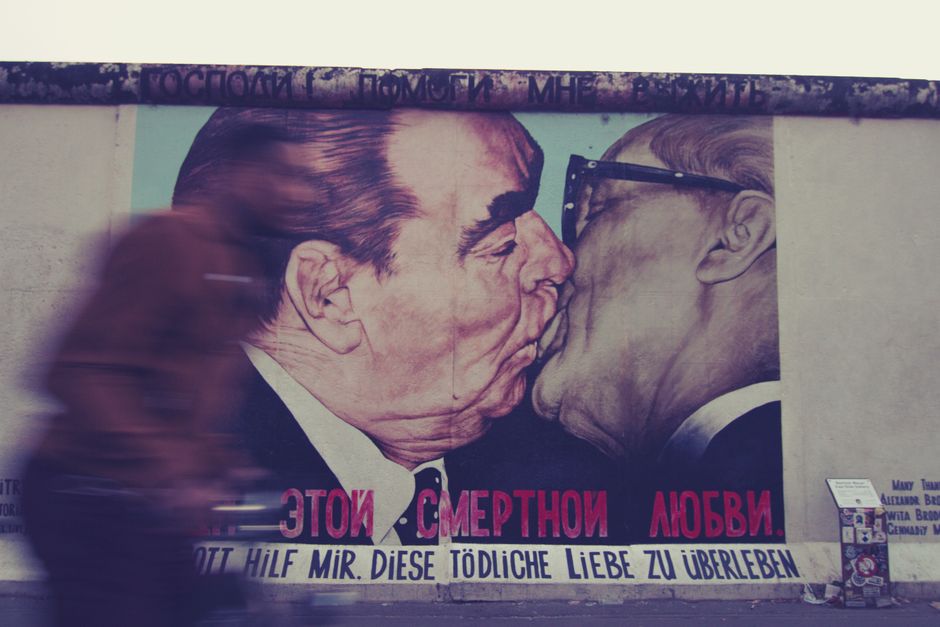
East Side Gallery (remaining Wall section, 1.3km long) is Mitte's eastern boundary. It's covered in murals—constantly changing as artists repaint. The Wall's fall was the moment that changed Berlin and the world. Standing against the remaining section, you grasp the reality of separation.
🏛️ Historic & Museums


🍽️ Restaurants & Cafes


🎨 Kreuzberg
🚇 Metro: Mehringdamm (U6, U7), Hallesches Tor (U1, U6), Görlitzer Straße (U1)
Bohemia & Alternative Culture
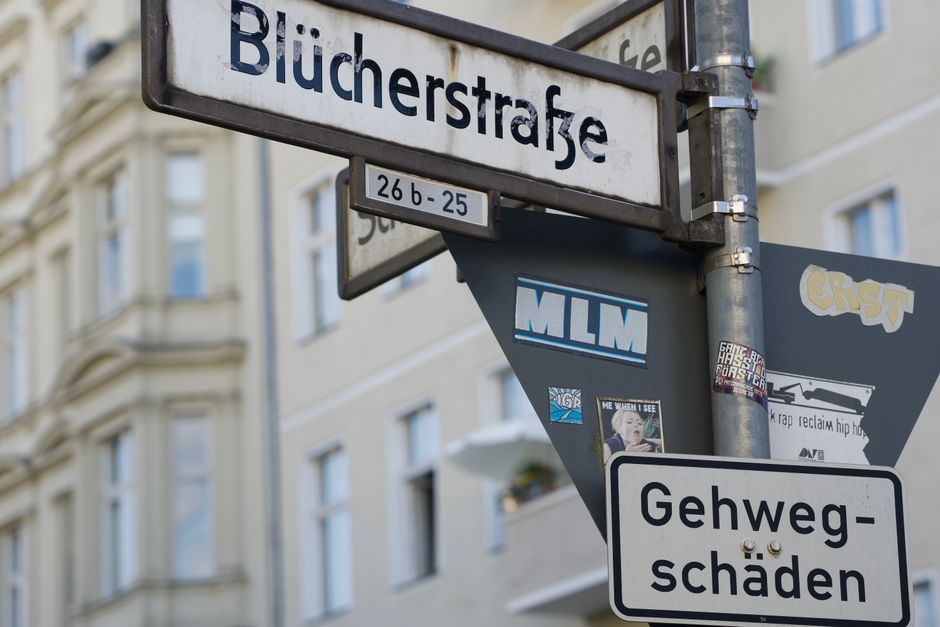
Kreuzberg is Berlin's bohemian heart—squats, street art, anarchist politics, immigrant communities, countercultural institutions. Historically impoverished, it became haven for artists, activists, outsiders. Today it's gentrifying but maintains alternative ethos. Street art is world-class—every wall is canvas. Murals change constantly; revisit favorite spots. Vibe is politically charged, creative, slightly chaotic.
RAW-Gelände is abandoned railroad repair yard turned cultural space—concerts, film, markets. It's anarchic and bohemian but increasingly commercialized. Neighborhood has 'autonomous spaces' (squatter-run cultural centers) simultaneously exclusive and inclusive—tourists welcome if respectful.
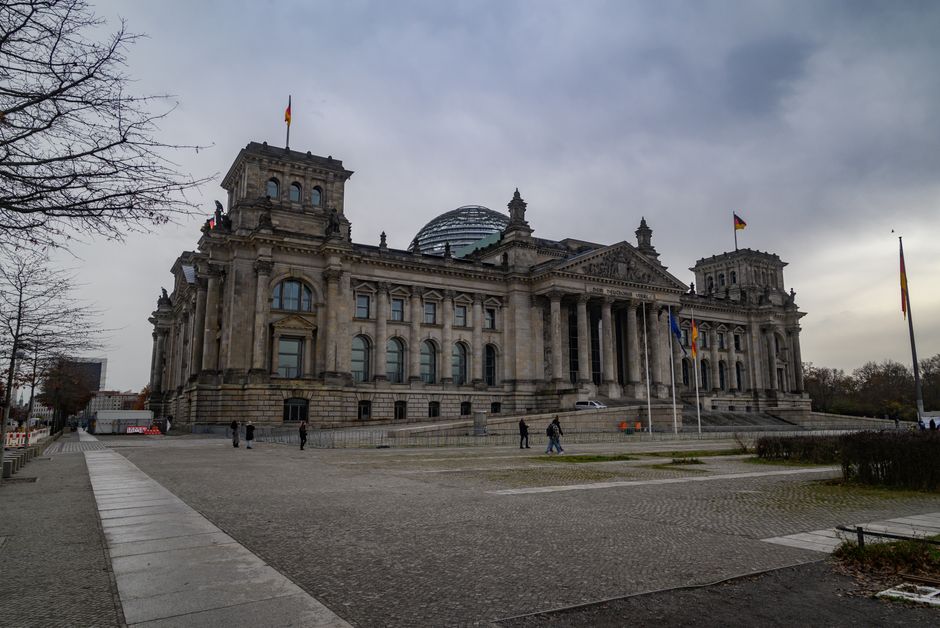
Food scene excellent: Turkish, Arab, Vietnamese immigrants created incredible cheap food. Döner kebab originated here. Markets colorful and international. Nightlife wild—clubs range from sweaty house to alternative queer bars.
🎨 Street Art & Culture

🍽️ Food & Cafes


🚇 Getting Around
🔒 Getting Around - Available in paid tiers
🏨 Where to Stay
🔒 Where to Stay - Available in paid tiers
🍜 Food Guide
🔒 Food Guide - Available in paid tiers
Must-Try Dishes
💡 Dining Tips
🎯 Book Activities in Berlin
Tours, attractions, experiences & more
Powered by Klook • Best price guaranteed
🏨 Book Your Stay in Berlin
Find the best hotels, hostels, and apartments
Best price across Booking, Expedia, VRBO & more • Powered by Stay22
📋 Practical Information
🔒 Practical Info - Available in paid tiers🌞 Sunny Travel Guides
The Confidence To Travel / Never Be Lost
© 2026 Sunny Travel Guides. All rights reserved.