Belgium
Chocolate, Beer & Medieval Splendor
Find restaurants, attractions, hotels, or anything travel-related
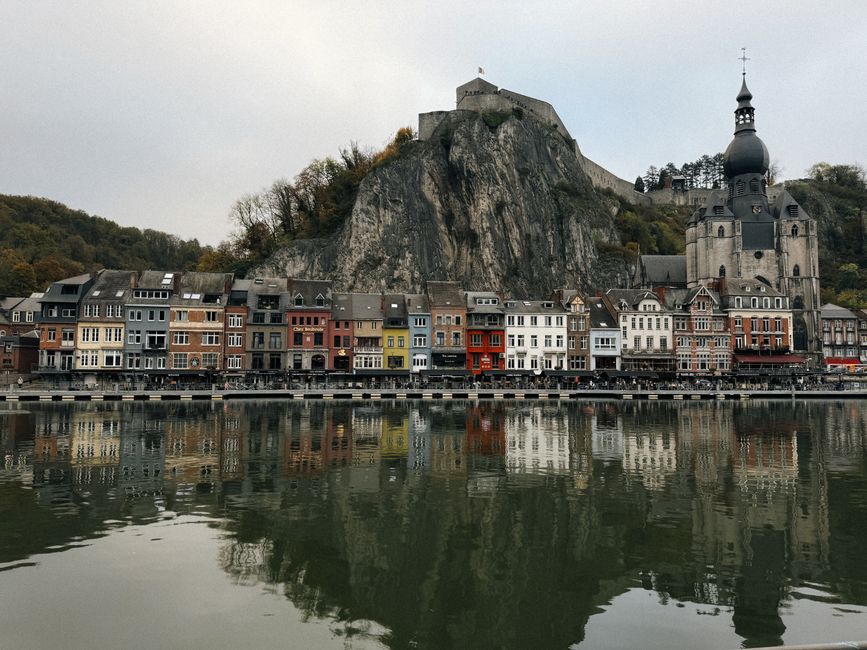
Belgium's landscape unfolds like a storybook of European civilization. In the north, Flanders presents a flat, canal-threaded terrain where windmills still turn and medieval belfries pierce the skyline. The central region hosts Brussels, a cosmopolitan capital where Art Nouveau masterpieces stand alongside Gothic grandeur and gleaming EU institutions. Travel south to Wallonia and the terrain rises into the forested hills of the Ardennes, dotted with castle ruins, river valleys, and villages seemingly frozen in time. The North Sea coast offers wide sandy beaches and Belle Époque resort towns.
Belgian culture is a fascinating blend of Latin and Germanic influences, expressed through three official languages and distinctly different regional identities. The Flemish north shares cultural ties with the Netherlands, while French-speaking Wallonia looks toward France. Yet a uniquely Belgian identity emerges in the national obsession with quality—whether in beer, chocolate, fries, or lace. Belgians invented the comic strip as an art form, pioneered Art Nouveau architecture, and maintain traditions of craftsmanship that span centuries.
Travelers in Belgium find themselves wandering through living history museums. In Bruges, you'll glide along canals that medieval merchants once used for trade. In Ghent, you'll discover a vibrant university city with an imposing medieval core. Brussels surprises with its quirky personality, from the famous Manneken Pis to surrealist art collections. Beyond the cities, activities range from cycling through flat Flemish countryside to hiking the Ardennes, from visiting WWI battlefields in Ypres to exploring caves near Dinant. Every meal becomes an event when Belgian waffles, mussels, and frites are involved.
Belgian identity centers on regional pride, culinary excellence, and understated sophistication. Whether Flemish or Walloon, Belgians share a commitment to quality craftsmanship, good living, and a certain irreverent humor that doesn't take itself too seriously.
Greetings typically involve handshakes in professional settings and cheek kisses (usually three, starting right) among acquaintances. Punctuality is valued. Dining is taken seriously—rushing through meals is frowned upon. Tipping is appreciated but not expected (5-10% for excellent service). Dress tends toward smart-casual elegance. Always greet shopkeepers when entering.
Belgium is part of the Schengen Area. US, UK, Canadian, and Australian citizens can visit visa-free for up to 90 days within any 180-day period. Passport must be valid for at least 3 months beyond planned departure. No registration required for short stays.
Belgium is moderately expensive, similar to France or Germany. Accommodation and dining costs are significant, but quality is excellent. Budget travelers can save by eating street food (frites, waffles), staying in hostels, and using rail passes. Beer is surprisingly affordable at local cafés.
April-June, September-October
Belgium's bilingual capital is a city of contrasts—medieval grandeur meets EU modernity, surrealist art mingles with comic strip murals, and world-class museums neighbor quirky neighborhoods. The Grand Place alone justifies a visit, but Brussels rewards those who explore its diverse quartiers.
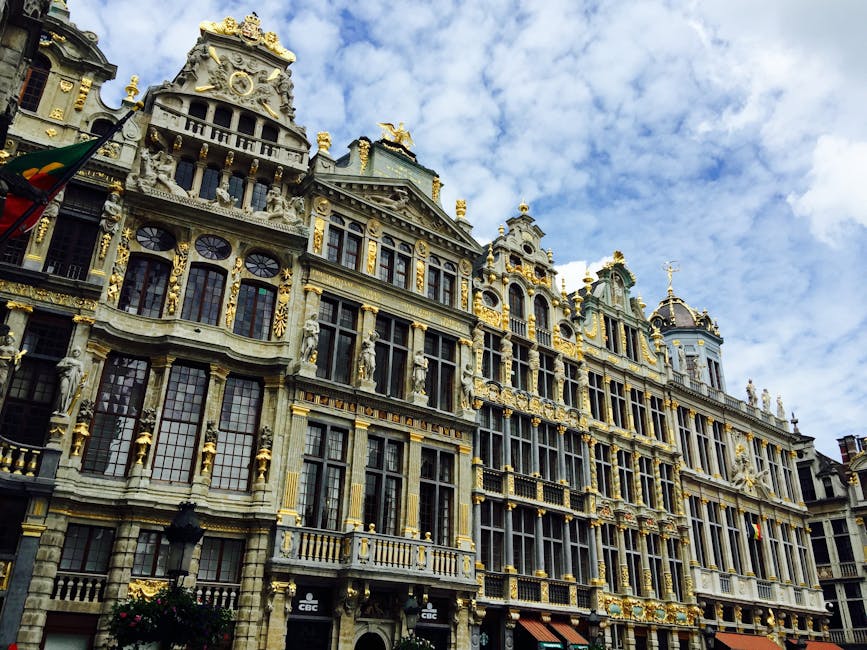
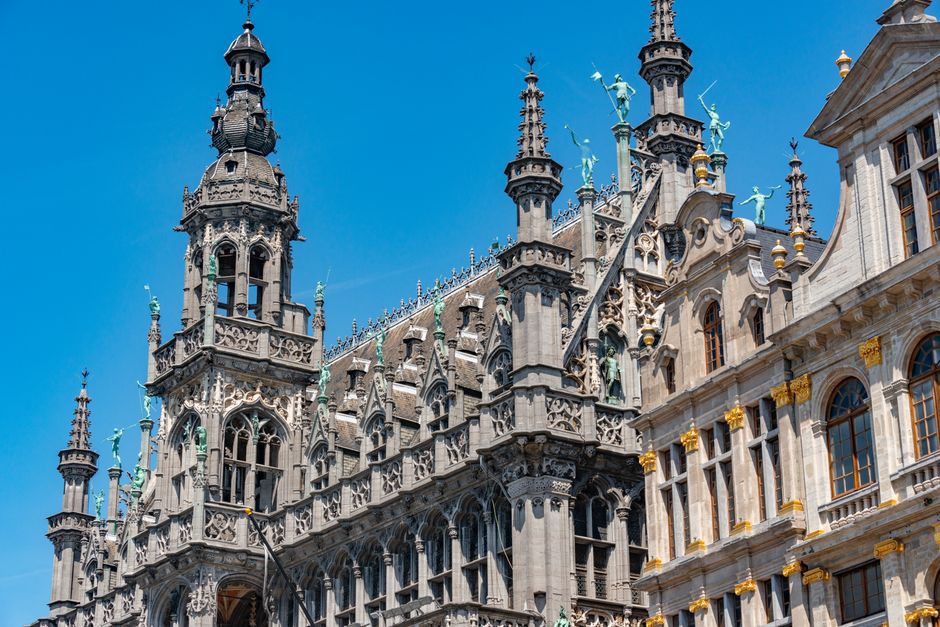
Victor Hugo called it the most beautiful square in the world. This UNESCO-listed marvel features ornate guild houses, the Gothic Town Hall, and Baroque facades. Magical when illuminated at night or during the biennial Flower Carpet.
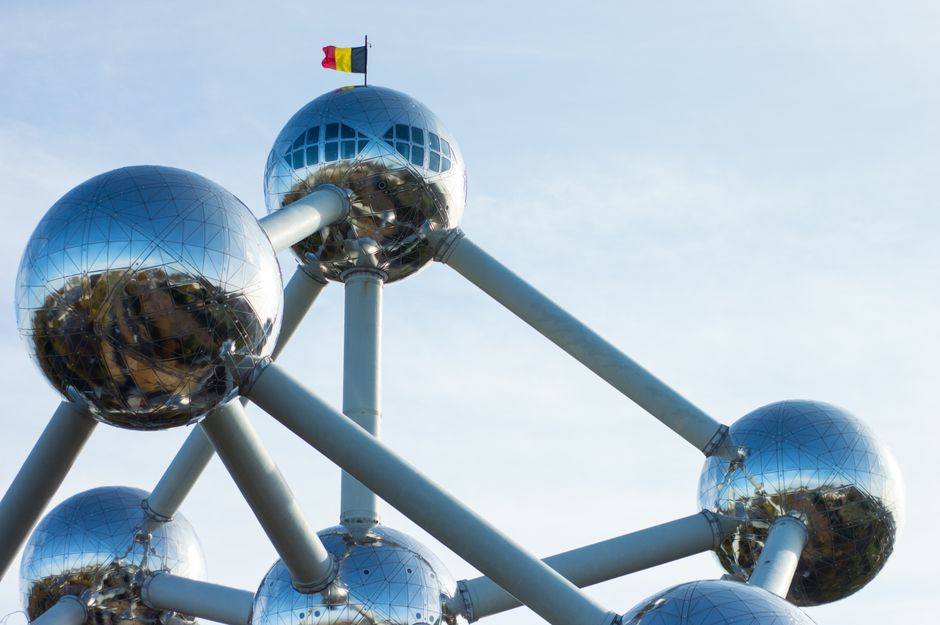
This iconic 102-meter structure representing an iron crystal was built for the 1958 World's Fair. Take the elevator to the top sphere for panoramic views, explore exhibitions in the interconnecting tubes.
🔓 1 more places in Premium
The world's largest collection of René Magritte's works, housed in a beautiful neoclassical building. Over 200 works trace the surrealist master's career through paintings, sculptures, and films.

Six museums in one complex showcasing Belgian art from Flemish Primitives to modern masters. The Old Masters collection includes Bruegel, Rubens, and van Dyck. Don't miss the Fin-de-Siècle Museum.
🔓 1 more places in Premium
Get all 5 cities with interactive neighborhood guides, insider tips, and full practical information
Upgrade Now →Dutch-speaking northern region with flat landscapes, historic art cities, and cycling culture. Home to Bruges, Ghent, and Antwerp.
View on MapBilingual capital region hosting EU institutions alongside medieval Grand Place and Art Nouveau treasures.
View on MapFrench-speaking south featuring the forested Ardennes hills, river valleys, cave systems, and castle-dotted countryside.
View on Map67km of sandy North Sea beaches lined with Belle Époque resort towns like Ostend and De Haan.
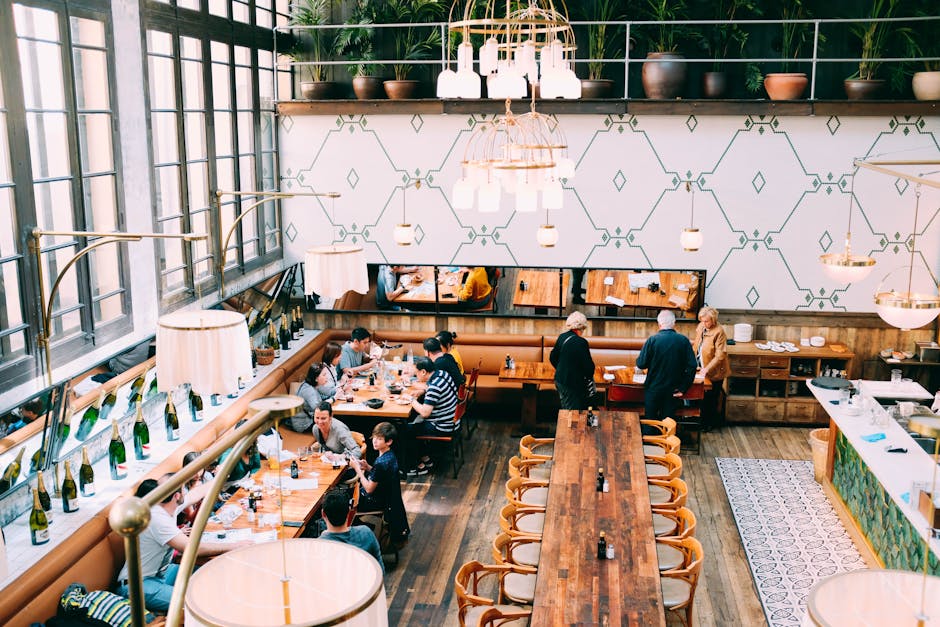
View on MapBelgian cuisine reflects the country's position between French refinement and Germanic heartiness. Meals are taken seriously—lunch breaks are sacred, and dinner is a leisurely affair. Beer accompanies food as naturally as wine does in France. Street food culture thrives with frituren (fry shops) on every corner. Chocolate shops are treated like jewelry stores. Each region has specialties, and quality ingredients are paramount.
🔒 Transportation - Available in paid tiers
Everything you need for Belgium - tours, transfers, SIM cards & more
Find the best hotels, hostels, and apartments
Best price across Booking, Expedia, VRBO & more • Powered by Stay22
Health: 🔒 Health - Available in paid tiers
Safety: 🔒 Safety - Available in paid tiers
🔒 Internet - Available in paid tiers
🔒 Money - Available in paid tiers