📖 Beijing Free Sample Guide - FREE
🌞 Sunny Travel Guides
The Confidence To Travel / Never Be Lost
All Guides Journal Free Travel Tips →
Å¾
✉
Beijing Map Overview

🏯 Beijing

Where Dynasties Meet the Future

🇨🇳 Welcome to Beijing

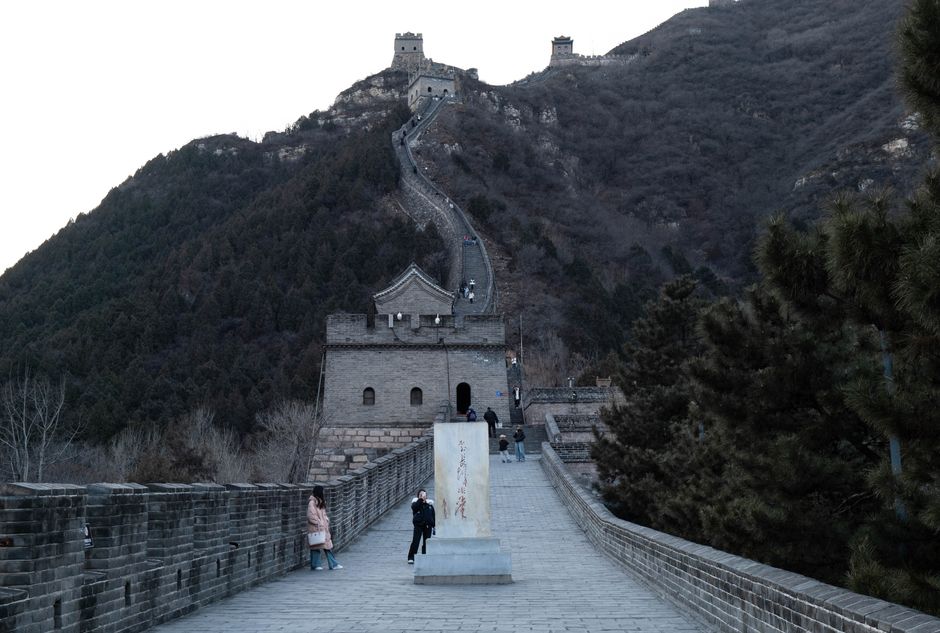
Beijing is power made visible. For 800 years, emperors ruled China from the Forbidden City at the geographic and spiritual center of the Middle Kingdom, surrounded by temples, parks, and walls within walls. The scale is imperial: Tiananmen Square is the world's largest public plaza, the Forbidden City contains 9,999 rooms, and the Great Wall stretches to the horizon. Modern Beijing matches this ambition—gleaming skyscrapers, the Bird's Nest stadium, and a subway system carrying 10 million daily riders through a metropolis of 22 million. The city embodies China's contradictions: ancient hutongs (alleyways) survive alongside demolition zones, state control coexists with entrepreneurial chaos, and imperial traditions persist in a Communist capital. Beijing isn't pretty like Shanghai or charming like Chengdu—it's dry, dusty, prone to pollution, and spread across distances that defeat walking. But no city on Earth concentrates more Chinese history and political weight in one place. The Forbidden City, Temple of Heaven, Summer Palace, and Great Wall form a bucket-list unlike any other. Come prepared for crowds, complexity, and civilization at overwhelming scale.

Population
22 million
Area
16,410 km²
Timezone
CST (UTC+8)
Language
Mandarin Chinese
Currency
Chinese Yuan (¥/CNY)
Best Time
September-October (autumn), April-May (spring)
Airport
PEK (Capital), PKX (Daxing)

Understanding Beijing

Beijing's layout reveals its purpose. The emperor sat at the center, facing south, with the Forbidden City arranged on a precise north-south axis. Tiananmen Gate ('Gate of Heavenly Peace') separated the imperial compound from the commoners. Ring roads now circle outward from this center, each marking the city's expansion. The Communist Party inherited this geography of power—Zhongnanhai compound, where leaders live, sits beside the Forbidden City; Tiananmen Square, where Mao declared the People's Republic in 1949, remains the symbolic heart of modern China. Understanding Beijing requires accepting layers: Ming dynasty walls beneath Communist monuments beneath glass towers. The city has been rebuilt multiple times—most recently erasing hutong neighborhoods for Olympic development. What survives is precious; what's new is ambitious. Beijingers themselves are proud, direct, and sardonic—northern Chinese culture values bluntness over southern subtlety. Learn a few Mandarin phrases; English is limited outside tourist sites. The Great Firewall blocks Google, Facebook, Instagram, and many Western sites—download a VPN before arrival.

⚡ Essential Beijing Tips

• Download a VPN before arrival—Google, Facebook, Instagram, WhatsApp, and many Western sites are blocked in China. Test it works before you land. ExpressVPN and NordVPN are common choices.

• Get a Beijing subway card (Yikatong) or use Alipay/WeChat Pay for all transit. Cash and foreign cards are increasingly difficult to use in China. Setting up Alipay as a tourist is now possible and recommended.

• Air quality varies dramatically—check AQI (Air Quality Index) daily. Pollution peaks in winter; autumn (September-October) typically has the clearest skies. N95 masks help on bad days.

🗺️ Beijing Areas

Beijing sprawls across vast distances organized by ring roads. The historic center (inside the 2nd Ring Road) contains the Forbidden City, Tiananmen, and surviving hutong neighborhoods. The 798 Art District lies to the northeast; the Summer Palace to the northwest. The Great Wall sections are 60-100km outside the city. Most tourist sites cluster in Dongcheng (east city) and Xicheng (west city) districts.
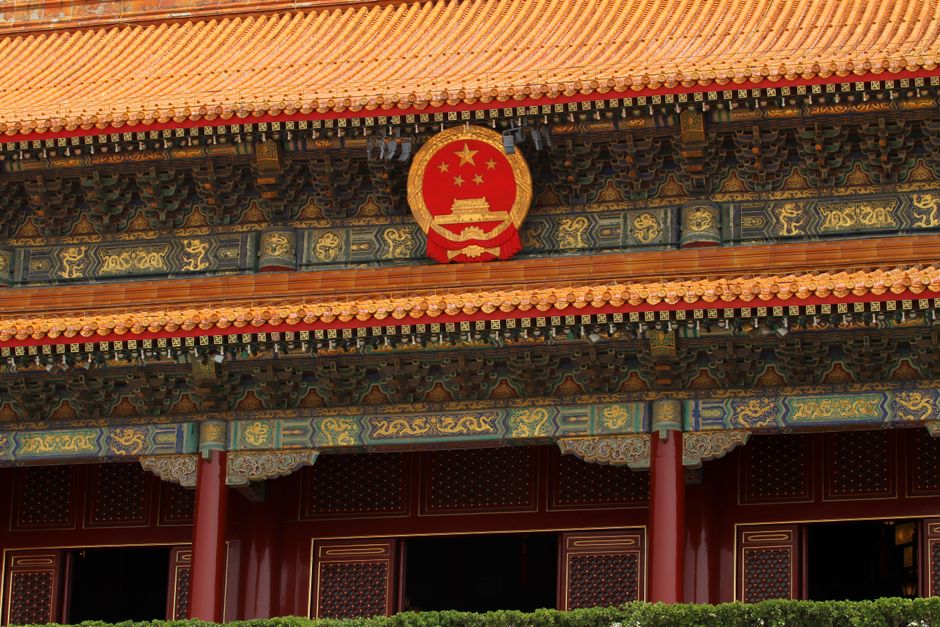
Forbidden City golden roofs and palace
🏯 Forbidden City & Tiananmen
Imperial, monumental, historic, crowded
Must-See: Forbidden City, Tiananmen Square, Jingshan Park
Best For: Imperial history, must-see landmarks, first-time visitors
🚇 Tiananmen East/West (Line 1)
Temple of Heaven circular building
Photo: YiTian / Pexels
🛕 Temple of Heaven Area
Spiritual, parkland, local life, morning tai chi
Must-See: Temple of Heaven, Tiantan Park, local morning exercises
Best For: Temple architecture, local morning culture, peaceful parks
🚇 Tiantandongmen (Line 5)

🏯 Forbidden City & Tiananmen

🚇 Metro: Tiananmen East (Line 1), Tiananmen West (Line 1)

Forbidden City & Tiananmen
Photo: Ramaz Bluashvili / Pexels

Center of the Empire

The Forbidden City (Zijin Cheng) was home to 24 emperors of the Ming and Qing dynasties from 1420 to 1912—nearly 500 years of Chinese imperial power concentrated behind walls the common people could never enter. The complex covers 180 acres with 980 buildings; the architecture, proportions, and symbolism were designed to express cosmic order with the emperor as Son of Heaven at the center. The color yellow (imperial), the number nine (eternity), and the north-south axis all reinforced this message.

Tiananmen Square was created after the Communist revolution by demolishing neighborhoods south of the gate. Mao declared the People's Republic here in 1949. The square now holds his mausoleum, the Great Hall of the People (parliament), and the National Museum. The 1989 protests and their suppression occurred here—a subject that remains politically sensitive and undiscussable within China. Security checks and surveillance are intensive; ID is required for entry.

🏛️ Must-See Attractions

Forbidden City (Palace Museum)
Photo: Mic Oller / Pexels
Forbidden City (Palace Museum)
Must-See
💰 ¥60 (Apr-Oct), ¥40 (Nov-Mar) 🚇 Tiananmen East (Line 1) 🚶 10 min from metro through Tiananmen Gate
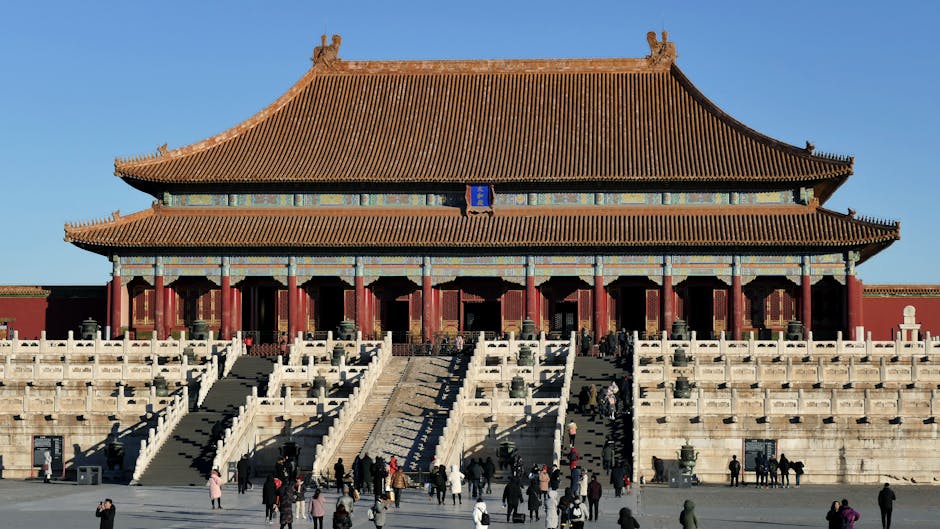
The world's largest palace complex and China's most important historical site. Enter through the Meridian Gate, proceed along the central axis through the three Great Halls to the inner court where emperors lived. The scale is overwhelming; allow 3-4 hours minimum. Book tickets online at palacemuseum.cn days in advance—20,000 daily tickets sell out. Passport required. Audio guide highly recommended. The northern gardens and Clock Museum require separate tickets but are worth it.
Highlights: Hall of Supreme Harmony, imperial treasures, 9,999 rooms, Clock Museum
📍 View on Map
Tiananmen Square
Photo: Serena Xu / Pexels
Tiananmen Square
Must-See
💰 FREE (Mao Mausoleum FREE, requires ID) 🚇 Tiananmen East/West (Line 1) 🚶 Direct from metro
The world's largest public square, capable of holding 1 million people, is symbolically the heart of modern China. The square is dominated by Mao's portrait on Tiananmen Gate, his mausoleum, the Monument to the People's Heroes, and the Great Hall of the People. Security screening is required to enter; ID is mandatory. The flag-raising ceremony at sunrise draws crowds daily. Photography is allowed but political expression is not.
Highlights: Mao's portrait, flag ceremony, Great Hall, symbolic center of China
📍 View on Map
Jingshan Park
Photo: zhang kaiyv / Pexels
Jingshan Park
Best Views
💰 ¥2 🚇 Tiananmen East (Line 1) + walk through Forbidden City 🚶 Exit north gate of Forbidden City
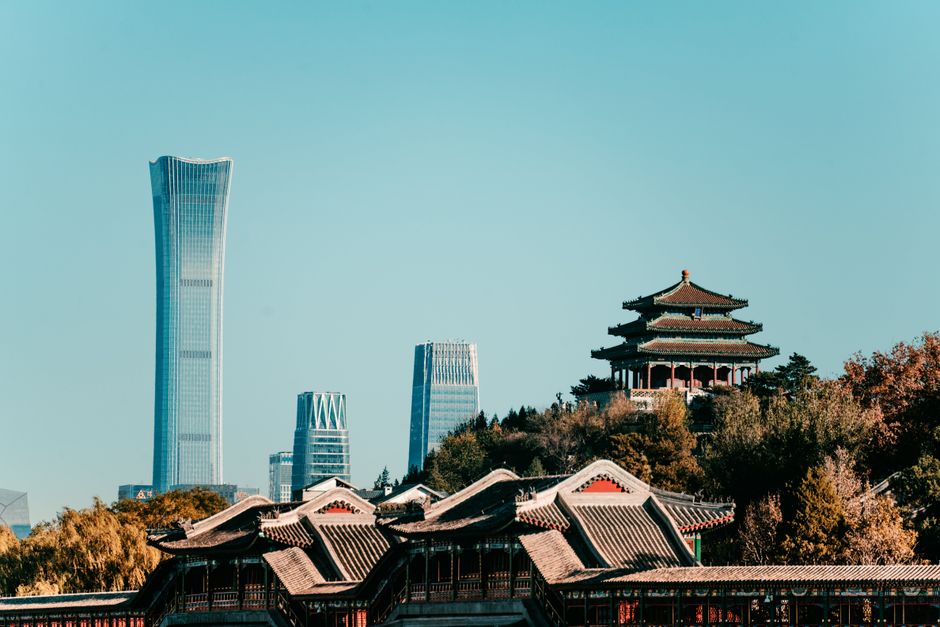
The hill directly north of the Forbidden City, built from earth excavated for the palace moat. The summit offers the definitive view over the golden roofs of the Forbidden City—the photo that defines Beijing. Come in late afternoon for best light on the Forbidden City. The park also contains the tree (replacement) where the last Ming emperor hanged himself as rebels breached the walls in 1644.
Highlights: Forbidden City views, sunset photography, imperial history
📍 View on Map

🍽️ Restaurants

Quanjude Roast Duck (Qianmen)
Photo: Dennise Anorico / Pexels
Quanjude Roast Duck (Qianmen)
Beijing Institution
💰 ¥200-300 per person 🚇 Qianmen (Line 2) 🚶 5 min from metro
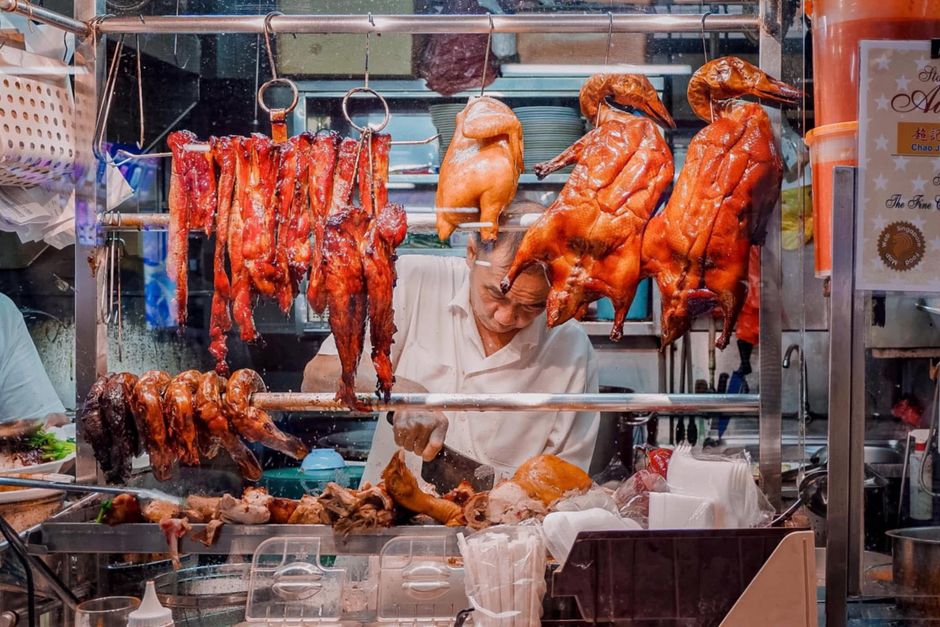
The most famous Peking duck restaurant in China, serving its signature dish since 1864. The original Qianmen location is a multi-story palace of duck with theatrical carving tableside. Yes, it's touristy, but the duck is legitimately excellent—crispy skin, tender meat, pancakes, and all the trimmings. Book ahead for dinner. The numbered duck certificate is a fun souvenir.
Highlights: Original location, tableside carving, numbered duck certificate, 160 years history
📍 View on Map
Siji Minfu
Photo: Zbigniew Bielecki / Pexels
Siji Minfu
Local Favorite
💰 ¥120-180 per person 🚇 Dengshikou (Line 5) 🚶 3 min from metro
A locals' favorite for Peking duck that many argue rivals Quanjude at half the price. The duck is roasted over fruitwood, carved tableside, and served with thin pancakes. The menu also features excellent Beijing home cooking. Multiple locations; the one near Dengshikou is convenient to the Forbidden City. Reservations recommended.
Highlights: Fruitwood roasted duck, Beijing home cooking, local crowds, better value
📍 View on Map
Zuo Lin You She
Photo: Li Yuan / Pexels
Zuo Lin You She
Hidden Gem
💰 ¥60-100 per person 🚇 Nanluoguxiang (Line 6/8) 🚶 10 min walk into hutongs
A charming hutong restaurant serving traditional Beijing dishes in a converted courtyard home. The ambiance is cozy and authentic—low ceilings, traditional decor, neighborhood setting. Specialties include Beijing-style fried sauce noodles (zhajiangmian), dumplings, and hearty northern fare. No English menu but pictures help.
Highlights: Courtyard setting, Beijing home cooking, hutong atmosphere, authentic
📍 View on Map

🧱 Great Wall

🚇 No direct metro—requires bus, tour, or private car (60-100km from Beijing)

Great Wall
Photo: Robert Stokoe / Pexels

The World's Greatest Wall

The Great Wall stretches over 20,000 kilometers across northern China, built and rebuilt over 2,000 years by multiple dynasties to defend against nomadic invasions. The sections near Beijing date primarily to the Ming dynasty (1368-1644) and represent the wall at its most sophisticated: watchtowers, garrison stations, and stone construction designed to repel Mongol cavalry. The wall ultimately failed—the Manchus who founded the Qing dynasty simply bribed a general to open a gate.

Multiple sections are accessible from Beijing, each with different character. Badaling is most famous, most restored, and most crowded—a tourist circus but genuinely impressive. Mutianyu offers similar restoration with fewer crowds and a cable car. Jinshanling and Simatai are partially unrestored, more challenging, and far more atmospheric. The wild wall sections (unrestored) appeal to hikers but require guides and fitness. Choose your section based on crowd tolerance and physical ability.

🧱 Wall Sections
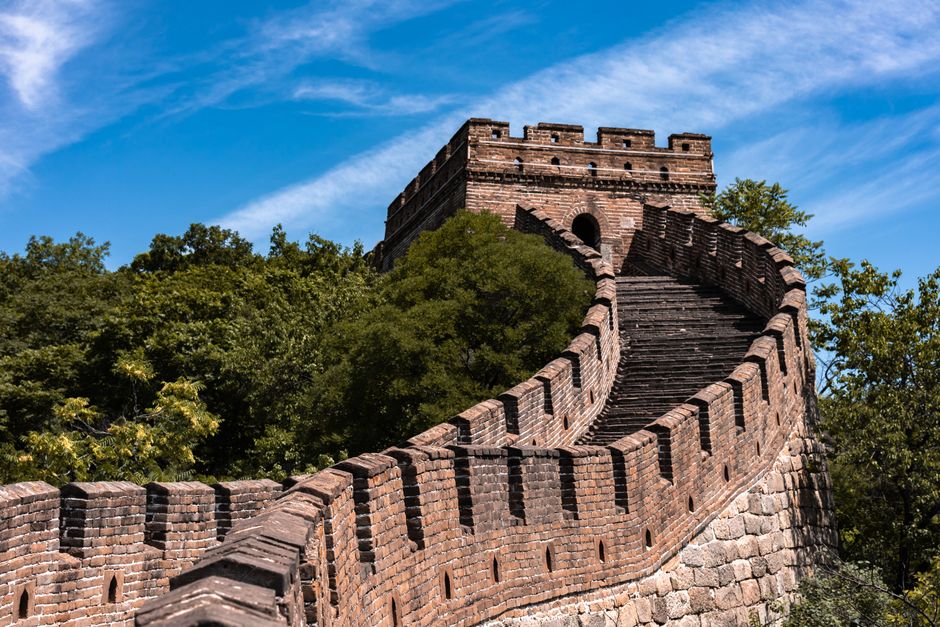
Mutianyu Great Wall
Photo: Mehmet Yasin Kabaklı / Pexels
Mutianyu Great Wall
Must-See
💰 ¥40 entry + ¥120 cable car round trip 🚇 N/A 🚶 70km from Beijing (1.5hr by car)
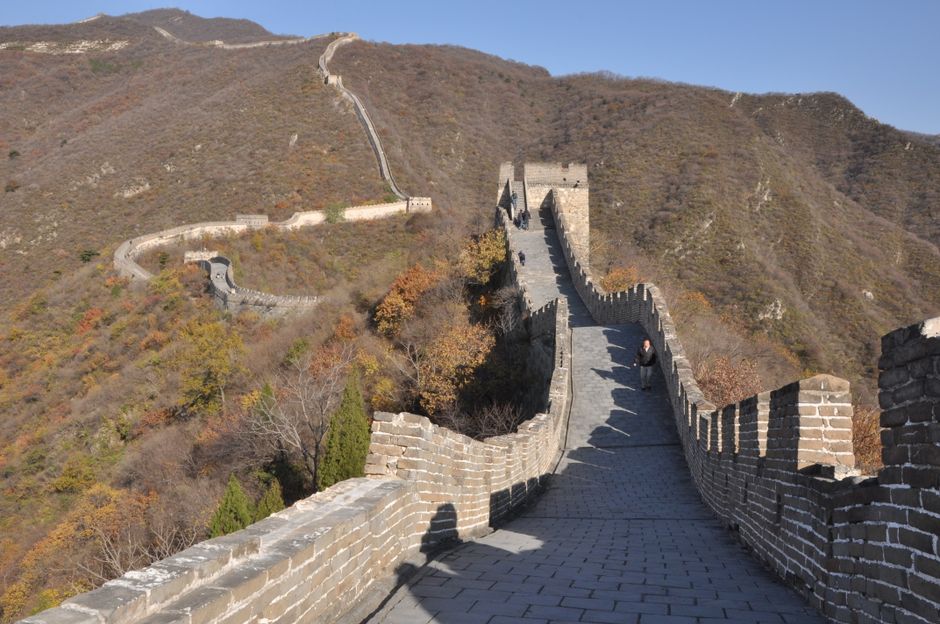
The best balance of accessibility and authenticity. This Ming-era section offers 23 watchtowers along a well-restored stretch, with cable car up and toboggan run down (yes, really). Fewer crowds than Badaling, more facilities than wild sections. The wall climbs steeply through forested mountains; the views are spectacular. Allow 4-5 hours including transport. Avoid weekends and holidays.
Highlights: 23 watchtowers, cable car, toboggan, forest setting, moderate crowds
📍 View on Map
Jinshanling Great Wall
Photo: LUIZ ANCIÃES / Pexels
Jinshanling Great Wall
Hidden Gem
💰 ¥65 🚇 N/A 🚶 130km from Beijing (2.5hr by car)
The photographer's choice—partially restored with original features intact, dramatic watchtowers, and far fewer tourists. The hike from Jinshanling to Simatai (10km) is one of China's great walks, though Simatai now requires separate booking. Steeper and more challenging than Mutianyu; bring water and sun protection. The early morning light and mist are legendary. Allow a full day.
Highlights: Photography, partial restoration, Simatai hike, minimal crowds
📍 View on Map
Badaling Great Wall
Photo: Rain Lü / Pexels
Badaling Great Wall
Cultural Highlight
💰 ¥40 (Apr-Oct), ¥35 (Nov-Mar) 🚇 N/A (S2 train from Beijing North) 🚶 70km from Beijing (1.5hr by train/car)
The most famous, most restored, and most crowded section—visited by Nixon, the Queen, and approximately 10 million tourists annually. The wall here is wide, well-maintained, and wheelchair-accessible in sections. The experience is more theme park than wilderness, but the engineering and views are genuinely impressive. Come at opening (7:30am) or skip for less crowded alternatives.
Highlights: Most famous section, accessible, overwhelming crowds, restored perfection
📍 View on Map

🚐 Getting There

Private Car/Driver
Photo: JackerKun / Pexels
Private Car/Driver
Most Comfortable
💰 ¥800-1200/day 🚇 Hotel pickup 🚶 Door to door
The most comfortable option, especially for Jinshanling or Simatai. Hotels can arrange cars with English-speaking drivers. Typical cost is ¥800-1200 for a full day including waiting time. Allows flexibility to stop for photos and avoid crowds by timing. Worth the splurge if splitting costs.
Highlights: Flexible timing, door-to-door, English driver available, avoid crowds
📍 View on Map
Mutianyu Bus 916
Photo: River He / Pexels
Mutianyu Bus 916
Budget Pick
💰 ¥15-30 each way 🚇 Dongzhimen (Line 2/13) 🚶 Bus station at Dongzhimen Transport Hub
Budget option to Mutianyu: take Bus 916 Express from Dongzhimen to Huairou, then taxi or bus H23 to Mutianyu. Total journey 2-3 hours each way. Cheaper than tours but requires navigation. The 916 is comfortable with A/C and frequent departures.
Highlights: Cheapest option, adventure factor, local experience
📍 View on Map
Small Group Tours
Photo: zhang kaiyv / Pexels
Small Group Tours
Good Value
💰 ¥300-600/person 🚇 Hotel pickup 🚶 Door to door
Many hostels and tour operators run small-group tours (8-15 people) to various wall sections. Better than big bus tours—more flexibility, fewer crowds at chosen sections. Typically include pickup, transport, English guide, and sometimes lunch. Jinshanling and unrestored sections often only accessible this way.
Highlights: Hassle-free, English guide, access to wild sections, small groups
📍 View on Map

🚇 Getting Around

🔒 Getting Around - Available in paid tiers

🏨 Where to Stay

🔒 Where to Stay - Available in paid tiers

🍜 Food Guide

🔒 Food Guide - Available in paid tiers

Must-Try Dishes

💡 Dining Tips

🏨 Book Your Stay in Beijing

Find the best hotels, hostels, and apartments

🏨
Hotels
All star ratings
🛌️
Hostels
Budget-friendly
🏠
Apartments
Home comforts
Resorts
Luxury stays
🔍 Search All Stays in Beijing

Best price across Booking, Expedia, VRBO & more • Powered by Stay22

📋 Practical Information

🔒 Practical Info - Available in paid tiers

🌞 Sunny Travel Guides

The Confidence To Travel / Never Be Lost

© 2026 Sunny Travel Guides. All rights reserved.

🔍§ DEV MODE ACTIVE - Click venue photos to mark for replacement, click descriptions to edit

Â¸ Photo Replacement

Queue empty
0 photos marked on this page

Â Content Editor

0 descriptions edited

Ready to explore more?

Choose your guide level and get instant access

NEXT →