Bali
Island of the Gods
Find restaurants, attractions, hotels, or anything travel-related
Bali is a small island (5,780 sq km) in the Indonesian archipelago—just 140km wide. Volcanic mountains dominate the interior; rice terraces cascade down their slopes. The southern beaches draw the crowds; the central highlands offer cool relief. The climate is tropical—wet season (November-March) brings afternoon thunderstorms; dry season (April-October) offers reliable sunshine.
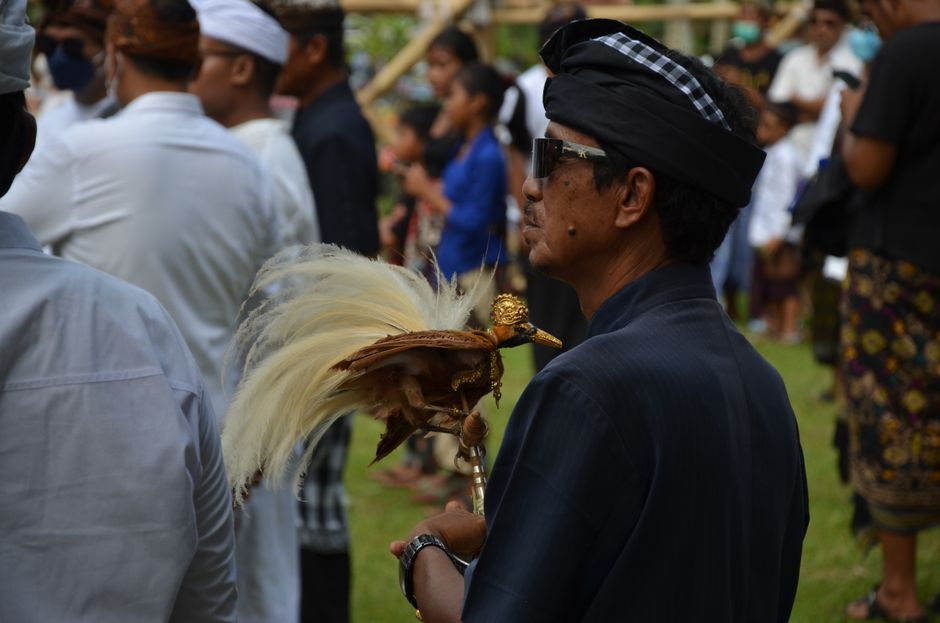
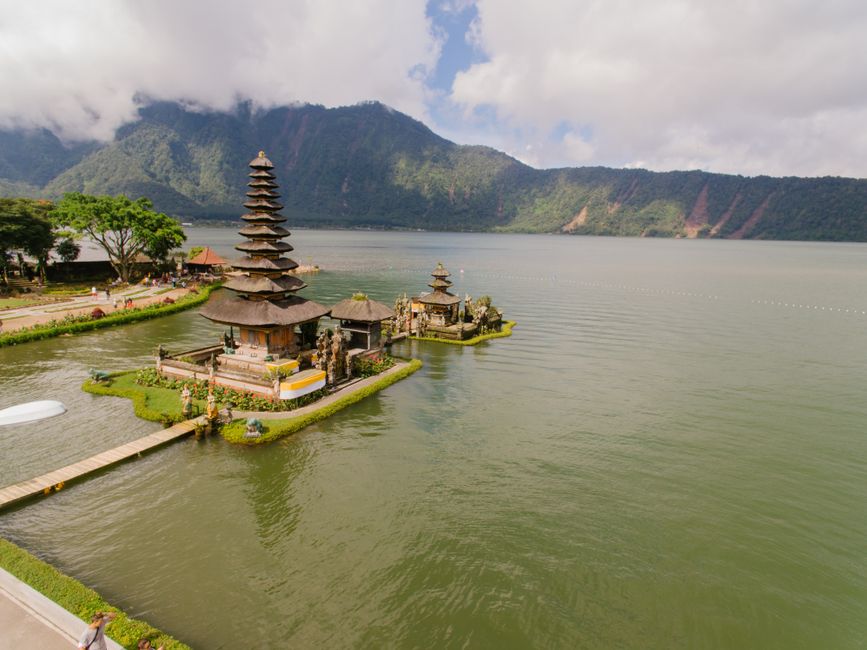
Balinese culture is inseparable from Balinese Hinduism—a unique blend of animism, ancestor worship, and Hindu tradition found nowhere else. The island has thousands of temples; every village has at least three. Daily offerings (canang sari) appear on sidewalks, dashboards, and doorsteps. Ceremonies happen constantly; cremations are celebrations. Understanding Bali requires understanding this spiritual foundation.
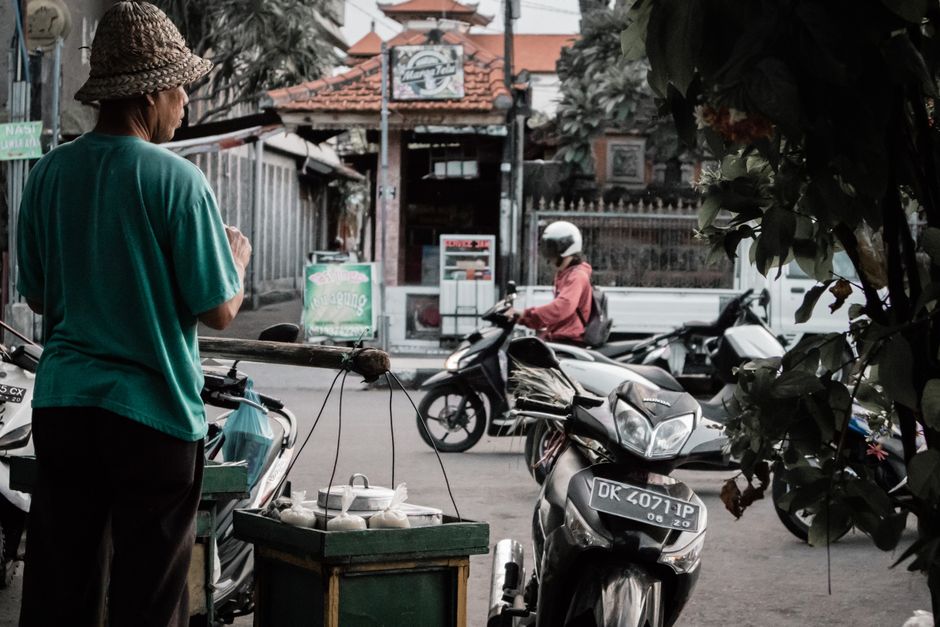
Tourism transformed Bali since the 1970s—surfers discovered the waves; backpackers discovered the prices; Instagram discovered the scenery. The development is real: traffic clogs southern roads; Seminyak feels more Australian than Indonesian. Yet Balinese culture persists. Temple ceremonies continue; rice farming remains; artisan traditions thrive. The Bali beyond the beach bars rewards those who seek it.
Balinese identity draws from Hindu-Buddhist religion, artistic tradition, and community bonds. The concept of sekala (visible world) and niskala (invisible world) shapes understanding—both are equally real. Ceremonies maintain balance between worlds; neglect brings misfortune. This isn't superstition but lived philosophy. The temple festivals, dance performances, and offerings are essential maintenance of cosmic order.
Dress modestly at temples (sarong and sash required—often available for rent). Never point with feet or touch heads. Accept offerings with right hand. Don't step on canang sari (offerings) on the ground. Remove shoes when entering homes and some businesses. Bargaining is expected at markets but not in fixed-price shops. Tipping is appreciated but not obligatory.
Many nationalities receive visa-free entry for 30 days or can purchase Visa on Arrival (VOA) for 30 days (extendable once for 30 more days). VOA costs Rp 500,000 ($31). US, UK, EU, Australian, and most Western citizens qualify. Check current requirements before travel as policies change.
Bali offers exceptional value. Budget travelers can live well on $30-50/day; mid-range visitors get luxury at affordable prices; actual luxury is comparatively cheap. Food ranges from $2 local warungs to $50 fine dining. Accommodation spans $10 hostels to $1,000 villas. The weak rupiah favors foreign currencies.
April-October (dry season)
The cultural heart of Bali—rice terraces, temples, yoga studios, and art galleries in the island's interior. Ubud draws spiritual seekers, art lovers, and those escaping beach crowds. The Monkey Forest, palace, and surrounding villages offer days of exploration. The development is real but Balinese culture persists beneath the smoothie bowls.

Ancient temple complex in jungle inhabited by macaques—three temples, moss-covered statues, and 700+ monkeys. The atmosphere is magical; the monkeys are aggressive about food. Secure belongings; don't bring food; follow rules. Essential Ubud visit.

Holy water temple with purification pools—Balinese come to cleanse spiritually in the spring-fed pools. Tourists can participate with proper respect and attire. The ritual involves specific fountain sequences. Profound when approached seriously.
🔓 2 more places in Premium

The famous Instagram terraces—dramatic carved hillsides with palm trees. The swings and photo points have multiplied; the tourism is intense. Early morning or late afternoon avoids crowds and harsh light. Beautiful but commercialized.

UNESCO World Heritage terraces—larger, less crowded, and more authentic than Tegallalang. The drive is longer but the experience is better. Walking trails wind through the paddies. The scale is impressive; the farming is real.
🔓 1 more places in Premium
Get all 6 cities with interactive neighborhood guides, insider tips, and full practical information
Upgrade Now →The cultural heart—rice terraces, temples, yoga, and art. Cooler temperatures; spiritual focus; the 'real' Bali that visitors seek.
View on MapKuta, Seminyak, and Legian—the beach and party zone. Tourist infrastructure; sunset cocktails; shopping and nightlife.
View on MapDigital nomad and surf hub—rapidly developing rice fields. Co-working; hipster cafes; the new Bali.
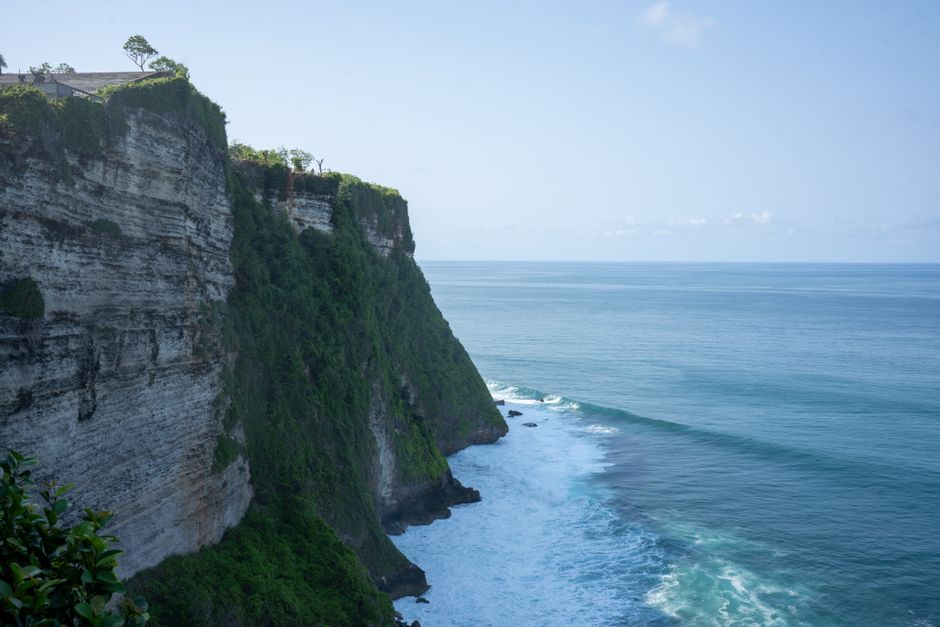
View on MapDramatic southern cliffs—world-class surf, clifftop temples, and luxury resorts. Kecak dance at sunset.
View on MapBalinese cuisine differs from other Indonesian food—the Hindu culture allows pork (forbidden elsewhere). The ceremonial dishes (babi guling roast pig, bebek betutu smoked duck) originated as temple offerings. Daily food is rice-based with sambal (chili paste), vegetables, and protein. The warung (small restaurant) serves cheap, filling meals. International food is everywhere in tourist areas.
🔒 Transportation - Available in paid tiers
Everything you need for Bali - tours, transfers, SIM cards & more

Explore Bali with guided tours and unique experiences. From day trips to multi-day adventures.

Skip-the-line tickets to top attractions in Bali. Book ahead and walk right in.

Airport transfers, SIM cards, rail passes - everything you need for smooth travels.
Find the best hotels, hostels, and apartments
Best price across Booking, Expedia, VRBO & more • Powered by Stay22
Health: 🔒 Health - Available in paid tiers
Safety: 🔒 Safety - Available in paid tiers
🔒 Internet - Available in paid tiers
🔒 Money - Available in paid tiers