🇬🇷 Welcome to Athens
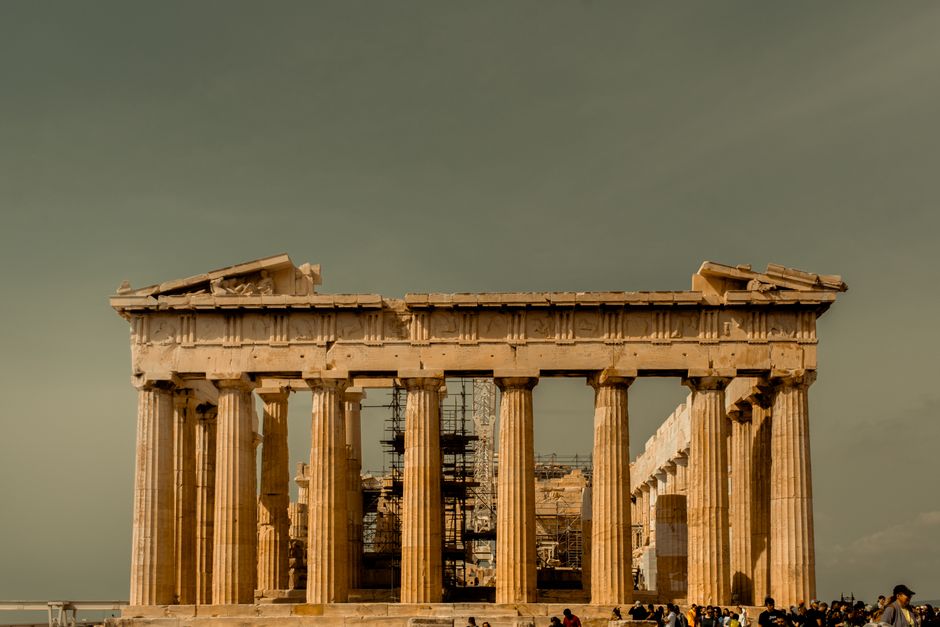
Athens hits you like a thunderbolt. One moment you're walking past a street vendor grilling souvlaki, the next the Parthenon rises before you, gleaming marble against the Mediterranean sky. This is the birthplace of Western civilization, democracy, philosophy, and theater—yet modern Athens refuses to be a museum. Instead, it's a thriving, chaotic, utterly alive metropolis where ancient temples coexist with street art, where family tavernas have served the same recipes for 50 years, and where locals gather in neighborhoods that tourists haven't yet discovered. The city sprawls across dusty hills with dramatic energy—honking scooters, animated conversations in rapid-fire Greek, the smell of oregano and grilled meat everywhere. Athens demands patience. It's not immediately pretty like Venice or Prague, but it rewards the curious with profound moments: sunrise at the Acropolis when light hits ancient marble, late-night ouzo conversations with locals who adopt you into their group, discovering tiny squares hidden between apartment buildings. After two days here, you'll understand why the ancient Greeks believed gods walked these streets.
Understanding Athens
To understand Athens, understand its contradictions. It's simultaneously ancient and modern, chaotic and philosophical, touristy and fiercely local. Athenians are proud—they survived Ottoman occupation, civil war, economic collapse, and emerged each time with defiant humor intact. They don't just tolerate tourism; they observe it with bemused detachment, going about their lives while millions visit their ancient stones. The siesta (afternoon rest) is sacred; shops close 2-5pm. Dinner happens late, 9-10pm is normal. Greeks are warm but direct—they'll tell you exactly what they think. The concept of 'mañana' is Greek ('avrio' means 'tomorrow' and is used liberally). Respect this rhythm rather than fight it. Learn a few Greek phrases—'kalispéra' (good evening), 'efharistó' (thank you), 'ne' (yes), 'óhi' (no). Locals notice and appreciate the effort. The Acropolis represents spiritual and civic pride; approach it respectfully. Most importantly, don't rush Athens. Sit in squares, drink coffee slowly, talk to strangers. The real city emerges in the margins.
⚡ Essential Athens Tips
• The Acropolis closes at sunset—plan your visit strategically. Early morning (8am opening) or late afternoon (golden light) are best. Avoid midday crowds and heat.
• Learn key Greek phrases: locals appreciate effort far more than perfect pronunciation. 'Kalispéra' (good evening), 'efharistó' (thank you), 'to logariásmó' (the bill) will serve you well.
• The siesta is real—many shops close 2-5pm. Plan museum visits or shopping for mornings or after 5pm. Dinner doesn't start until 9pm; showing up at 8pm to a taverna means eating alone.
🔍 Search Athens
🗺 Interactive Athens Map
🧭 Quick Navigation
🗺️ Athens Neighborhoods
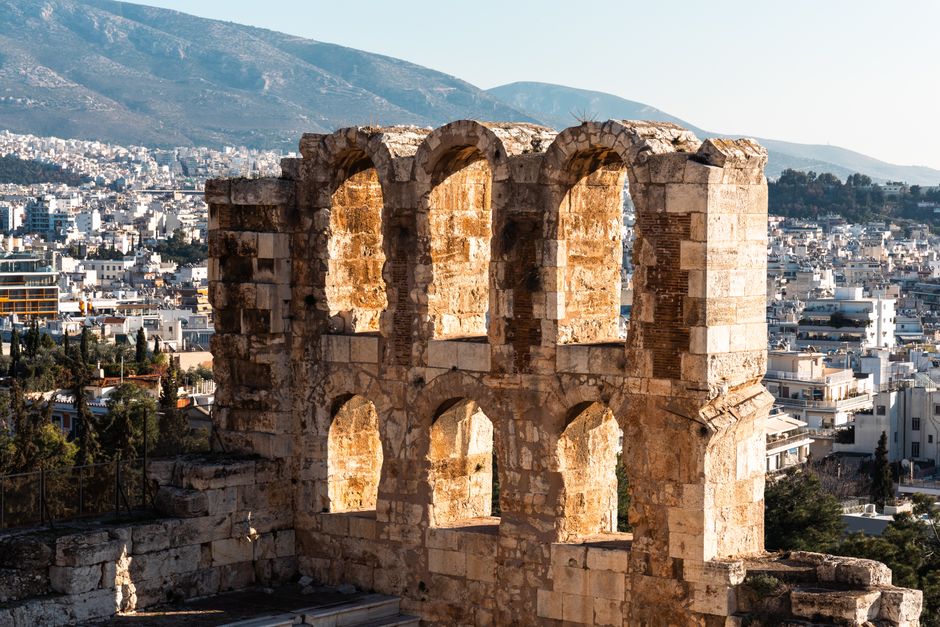
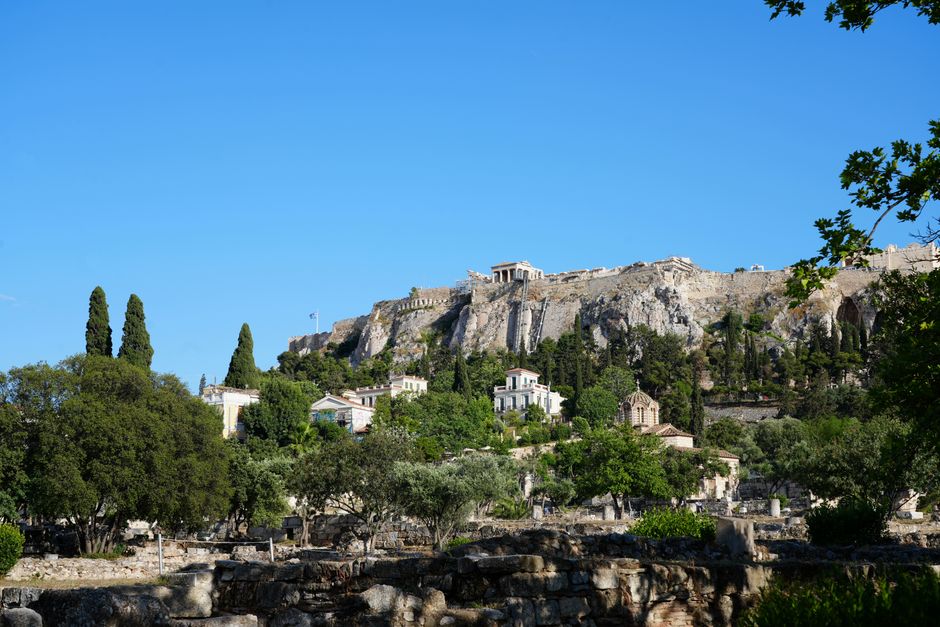
Athens sprawls across Attica Plain, but the essential city compresses into walkable neighborhoods on the south bank of the Acropolis. Plaka is where tourists congregate around ancient stones; Psyrri and Gazi are where locals actually eat and drink; Kolonaki is where the wealthy live and shop; Exarchia is bohemian and political; Acropolis area offers dramatic views. Each neighborhood has distinct personality—choosing where to base yourself shapes your entire experience.

Best For: First-timers, Acropolis proximity, evening strolls
Best For: Nightlife, street food, local scene, artists
🏛️ Plaka
🚇 Metro: Acropolis or Monastiraki (both adjacent). Connected to everything via Syntagma central hub.
Plaka's Timeless Streets
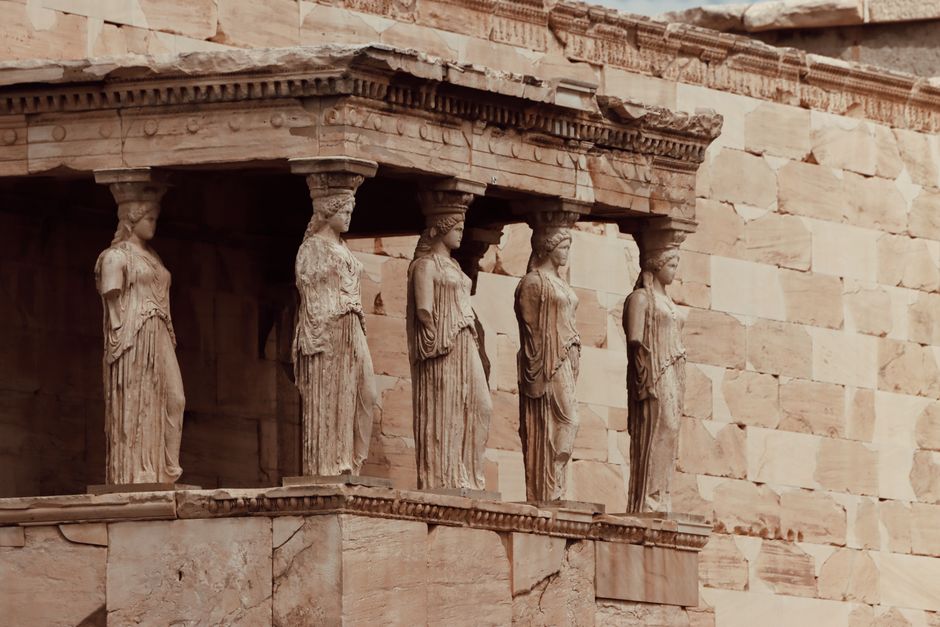
Plaka is where modern tourism meets ancient Athens. These narrow, winding streets follow paths laid down 2,500 years ago. The Acropolis dominates from above, a constant reminder that you're walking where Socrates debated philosophy, where Aristophanes' comedies premiered, where democracy was born.
Today Plaka exists in permanent tension between preservation and tourism. Yes, it's crowded—especially evenings when tour groups flood the streets. Yet locals still live here, and if you venture into side alleys at siesta time, you'll find quiet squares where grandmothers hang laundry.
Plaka rewards early morning exploration. Arrive by 8am, before crowds, and climb to viewpoints above the neighborhood. The light is perfect, the streets are yours, and the Acropolis glows.
🏛️ Ancient Sites & Attractions


🍽️ Traditional Tavernas & Dining


🎨 Psyrri
🚇 Metro: Monastiraki (Line 1 & 3). Walk north from the station.
Psyrri's Bohemian Revival
Psyrri was Athens' forgotten neighborhood until artists discovered cheap rents. Today it's the city's most vibrant area: street art everywhere, hole-in-the-wall bars, traditional tavernas next to experimental restaurants.
Unlike touristy Plaka, Psyrri is where Athenians spend evenings. The neighborhood comes alive after 9pm with animated 'kefi' (joyful spirit).
Psyrri is gritty. Graffiti everywhere. That authenticity is exactly the point.
🍽️ Tavernas & Restaurants


🍺 Bars & Nightlife

🚇 Getting Around
🔒 Getting Around - Available in paid tiers
🏨 Where to Stay
🔒 Where to Stay - Available in paid tiers
🍜 Food Guide
🔒 Food Guide - Available in paid tiers
Must-Try Dishes
💡 Dining Tips
🎯 Book Activities in Athens
Tours, attractions, experiences & more
Powered by Klook • Best price guaranteed
🏨 Book Your Stay in Athens
Find the best hotels, hostels, and apartments
Best price across Booking, Expedia, VRBO & more • Powered by Stay22
📋 Practical Information
🔒 Practical Info - Available in paid tiers🌞 Sunny Travel Guides
The Confidence To Travel / Never Be Lost
© 2026 Sunny Travel Guides. All rights reserved.